Search This Blog

Showing posts with label Medication. Show all posts

Thursday, December 8, 2022

"Lower Your High Cholesterol"


What Is High Cholesterol?

There are two major forms of cholesterol: Low-density lipoprotein or LDL, also known as "bad" cholesterol, and high-density lipoprotein or HDL, also called "good" cholesterol. LDL is the main source of artery-clogging plaque. HDL, on the other hand, clears cholesterol from your blood. Besides LDL and HDL, there’s another kind of fat in your blood called triglycerides. Research shows that high levels of triglycerides, just like high levels of LDL, are linked to heart disease. Your body needs cholesterol to build new cells, insulate nerves, and make hormones. Having too much, though, is a major risk for heart disease. Ordinarily, your liver makes all the cholesterol your body needs. But you also get elevated cholesterol from food. You'll find these in many processed foods like doughnuts, frozen pizza, cookies, and crackers. You can also get it from milk, eggs, meat, and other animal products. Over time, without your even being aware, this extra cholesterol collects inside your body and begins to do damage.

Symptoms of High Cholesterol

High cholesterol doesn’t have symptoms. So, you can be unaware that your levels are getting too high. That’s why it’s important to find out what your cholesterol numbers are. If they're too high, lowering them will lessen your risk for getting heart disease. And if you already have heart disease, lowering cholesterol can reduce your odds of a heart attack or of dying from heart disease.

High Cholesterol Diagnosis

If you’re older than 20, your doctor should measure your cholesterol levels at least once every 5 years. All that’s needed for this is a simple blood test called a lipid profile. The test will show you your:

  • Total cholesterol level
  • LDL level
  • HDL level
  • Triglycerides level

Children between ages 9 and 11 should be checked once for high cholesterol, too. Kids should have their cholesterol checked earlier -- after age 2 but by age 10 -- if they have any of these risk factors: 

  • A mother or grandmother who had a stroke, heart attack, or blocked arteries before age 65 
  • A father or grandfather who had a stroke, heart attack, or blocked arteries before age 55 
  • Any parent or grandparent who has or had a total cholesterol level over 240
  • Unknown family health history because of adoption
  • High blood pressure, diabetes, obesity, and any other conditions linked to heart disease.

Children should have a total cholesterol level below 170 and an LDL below 110. High cholesterol in kids is defined as a total cholesterol level of about 200. 

Your numbers will help you and your doctor know not only your risk for heart disease but also the best options for lowering it. For instance, an LDL level of 190 or above in adults is considered very high. The doctor will likely talk to you about taking medicine to lower it. And if your HDL level is 60 or above, your risk of heart disease goes down. The goal is a lower LDL and a higher HDL to prevent and manage heart disease. But cholesterol numbers are only one part of a larger equation. The doctor will also look at your age, blood pressure, smoking history, and use of blood pressure medicines. All of these things plus whether you already have heart disease will give a picture of your chance of a major heart problem over the next 10 years. You and your doctor will use that information to create a plan to lower your risk. This could involve lowering your cholesterol level with diet and medicine.

High Cholesterol Causes, Influences and Risk Factors

Lots of things can raise -- or lower -- your cholesterol levels. They include:

Saturated fats and simple carbohydrates. Reducing the amount of saturated fat, simple carbohydrates, and cholesterol in your diet can help lower your blood cholesterol.

Trans fats. Avoid artificial trans fats, which can raise your cholesterol. Check labels on baked goods, snack foods, frozen pizza, margarine, coffee creamer, vegetable shortenings, and refrigerated dough (such as biscuits and cinnamon rolls). Keep in mind that items that say they have "0 g trans fat" can actually have a tiny bit of trans fat in each serving, which adds up. So, check the ingredients list. "Partially hydrogenated" means it has trans fat in it.

Good fats. Unsaturated fats don't raise cholesterol levels. You can find unsaturated fats in foods like nuts, fish, vegetable oil, olive oil, canola and sunflower oils, and avocados. Limit saturated fats, which you find in animal products, and don't eat processed meats.

Sugar. Eating and drinking too much sugar raises your triglyceride levels. High levels of triglycerides make heart disease more likely. Check food and drink labels to see how much sugar has been added, apart from sugars that are naturally part of a food. The average woman should get no more than 5 teaspoons (or 80 calories) per day from added sugars, and men shouldn't get more than 9 teaspoons per day (or 144) calories, according to the American Heart Association.

Fiber. Fiber helps lower your cholesterol level. You get it from plant foods, like whole grains, beans, peas, and many fruits and vegetables.

Weight. Being overweight is a risk factor for heart disease. It also can increase your cholesterol. Losing weight will help lower your LDL, total cholesterol levels, and triglyceride levels. At the same time, it can help you raise your HDL. The best way to do this is to make changes you can live with long-term, instead of going on a crash diet.

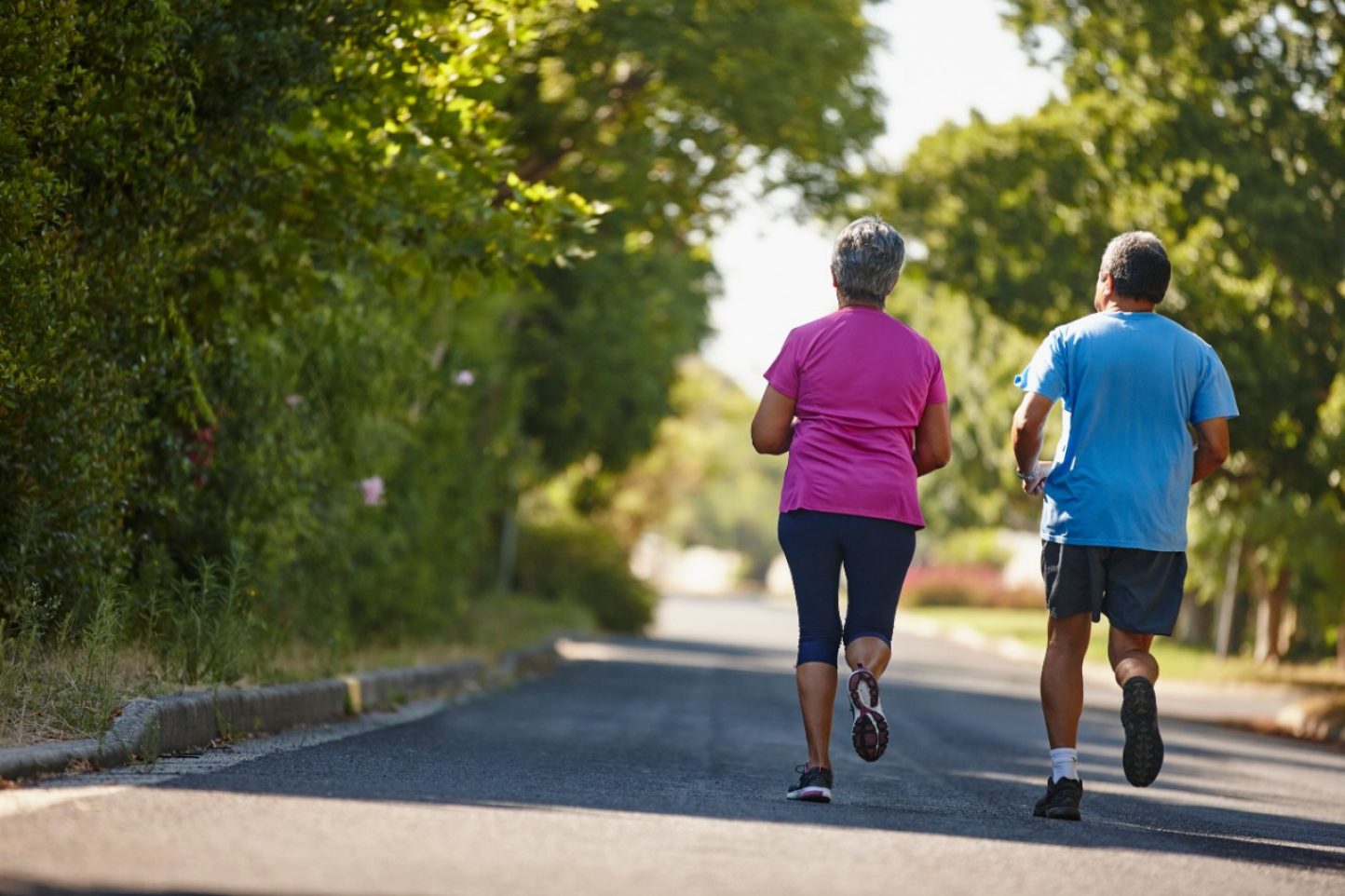
Exercise. Regular exercise can lower LDL cholesterol and raise HDL cholesterol. It's also good for your blood pressure and strengthens your heart. Aim to get 2 hours and 30 minutes of moderate aerobic activity per week (like brisk walking), or 1 hour and 15 minutes of harder exercise (such as jogging) per week.

Age and gender. As you get older, your cholesterol rises. Before menopause, women tend to have lower total cholesterol than men. After menopause, though, women's LDL levels tend to rise.

Heredity. High blood cholesterol can run in families.

Medical conditions. Sometimes, a medical condition may cause higher cholesterol levels. Examples include hypothyroidism (an underactive thyroid gland), liver disease, and kidney disease.

Medications. Some drugs, such as steroids and progestins, can increase the "bad" cholesterol and decrease the "good" cholesterol.

Smoking. Tobacco smoke can raise levels of blood fats (triglycerides) and make your “good” HDL cholesterol go down.

The TLC Program to Lower High Cholesterol

The National Heart, Lung, and Blood Institute created the TLC Program, short for Therapeutic Lifestyle Changes, for people who want to control their cholesterol. Even if you take medications to lower your cholesterol, you may want to consider the possible benefits of this program. It has three parts: diet, exercise, and weight control. The goal: Reduce your risk of heart disease. This is not a fad diet. It’s considered a “balanced” plan, and the idea is to change your habits for the long run.

This plan focuses on foods that are low in natural cholesterol and saturated fats but high in the “good fats.” One class of these good fats is monounsaturated fats. You also get a lot of fiber in this diet.

When you follow the program, you shoot for 2 key numbers every day:

  1. Less than 7% of your calories from saturated fat
  2. Fewer than 200 milligrams of dietary cholesterol

You do this to lower your LDL level. You can always talk to your doctor or dietician in more detail about how to measure how much fat and dietary cholesterol you’re taking in.

The first step is to manage dietary fats

When you follow the TLC Program, all the fat you eat in one day should not go over 35% of total calories. Try to avoid saturated fats. They can be found in things like:

  • Butter
  • Egg yolks
  • Fatty cuts of meat
  • Lard
  • Whole milk dairy products

Trans fats can also raise cholesterol. Avoid them when you can. They are found in products such as:

  • Fried foods
  • Shortening
  • Stick margarine
  • Sweets

Foods made with hydrogenated oil or partially hydrogenated oil should also be limited. When you’re grocery shopping, be sure you’re reading labels.

Good fats

Up to 20% of your calories can come from monounsaturated fats. They can help lower your LDL levels. Plus, these fats don’t lower your good, or HDL, cholesterol levels.

Some sources include:

  • Avocados
  • Olive, canola, and almond oils
  • Peanut butter

About 10% of your calories can come from polyunsaturated fats. Use these in moderation. While they lower LDL levels, which you want to happen, they can also lower HDL levels, which is what you don’t want. Some choices:

  • Fatty fish such as salmon, mackerel, herring, and trout
  • Pumpkin and sunflower seeds
  • Soybean, safflower, sunflower, cottonseed, and corn oils

Dietary cholesterol

Your body makes cholesterol, but you also get it from food. Animal products such as red meat, shellfish, and egg yolks, for example, all contain cholesterol. With the TLC Program, you must keep your intake of dietary cholesterol to less than 200 milligrams a day. Choose lean meat and reduced-fat dairy products as often as you can.

Protein

It’s important for growth and helps your body repair cells. Protein-rich foods should make up about 20% of your daily total calories. But here’s the catch. Many protein sources are also high in cholesterol and saturated fat.

You have options beyond lean meats and reduced-fat dairy. They include:

  • Beans
  • Lentils
  • Seeds
  • Soy products

The right carbs

Carbohydrates are an important part of good nutrition, but you need to choose the right kind. The program calls for about 50% to 60% of your calories to come from them. Aim for carbs that are complex, meaning they are not heavily processed and are high in fiber. That’s important, because the TLC diet calls for about 20 to 30 grams of fiber a day.

Some great choices:

  • Beans
  • Fruit
  • Lentils
  • Quinoa
  • Vegetables
  • Whole grain and whole wheat sources

That’s a whole lot of information about food to take in, but there are two more pillars to the program.

Exercise

Physical activity is also part of the plan. You should try to get at least 30 minutes of moderate exercise most, if not all, days of the week.

Brisk walking is a great place for many people to start. Some other suggestions:

  • Bicycling
  • Bowling
  • Dancing
  • Gardening

Of course, you should talk with your doctor before you start an exercise plan.

Weight

The third part of the TLC Program is about shedding unwanted pounds. Besides the cholesterol, extra fat can increase your chances for high blood pressure, diabetes, heart disease, and other issues. If you’ve improved your diet and exercise but are still struggling with weight, the program suggests checking with your doctor.

It also offers ideas to help with your goal of weight loss:

  • Slow down while you eat; it takes the brain a while to get the message you’re full
  • Eat more fruits and vegetables; they make you feel full
  • Serve your food on smaller plates
  • Eat three meals a day; don’t skip any

TLC Program how-tos

The TLC Program works best when you work directly with your doctor or dietician, who can also guide you to become more active, manage your weight, and reach your cholesterol goals. With this program, you start out meeting with your doctor every 6 weeks to track how well lifestyle changes are working for you. Your doctor can also help you control other things that make heart disease more likely, including quitting smoking and controlling high blood pressure, for example. For some people, lifestyle changes alone may not be enough. You may need medication, too. But with lifestyle changes such as the TLC Program, you may be able to take lower doses.

Medications to Lower High Cholesterol

The goal of cholesterol treatment is to help you prevent a heart attack or stroke. So, the drugs your doctor prescribes also depend on your chances for heart disease.

The higher your risk, the more important it is to get your levels down. Your doctor will look at all of your risk factors and decide which medications will help you the most.

Cholesterol-lowering drugs include:

  • Statins
  • Niacin
  • Bile-acid sequestrants
  • Fibrates
  • Cholesterol absorption inhibitors
  • PCSK9 inhibitors

Cholesterol-lowering drugs work best when combined with a low-cholesterol diet and an exercise program.

Statins

Statins block the production of cholesterol in the liver. They lower LDL and triglycerides and can slightly raise HDL. These drugs are the first treatment for most people with high cholesterol. If you already have heart disease, statins reduce the chances of heart attacks. Side effects can include diabetes, liver damage, and, in a few people, muscle tenderness or weakness. If your doctor prescribes statins, you should ask them the percentage by which you should lower your cholesterol. Generally, it will be between 30% and 50%. Commonly used statins include:

Niacin

Niacin is a B vitamin. It's found in food, but you can get high doses by prescription. It lowers LDL cholesterol and raises HDL cholesterol. The main side effects are flushing, itching, tingling, and headache. Aspirin can reduce many of these symptoms. Speak with your doctor first, though, before taking aspirin. Research suggests that even though niacin may improve your cholesterol numbers, it doesn’t appear to lower your risk of heart disease, especially if you’re already taking a statin.

Bile acid sequestrants

These drugs work inside the intestine, where they bind to bile and prevent your circulatory system from reabsorbing it. Bile is made largely from cholesterol, so these drugs work by reducing the body's supply of cholesterol. That then lowers both total and LDL cholesterol. The most common side effects are constipation, gas, and upset stomach. Commonly used bile acid sequestrants include:

Fibrates

Fibrates lower triglyceride levels and can increase HDL and lower LDL. Scientists think fibrates help your body break down triglyceride-rich particles and stop it from putting out certain blood fats. Commonly used fibrates include:

Cholesterol absorption inhibitors

Ezetimibe (Zetia) lowers LDL by inhibiting the absorption of cholesterol in the intestines. Vytorin is a drug that combines ezetimibe and a statin. It can decrease total and LDL cholesterol and raise HDL levels.

PCSK9 inhibitors

You get this newer type of cholesterol-lowering drug as a shot. Doctors use it to treat people with a genetic form of high cholesterol called familial hypercholesterolemia.

Combination drugs

Some people with high cholesterol get the best results with combination drugs. These are pills that contain more than one medication. Commonly used combination drugs include:

Multiple medications

Sometimes, one cholesterol medicine just won’t cut it. Even if you live a healthy lifestyle and take your pills the way you should, you may need extra help getting your levels to a healthier range. But that doesn’t mean you have to live with high cholesterol. Help can come in the form of a second or even a third medication. Your doctor might recommend adding a medication if:

  • Your statin hasn’t helped. Statins are a mainstay of cholesterol treatment. But they don’t work well enough for everyone who takes them. If that’s the case for you, your doctor might recommend that you add another medicine to your treatment.
  • You have side effects from statins. These drugs can cause muscle pain, liver damage, and other problems that make it hard for some people to take them. Doctors can prescribe a lower dose to ease side effects, but that means adding another medication to bring down cholesterol.
  • You have a genetic form of high cholesterol. Familial hypercholesterolemia (FH) is a condition that causes very high levels of cholesterol -- so high that one drug and lifestyle changes won’t do enough. People with FH usually take a statin and one or two other drugs.
  • You can’t take a statin. The pills aren’t safe for people with liver disease or women who are pregnant or breastfeeding. Doctors will rely on other types of drugs to lower cholesterol.
  • You have high triglycerides. Some drugs do a better job of bringing down these blood fats than others. Your doctor might add another drug that targets them.

Side Effects of Cholesterol-Lowering Drugs

The side effect you need to be most concerned about is muscle aches. They could be a sign of a life-threatening condition. If you have muscle aches, call your doctor immediately.

Other side effects of cholesterol-lowering drugs include:

  • Abnormal liver function
  • Allergic reaction (skin rashes)
  • Heartburn
  • Dizziness
  • Abdominal pain
  • Constipation
  • Decreased sexual desire
  • Memory loss

Foods or Other Drugs to Avoid

Ask your doctor about the other drugs you’re taking, including herbals and vitamins, and their impact on cholesterol-lowering medications. You shouldn’t drink grapefruit juice while taking cholesterol-lowering drugs. It can make it harder for your liver to process these medications.

Complications of High Cholesterol

When you have too much cholesterol, it builds up in the walls of your arteries, causing them harden -- a process called atherosclerosis. It also narrows your arteries, which slows and even blocks the flow of blood. That’s where the problem starts. Your blood is supposed to carry oxygen to all parts of your body, including your heart muscle. Without enough oxygen, your body’s parts won’t work the way they’re supposed to. 

Complications of high cholesterol include: 

  • High blood pressure. If clogged arteries make it hard for blood to move to and from your heart, the heart has to pump harder, and your blood pressure will go up. 
  • Chest pain. If your heart muscle doesn’t get enough blood and oxygen, you'll have chest pain. 
  • Heart attack or stroke. If a piece of plaque breaks off or forms a clot, it can cut off the blood supply to a portion of your heart, causing a heart attack or stroke. If you have heart disease risk factors (like smoking, diabetes, or high blood pressure), you’re especially at risk of this complication.
  • Peripheral artery disease (PAD). A cholesterol buildup can block blood flow to the arteries in your legs and feet. PAD may also affect arteries in your kidneys.
MEDICALLY REVIEWED BY: James Beckerman, MD, FACC on August 20, 2022, WebMD


SOURCES:

National Guideline Clearinghouse.

PDR Health.

PubMed.com.

FDA: news release, “High Cholesterol-Medicines To Help You,” “Controlling Cholesterol with Statins,”  "Questions and Answers Regarding Trans Fat."

American Heart Association: “Control Your Cholesterol,” “Drug Therapy for Cholesterol,” “Good vs. Bad Cholesterol,” "Whole Grains and Fiber."

Stanford Children’s Health: “Children and Cholesterol.”

American Academy of Pediatrics: “Cholesterol Levels in Children and Adolescents.”

Cleveland Clinic: “Cholesterol: High Cholesterol Diseases,” “Cholesterol and Nutrition – TLC.”

CDC: “Smoking and Heart Disease,” “Cholesterol-lowering medication,” "Healthy Weight -- it's not a diet, it's a lifestyle!" "Know the Facts About High Cholesterol," "How much physical activity do I need?"

American College of Cardiology: “Guideline for Treating Blood Cholesterol to Reduce Cardiovascular Risk."

Jacobson, T. Journal of Clinical Lipidology, September-October 2014.

Stone, N. Journal of the American College of Cardiology, July 2014.

Paul D. Thompson, MD, chief of cardiology, Hartford Hospital, Hartford, CT.

University of Rochester Medical Center: “All About Cholesterol-Lowering Drugs.”

Harvard Medical School: “Help for Your Cholesterol When the Statins Won’t Do.”

U.S. National Library of Medicine: “Omega-3 Fatty Acids.”

U.S. Department of Health and Human Services, National Institutes of Health, National Heart, Lung, and Blood Institute, “Your Guide to Lowering Your Cholesterol With TLC,” Press Release, “What is Cholesterol?”

Mayo Clinic, “Weight loss: What are the options?”

American College of Cardiology, “High Cholesterol: The TLC Diet.”

eMedicineHealth: "Take Steps to Reduce Cholesterol."

Johnson, R. Circulation, Sept. 15, 2009.

Much Love, Dr.Shermaine, #InformativeRead #PleaseShare #HealthyBodySoulAndSpirit #IWantYou2LiveWell #FeelFree2SignUpAndFollow

The Goal is to Always Make You Aware of What Concerns Your Body, Soul and Spirit, So You Can Have Open, Honest and Frequent Discussions With Your Physicians and Counselors. You Can’t Treat or Cure What You Don’t Know is Sick.
 
"It's Not Selfish to Love Yourself, Take Care of Yourself and to Make Your Happiness a Priority. It's a Necessity." (Mandy Hale)

"Self-Care is Not Selfish. You Cannot Serve From an Empty Vessel." (Eleanor Brown)

The contents of the WebMD and Self-Care With Dr. Shermaine Sites, such as text, graphics, images, and other material contained on the WebMD and Self-Care With Dr. Shermaine Sites ("Content") are for informational purposes only. The Content is not intended to be a substitute for professional medical advice, diagnosis, or treatment. Always seek the advice of your physician or other qualified health provider with any questions you may have regarding a medical condition. Never disregard professional medical advice or delay in seeking it because of something you have read on the WebMD and Self-Care With Dr. Shermaine Sites!

If you think you may have a medical emergency, call your doctor or 911 immediately. WebMD and Self-Care With Dr. Shermaine does not recommend or endorse any specific tests, physicians, products, procedures, opinions, or other information that may be mentioned on the Sites. Reliance on any information provided by WebMD, WebMD employees, others appearing on the Site at the invitation of WebMD, and Self-Care With Dr. Shermaine or other visitors to the Sites is solely at your own risk. 


Wednesday, October 19, 2022

"What You Can Do to Prevent Cancer and Why It Works?"


DITCH THE SMOKES: Every puff of tobacco is packed with 250 harmful chemicals. Nearly 70 of them cause cancer. And it's more than just lung cancer. Cigarettes are linked to 12 other kinds, including stomach, bladder, kidney, mouth, and throat. The sooner you stop, the better. Ask your doctor for advice on quit-smoking methods.

EAT MORE BROCCOLI: Fruits and veggies pack an anti-cancer punch because they're high in nutrients and fiber, and low in fat. Try broccoli, Brussels sprouts, cabbage, kale, watercress, or other cruciferous vegetables. They protect against DNA damage that can turn cells cancerous. Or eat colorful berries. Studies show they have cancer-fighting chemicals that ward off damage to cells.

TRIM A FEW POUNDS: Extra weight around your middle could add up to a greater chance of having cancer, especially of the breast, colon, uterus, pancreas, esophagus, and gallbladder. Researchers say one reason may be that fat cells release substances that encourage cancer cells to grow.

GO EASY ON ALCOHOL: Tip back too many martinis each day, and your odds of cancer go up. Alcohol is linked to cancers of the mouth, breast, liver, esophagus, and others. The more you drink, the higher your risk. If you drink, do it in moderation. Women should stick to one drink a day, men up to two.

CUT BACK ON HOT DOGS: Think twice before you throw some on the grill. Studies show that processed meats, like hot dogs, bacon, and sausage, have chemicals called nitrites and nitrates that may be linked to cancer. And research suggests too much red meat like steak and burgers could be a long-term risk for colorectal cancer. Choose safer alternatives for your backyard cookout, like chicken breast or fish.

GET OFF THE COUCH: Do you spend too much time lounging around? Cancer prevention is one more reason to get moving. Exercise fights obesity and lowers levels of hormones like estrogen and insulin, which have been linked to cancer. Aim for 30 minutes of aerobic exercise -- the kind that gets your heart pumping -- on most days of the week.

PUT ON SUNSCREEN: Baking in the sun might give you a healthy-looking glow, but under the surface, UV rays cause skin damage that could lead to cancer. Because you can burn in just 15 minutes, rub on sunscreen before you go outside. Pick a broad-spectrum product with an SPF of 30 or higher. Reapply whenever you sweat or swim. And when you're out in the sun, wear a wide-brimmed hat and wraparound sunglasses.

PRACTICE SAFER SEX: Sexually transmitted diseases (STDs) aren't your only worry during unprotected sex. Some of these infections also increase your odds of having cancer. About 70% of cervical cancers start with human papillomavirus (HPV) types 16 and 18. Some types of hepatitis can cause liver cancer. To stay safe, use a latex condom every time you have sex.

GET VACCINATED: When it comes to vaccines, think beyond your annual flu shot. Some can protect against cancer, too. Certain HPV vaccines prevent cancers of the cervix, vulva, vagina, and anus. The time to get vaccinated is between ages 9 and 26. The hepatitis B vaccine wards off the virus that causes liver cancer. It's part of the childhood vaccination schedule.

AVOID TOXIC CHEMICALS: Chemicals called carcinogens damage DNA in your cells and raise your chance of having cancer if you touch, eat, or breathe them in. Asbestos, radon, and benzene are a few that some people come into contact with at work or home. Chemicals in weedkillers, plastics, and some home products may also be risky. You can't avoid every chemical, but know which ones are in products you use and switch to safer options if you can.

KNOW YOUR FAMILY HISTORY: You inherited more than your mother's eyes or your father's grin. They may also have shared their chances for having diseases like cancer. Some genes that parents pass down to their kids have flaws. They don't repair damaged DNA the way they should, which lets cells turn into cancer. Learn about your family's medical history and ask your doctor if a genetic test is a good idea for you.

STAY UP TO DATE WITH SCREENINGS: Screening tests catch cancer early -- sometimes even before it starts. A colonoscopy often finds polyps in the colon and rectum before they turn into cancer. The Pap test locates pre-cancerous and cancerous cells in a woman's cervix. Mammograms and low-dose computed tomography (LDCT) look for early breast and lung cancers. Ask your doctor when to start getting these tests, and how often you need them.

TAKE MEDS IF YOU NEED THEM: Some drugs lower your odds of getting certain cancers. Tamoxifen (Nolvadex, Soltamox) and raloxifene (Evista) can reduce breast cancer risk but may have serious side effects. Aspirin may protect against colorectal and prostate cancers. Be wary, though, of supplements that promise to keep you cancer-free. Many haven't been proven, and some have side effects.

BE CAUTIOUS ABOUT HORMONE THERAPY: It can ease menopause symptoms like hot flashes and fatigue, and protect your bones. But hormone therapy may raise your chances of breast cancer and make cancer harder to detect. Ask your doctor about your risks before you try this treatment.

MEDICALLY REVIEWED BY: Carol DerSarkissian, MD, WebMD, on February 10, 2021

SOURCES:

Pharmaceutical Research: "Cancer is a preventable disease that requires major lifestyle changes."

National Cancer Institute: "Harms of Cigarette Smoking and Health Benefits of Quitting," "Alcohol and Cancer Risk," "Obesity and Cancer Risk," "HPV and Cancer," "Cancer Vaccines."

Johns Hopkins Medicine: "Former Smokers: What's Your Risk for Lung Cancer?"

The New England Journal of Medicine"21st-Century Hazards of Smoking and Benefits of Cessation in the United States."

American Cancer Society: "Cruciferous Vegetables and Cancer Prevention," "Does body weight affect cancer risk?" "World Health Organization Says Processed Meat Causes Cancer," "Alcohol and Cancer," "Medicines to Reduce Breast Cancer Risk."

The American Institute for Cancer Research: "Berries Seem to Burst With Cancer Protection."

Harvard T.H. Chan School of Public Health: "WHO repport says eating processed meat is carcinogenic: Understanding the Findings."

Fred Hutchinson Cancer Center: "Trim Your Cancer Risk With Exercise."

Skin Cancer Foundation: "Sunscreen."

National Institute of Child Health and Human Development: "Can a sexually transmitted disease or sexually transmitted infection (STD/STI) lead to cancer?"

CDC: "Chemicals, Cancer, and You," "What Should I Know About Screening?" "Cancer Screening Tests."

National Health Service: "Everyday chemicals may contribute to cancer," "Can vitamin and mineral supplements prevent cancer?"

Cancer Research UK: "Family history and inherited cancer genes."

MD Anderson Cancer Center: "Can a daily aspirin lower your cancer risk?"

Mayo Clinic: "Hormone therapy: Is it right for you?"

Much Love, Dr.Shermaine, #InformativeRead #PleaseShare #HealthyBodySoulAndSpirit #IWantYou2LiveWell #FeelFree2SignUpAndFollow

The Goal is to Always Make You Aware of What Concerns Your Body, Soul and Spirit, So You Can Have Open, Honest and Frequent Discussions With Your Physicians and Counselors. You Can’t Treat or Cure What You Don’t Know is Sick.
 
"It's Not Selfish to Love Yourself, Take Care of Yourself and to Make Your Happiness a Priority. It's a Necessity." (Mandy Hale)

"Self-Care is Not Selfish. You Cannot Serve From an Empty Vessel." (Eleanor Brown)

The contents of the WebMD and Self-Care With Dr. Shermaine Sites, such as text, graphics, images, and other material contained on the WebMD and Self-Care With Dr. Shermaine Sites ("Content") are for informational purposes only. The Content is not intended to be a substitute for professional medical advice, diagnosis, or treatment. Always seek the advice of your physician or other qualified health provider with any questions you may have regarding a medical condition. Never disregard professional medical advice or delay in seeking it because of something you have read on the WebMD and Self-Care With Dr. Shermaine Sites!

If you think you may have a medical emergency, call your doctor or 911 immediately. WebMD and Self-Care With Dr. Shermaine does not recommend or endorse any specific tests, physicians, products, procedures, opinions, or other information that may be mentioned on the Sites. Reliance on any information provided by WebMD, WebMD employees, others appearing on the Site at the invitation of WebMD, and Self-Care With Dr. Shermaine or other visitors to the Sites is solely at your own risk.  

Thursday, August 25, 2022

"Get Started With Exercise to Lower Blood Pressure"


EXERCISE AND HIGH BLOOD PRESSURE: Exercise is one of the keys to lower your blood pressure. Working out also boosts the effectiveness of blood pressure medication if you're already being treated for hypertension. You don't have to be an athlete, either.

PUT THE FUN BACK IN EXERCISE: Find activities you enjoy and aim for 30 minutes a day of "exercise" on most days of the week. If you can't stand the gym, not a problem. Dancing counts. So do yoga, hiking, gardening, and anything else that gets your heart beating a bit faster. Since you're going to be making it a habit, pick things you'll want to do often. Let your doctor know what you have in mind, so they can make sure you're ready.

TRY A TRAINER: If you want a pro to help you get started, consider getting a trainer to show you what to do. They can help you do each move right and get the best results.

GET STRONGER: Strength training should be part of your routine. You can use weights, weight machines, exercise bands, or your own body weight by doing abdominal crunches or curl-ups. You'll lose body fat, boost muscle mass, and raise your metabolic rate. Losing as little as 10 pounds can lower or help prevent high blood pressure if you're overweight.

DIVE IN AND SWIM: Doing aerobic exercise ("cardio") is good for your blood pressure. Swimming is a gentle way to do it. Go for 30 minutes or work up to that amount if that's too much right now.

HOW MUCH EXERCISE IS ENOUGH? Do something that's moderate in intensity -- like brisk walking -- for at least 30 minutes a day, 5 or more days a week. That may be enough to keep you off medications or help them work better. Exercise can lower your blood pressure by as much as five to 15 points. Gradually make your workouts more intense to keep lowering your blood pressure to safer levels.

GETTING STARTED: Start slowly to prevent injuries. Start with 10 to 15 minutes of exercise you enjoy, such as walking around the block or on a treadmill. You can gradually make your workouts longer and more challenging.

PACE YOURSELF TO AVOID INJURY: If you're new to exercise, remember to pace yourself. Select a low- to moderate-intensity exercise such as gentle forms of yoga, gardening, or any other activity that you can do at a moderate pace. Gradually increase the intensity and duration of exercise as you become fitter, to help maintain your lowered blood pressure. 

MAKE EXERCISE CONVENIENT: Commit to making exercise part of your schedule. Find a time that works for you. You can work out while the kids are at soccer practice, before or after work, or even during your lunch break. If it's hard to get out of the house, consider getting some workout apps or DVDs, a yoga mat, and hand-held weights you can use at home.

DO MINI-WORKOUTS: Add 10-minute mini-workouts and do these throughout your busy day. For example, you can jog in place or do calisthenics for 10 minutes. Three 10-minute mini-workouts equal 30 minutes of daily exercise in little bits of time you won't miss.

SET UP A HOME GYM: Pick items that fit in with what you want to do: a step bench, jump rope, fit ball, exercise bands or tubes, and weights, for example. You can store them in a closet when you're not using them. If you have more space and a bigger budget, consider getting a treadmill or stationary bike.

WARM UP AND COOL DOWN: Warming up before exercise and cooling down after are important for people with high blood pressure. These exercises let your heart rate rise and return to normal gradually. Walking in place or on a treadmill for 10 minutes is fine for warming up before exercise and also for cooling down.

TRY A HEART RATE WATCH: A heart rate watch can let you quickly assess your pulse. Here's how to use one. Put the band that comes with it on your chest underneath your shirt. By looking at the watch during exercise, you can see your actual heart rate. This is a good alternative to taking your pulse manually. Ask your doctor to recommend the best target heart rate zone (or training zone) for you.

MEDICATION AND HEART RATE: Some heart medications such as beta-blockers or calcium channel blockers can slow your heart rate. Talk to your doctor and ask what your target heart rate zone should be during exercise if you take these medications.

KNOW THE SAFETY TIPS: No matter what exercise you do, be aware of your limitations. If the exercise or activity hurts, then stop! If you feel dizzy or have discomfort in your chest, arms, or throat, stop. Also, go slower on hot and humid days, or exercise in an air-conditioned building.

BEYOND EXERCISE: THE DASH DIET - You can lower your systolic blood pressure (the top number) by switching to the DASH diet. The DASH diet is based on 2,000 calories a day. It's rich in fruits, vegetables, and low-fat dairy products. It's also low in saturated fat, cholesterol, and total fat. According to studies, adopting a DASH diet can reduce systolic blood pressure by eight to 14 points. For healthy adults 65 and older with an average systolic 130, the goal is to get it lower. In general, the target for your blood pressure is less than 120/80. 

BEYOND EXERCISE: LOSE 10 POUNDS - If you're overweight, losing 10 pounds can help reduce or prevent high blood pressure. To lose weight, take in fewer calories than you use each day. Ask your doctor or a registered dietitian how many calories you need daily for weight loss. Exercise helps you burn even more calories.

BEYOND EXERCISE: WATCH OUT FOR SALT - National guidelines recommend not getting more than 2,300 milligrams of sodium a day (about 1 teaspoon of table salt). The limit is 1,500 milligrams a day for some people, depending on age and other things. By staying on a sodium-restricted diet, your systolic blood pressure (top number) may drop two to eight points. Salt-restricted diets can also help enhance the effects of most blood pressure medications. Tip: Substitute herbs for salt when cooking and avoid processed meats and canned foods.

MEDICALLY REVIEWED BY: Jennifer Robinson, MD on September 09, 2021

REFERENCES:

National Heart, Lung, and Blood Institute: "JNC 7 Express: The Seventh Report of the Joint National Committee on Prevention, Detection, Evaluation, and Treatment of High Blood Pressure."

UpToDate.com: "Exercise in the treatment of hypertension."

WebMD Medical Reference: "5 Lifestyle Tips to Lower High Blood Pressure," "Strategies to Prevent and Control High Blood Pressure," "Heart Disease and a Heart Healthy Diet," "The DASH Diet."

WebMD Health News: "A Little Walking Cuts Blood Pressure."

American Heart Association: “Exercise and Fitness,” “Physical Activity in Your Daily Life,” “Your Blood Pressure Questions Answered: Potassium,” “Healthy Lifestyle,” “The Benefits of Daily Physical Activity,” “Start! Walking for a Healthier Lifestyle.”

Health.gov: "Dietary Guidelines for Americans 2010."                      

Go RED for Women: “Know Your Numbers.”

Much Love, Dr.Shermaine, #InformativeRead #PleaseShare #HealthyBodySoulAndSpirit #IWantYou2LiveWell #FeelFree2SignUpAndFollow

The Goal is to Always Make You Aware of What Concerns Your Body, Soul and Spirit, So You Can Have Open, Honest and Frequent Discussions With Your Physicians and Counselors. You Can’t Treat or Cure What You Don’t Know is Sick.
 
"It's Not Selfish to Love Yourself, Take Care of Yourself and to Make Your Happiness a Priority. It's a Necessity." (Mandy Hale)

"Self-Care is Not Selfish. You Cannot Serve From an Empty Vessel." (Eleanor Brown)

The contents of the WebMD and Self-Care With Dr. Shermaine Sites, such as text, graphics, images, and other material contained on the WebMD and Self-Care With Dr. Shermaine Sites ("Content") are for informational purposes only. The Content is not intended to be a substitute for professional medical advice, diagnosis, or treatment. Always seek the advice of your physician or other qualified health provider with any questions you may have regarding a medical condition. Never disregard professional medical advice or delay in seeking it because of something you have read on the WebMD and Self-Care With Dr. Shermaine Sites!

If you think you may have a medical emergency, call your doctor or 911 immediately. WebMD and Self-Care With Dr. Shermaine does not recommend or endorse any specific tests, physicians, products, procedures, opinions, or other information that may be mentioned on the Sites. Reliance on any information provided by WebMD, WebMD employees, others appearing on the Site at the invitation of WebMD, and Self-Care With Dr. Shermaine or other visitors to the Sites is solely at your own risk.  

"13 Ways to Use Apple Cider Vinegar That Will Change Your Life!"

    Of all the well-touted natural health remedies that exist today, very few are followed quite as religiously as taking a tablespoon or tw...