Search This Blog

Showing posts with label Prevention. Show all posts

Wednesday, December 13, 2023

"How Exercise Ignited My Weight Loss to Overcome Type 2 Diabetes?"


There I was again, sitting in my car in the parking lot of a local gym. It was a struggle to get out of the car. Not because of my excess weight at the time or some physical limitation. I simply didn’t feel like stepping foot in the gym that day, just like I didn’t feel up to working out a couple of days prior. 

A half-hour or so later, I finally walked into the gym. Hearing the clanking sounds of weights and seeing a gym full of ordinary people like me working on their health goals, was just enough inspiration to get me going. I was overweight, struggling to understand how to manage life with type 2 diabetes, and didn’t know where to begin when it came to exercise.

That was June 2021, the month I decided to get back in the gym, sweat it out, and do my best to lose weight, but for real this time.

I’m proud to say that I was able to drop over 80 pounds and come off all medications in less than a year. Today, I’m enjoying a healthier lifestyle all because I decided to continue showing up, getting out of my car, and putting in the work whether it’s in the gym, hiking, or running.

NO PAIN, NO GAIN

When you’re routinely sedentary, overweight, and struggling with type 2 diabetes and a slew of other metabolic health issues, physical activity feels very uncomfortable. Exercise is not supposed to leave you in constant pain and fatigue.

Make no mistake, when I started exercising more regularly, I would often feel pain everywhere: knees, back, neck, feet, and elbows. The joint pain was unreal. Walking flights of stairs was a challenge sometimes to the point where it felt like my knees were going to buckle at any moment. I assumed that the pain was a result of my body simply not being used to daily exercise. But it turns out that there was more to my situation: inflammation.

When inflammation occurs, it often leads to pain, swelling, and stiffness in the affected areas, making movement uncomfortable and sometimes even painful. That explains why my joints, muscles, and surrounding tissues were less flexible and hindered my ability to engage in a full range of motion during exercise. 

Regardless of what I was experiencing health-wise, I made up my mind to press past the pain and discomfort of exercising. What helped was learning that there is a correlation between inflammation and diet, which can impact exercise. 

Therefore, if you suspect that inflammation may be an issue for you as well, gain more knowledge about inflammation and its effects on physical exercise to determine the best course of action. 

YOU CAN'T OUT-EXERCISE A POOR DIET

Oftentimes, when some people think of losing weight, they either focus on what they eat or on their exercise. Healthy eating and regular exercise go hand-in-hand when it comes to developing a healthy lifestyle. I’ve found that achieving the proper balance between the two approaches is very important.

Maintaining a healthy diet is great, but by itself, may not be enough for you to lose weight and keep it off, let alone overcome type 2 diabetes. 

The same is true for exercise. You can spend hours in the gym, burning calories, but then load up on junk food and eventually destroy your progress with every meal. 

Food impacts your health, period.   

I eventually gave up the foods and drinks that were making my weight loss too difficult to achieve and maintain. From fried foods to highly processed carbs, candy, and even sugary soft drinks, I made the necessary changes to get results. Developing better eating habits made it a lot easier for me to enjoy exercising. Sticking to a daily regimen of healthy eating gave me the energy to exercise.

OVERALL BENEFITS OF EXERCISING, ESPECIALLY IF YOU HAVE DIABETES

Remember, don’t neglect or minimize physical exercise. Why? Exercise:   

  • Helps lower blood sugar
  • Boosts insulin sensitivity
  • Burns fat
  • Shaves pounds
  • Boosts energy
  • Protects your heart
  • Can help improve your mood
  • Makes you look better 
  • Builds strength, conditioning, and endurance

So here are a few tips that I learned about exercise that made a difference in my life. 

TIP NO. 1: FIND YOUR EXERCISE RHYTHM

The first step to a healthier, more active lifestyle is finding your rhythm. You don't have to follow my exact routine. Instead, discover your groove by engaging in physical activities that you genuinely enjoy. The key is long-term consistency, not a short-term plan for rapid weight loss. Having fun is crucial. If you're enjoying your workouts, you're more likely to stick with them. 

TIP NO. 2: MIX IT UP

While it may seem easy to stick to one type of exercise, such as daily treadmill walks, diversifying your routine is essential. Mixing cardio, conditioning exercises, strength training, and flexibility or mobility exercises adds excitement and engages different muscle groups. Challenge yourself to move more, move better, and move consistently. Incorporating various activities keeps your workouts interesting and ensures a well-rounded fitness regimen.

I hope my weight loss journey to overcome type 2 diabetes inspires you to reach your health goals and beat diabetes as well. Your health is your most important asset. So, let's kick diabetes in the backside and move forward on the path towards better health! 

Oscar Camejo is passionate about helping people reverse and prevent type 2 diabetes through lifestyle changes. His own health journey has been truly transformative. At his heaviest, he weighed 268 pounds. He embraced clean eating and committed to daily exercise, shedding over 80 pounds. He no longer relies on diabetes, high blood pressure, or high cholesterol medications. Camejo hopes his journey inspires others facing similar challenges, emphasizing perseverance, discipline, and self-care. Camejo lives in Atlanta and has three adult children. You can reach him at his website, “Beating Diabetes Lifestyle,”  podcast, Facebook, Instagram, and TikTok.

Learn, share, and connect with others on WebMD’s Type 2 Diabetes Facebook Support Group.


The contents of the WebMD Magazine and Self-Care With Dr. Shermaine Sites, such as text, graphics, images, and other material contained on the WebMD Magazine and Self-Care With Dr. Shermaine Sites ("Content") are for informational purposes only. The Content is not intended to be a substitute for professional medical advice, diagnosis, or treatment. Always seek the advice of your physician or other qualified health provider with any questions you may have regarding a medical condition. Never disregard professional medical advice or delay in seeking it because of something you have read on the WebMD Magazine and Self-Care With Dr. Shermaine Sites!


If you think you may have a medical emergency, call your doctor or 911 immediately. WebMD Magazine and Self-Care With Dr. Shermaine does not recommend or endorse any specific tests, physicians, products, procedures, opinions, or other information that may be mentioned on the Sites. Reliance on any information provided by WebMD Magazine, WebMD Magazine employees, others appearing on the Site at the invitation of WebMD Magazine, and Self-Care With Dr. Shermaine or other visitors to the Sites is solely at your own risk. 

Much Love, Dr.Shermaine, #InformativeRead #PleaseShare #HealthyBodySoulAndSpirit #IWantYou2LiveWell

The Goal is to Always Make You Aware of What Concerns Your Body, Soul and Spirit, So You Can Have Open, Honest and Frequent Discussions With Your Physicians and Counselors. You Can’t Treat or Cure What You Don’t Know is Sick.
 

"It's Not Selfish to Love Yourself, Take Care of Yourself and to Make Your Happiness a Priority. It's a Necessity." (Mandy Hale)


"Self-Care is Not Selfish. You Cannot Serve From an Empty Vessel." (Eleanor Brown)

Thursday, January 19, 2023

"Why African-Americans May Benefit the Most From a Vegan Diet?"


Black Veganism:

To some, this may sound like an oxymoron. Many people may assume that a Black/African American vegan is actually very rare.

But this isn’t necessarily true. I recently discovered this website called Black 

Vegans Rock. This site is essentially a bible for Africans Americans who are 

vegan or “vegan curious,” because apparently, there aren’t many resources 

which specifically cater to black vegans. 

One of the contributors to Black Vegans Rock created a list of 100 Black 

Vegans to Check Out. 


You may be surprised to know that Coretta Scott King (wife of Dr. Martin 

Luther King, Jr.) was reportedly a vegan for more than 10 years before her death. Other black vegans include singer Erykah Badu, Senator Cory Booker, 

entrepreneur and record executive Russell Simmons and more.

To clarify, a vegan diet is a plant-based diet, completely void of animal foods like meat, seafood, eggs and dairy. Even honey is off the list of acceptable vegan foods. Vegans eat a lot of fruits, and vegetables, legumes and whole grains. Eating vegan eliminates many processed foods in the American diet, like donuts and baked goods, which may contain butter, milk and eggs. And, of course, a vegan diet eliminates high cholesterol foods such as red meat.

There are many reasons why some people may go vegan. Some of these reasons may include a concern for the environment, passion for animal rights or even spiritual. But perhaps the biggest reason of all is for better health.

According to a recent study published in The Journal of Nutrition, people who followed a vegan diet were overall healthier with higher levels of unsaturated fats and antioxidants in their blood and lower levels of saturated fats.

Not to mention, a vegan diet, which as mentioned is rich in whole foods such as fruits and veggies, is rich in nutrients (magnesium, zinc, calcium, selenium, copper and vitamins A, C and E - just to name a few) that have protective effects against cardiovascular disease, cancer and other major illnesses. 

Furthermore, another recent study from the Journal of the American Heart Association found evidence which showed that plant-based diets are associated with a lower risk of incident cardiovascular disease, cardiovascular disease mortality and all-cause mortality in a general population of middle-aged adults.

So, it’s pretty clear that diet plays a major role in cardiovascular disease and that eating more plants can definitely lower the risk of CVD. And although the black vegan population is becoming more visible, heart disease in the African American community is a major concern. 

Check out these facts and statistics:

  • Black Americans have a shorter life expectancy than whites partly due to higher rates of heart disease and stroke (American Heart Association).
  • African Americans ages 18-49 are two times as likely to die from heart disease than whites (Centers for Disease Control and Prevention).
  • African-Americans are disproportionately affected by obesity (a major risk factor for heart disease and stroke). Among non-Hispanic blacks age 20 and older, 63 percent of men and 77 percent of women are overweight or obese (American Heart Association).
  • African Americans ages 35-64 are 50 percent more likely to have high blood pressure (another major risk factor for heart disease and stroke) than whites (Centers for Disease Control and Prevention).
  • Around 75 percent of black men and women develop high blood pressure by age 55, compared to 55 percent of white men and 40 percent of white women of the same age (American Heart Association).
  • Nearly 44 percent of African American men and 48 percent of African American women have some form of cardiovascular disease that includes heart disease and stroke.

Interestingly, a recent study found that a vegan diet may decrease heart disease 

and stroke risk in African Americans. Study participants included 50 African Americans who were instructed to only eat prepared vegan meals delivered to 

their homes for a duration of five weeks.


“A cardiovascular risk calculator was used to assess their risk of heart attack 

or stroke over the next 10 years,” according to one report discussing the study.


“For 36 participants who had pre- and post-diet risk scores, their risk fell by 

about 19%—from 10.83% to 8.74%.”


Although more research is needed (including with a larger population of African American people), this is still a major finding after just five weeks.


Furthermore, the results revealed that a vegan diet in African Americans 

reduced bad cholesterol levels by 14 percent and the diet reduced systolic 

blood pressure by 10 points. 


In addition to all this, there is evidence that “African-Americans may carry a 

gene that makes them more salt sensitive, increasing the risk of high blood pressure,” according to the American Heart Association.


(Also know that Afro-Caribbeans need to be very mindful of high blood pressure).


A vegan diet really cuts the salt since it eliminates a lot of sodium-rich, processed foods.


So, should African Americans jump on the vegan bandwagon?


I wish this question was easier to answer. Diet really needs to be tailored to the individual (despite race, gender and age). Speak with a competent healthcare professional about going vegan if you have existing heart disease or other 

metabolic or health issues. And, of course, you need to seek advice if you are pregnant or breastfeeding.


If you decide to be vegan, it is imperative to avoid nutritional deficiencies and imbalances. So, it is extremely important to get professional advice regarding nutrition and supplementation.


What I can say for sure is that it may be beneficial to at least be a part-time 

vegan or significantly reduce your consumption of meat. If going 100 percent 

vegan is too overwhelming at the moment, try going meat-free or dairy-free 

for one day a week and then increase that to two days a week and then three, etc. 


You can also make your portions of meat smaller or aim to not have meat at 

every meal. Or maybe give up pork and steak and just eat fish and poultry. 

No matter what you decide, always make nutrient-dense fruits and veggies the “stars” of your plate. Meats and cheeses should play “the supporting roles.”


What about the holidays?


It may sound crazy, but the holidays are a great time to adopt healthier lifestyle habits and share them with your loved ones. Add some vegan dishes to the next holiday dinner you host. 


Enjoy your healthy life!

By: Joy Stephenson-Laws, J.D., Founder, Proactive Health

The pH professional health care team includes recognized experts from a 

variety of health care and related disciplines, including physicians, attorneys, nutritionists, nurses and certified fitness instructors. This team also includes 

the members of the pH Medical Advisory Board, which constantly monitors all 

pH programs, products and services.

Much Love, Dr.Shermaine, #InformativeRead #PleaseShare #HealthyBodySoulAndSpirit #IWantYou2LiveWell #FeelFree2SignUpAndFollow

The Goal is to Always Make You Aware of What Concerns Your Body, Soul and Spirit, So You Can Have Open, Honest and Frequent Discussions With Your Physicians and Counselors. You Can’t Treat or Cure What You Don’t Know is Sick.
 
"It's Not Selfish to Love Yourself, Take Care of Yourself and to Make Your Happiness a Priority. It's a Necessity." (Mandy Hale)

"Self-Care is Not Selfish. You Cannot Serve From an Empty Vessel." (Eleanor Brown)

The contents of the pH Proactive Health and Self-Care With Dr. Shermaine Sites, such as text, graphics, images, and other material contained on the pH Proactive Health and Self-Care With Dr. Shermaine Sites ("Content") are for informational purposes only. The Content is not intended to be a substitute for professional medical advice, diagnosis, or treatment. Always seek the advice of your physician or other qualified health provider with any questions you may have regarding a medical condition. Never disregard professional medical advice or delay in seeking it because of something you have read on the pH Proactive Health and Self-Care With Dr. Shermaine Sites!

If you think you may have a medical emergency, call your doctor or 911 immediately. pH Proactive Health and Self-Care With Dr. Shermaine does not recommend or endorse any specific tests, physicians, products, procedures, opinions, or other information that may be mentioned on the Sites. Reliance on any information provided by pH Proactive Health, pH Proactive Health employees, others appearing on the Site at the invitation of pH Proactive Health, and Self-Care With Dr. Shermaine or other visitors to the Sites is solely at your own risk.   

Wednesday, October 19, 2022

"What You Can Do to Prevent Cancer and Why It Works?"


DITCH THE SMOKES: Every puff of tobacco is packed with 250 harmful chemicals. Nearly 70 of them cause cancer. And it's more than just lung cancer. Cigarettes are linked to 12 other kinds, including stomach, bladder, kidney, mouth, and throat. The sooner you stop, the better. Ask your doctor for advice on quit-smoking methods.

EAT MORE BROCCOLI: Fruits and veggies pack an anti-cancer punch because they're high in nutrients and fiber, and low in fat. Try broccoli, Brussels sprouts, cabbage, kale, watercress, or other cruciferous vegetables. They protect against DNA damage that can turn cells cancerous. Or eat colorful berries. Studies show they have cancer-fighting chemicals that ward off damage to cells.

TRIM A FEW POUNDS: Extra weight around your middle could add up to a greater chance of having cancer, especially of the breast, colon, uterus, pancreas, esophagus, and gallbladder. Researchers say one reason may be that fat cells release substances that encourage cancer cells to grow.

GO EASY ON ALCOHOL: Tip back too many martinis each day, and your odds of cancer go up. Alcohol is linked to cancers of the mouth, breast, liver, esophagus, and others. The more you drink, the higher your risk. If you drink, do it in moderation. Women should stick to one drink a day, men up to two.

CUT BACK ON HOT DOGS: Think twice before you throw some on the grill. Studies show that processed meats, like hot dogs, bacon, and sausage, have chemicals called nitrites and nitrates that may be linked to cancer. And research suggests too much red meat like steak and burgers could be a long-term risk for colorectal cancer. Choose safer alternatives for your backyard cookout, like chicken breast or fish.

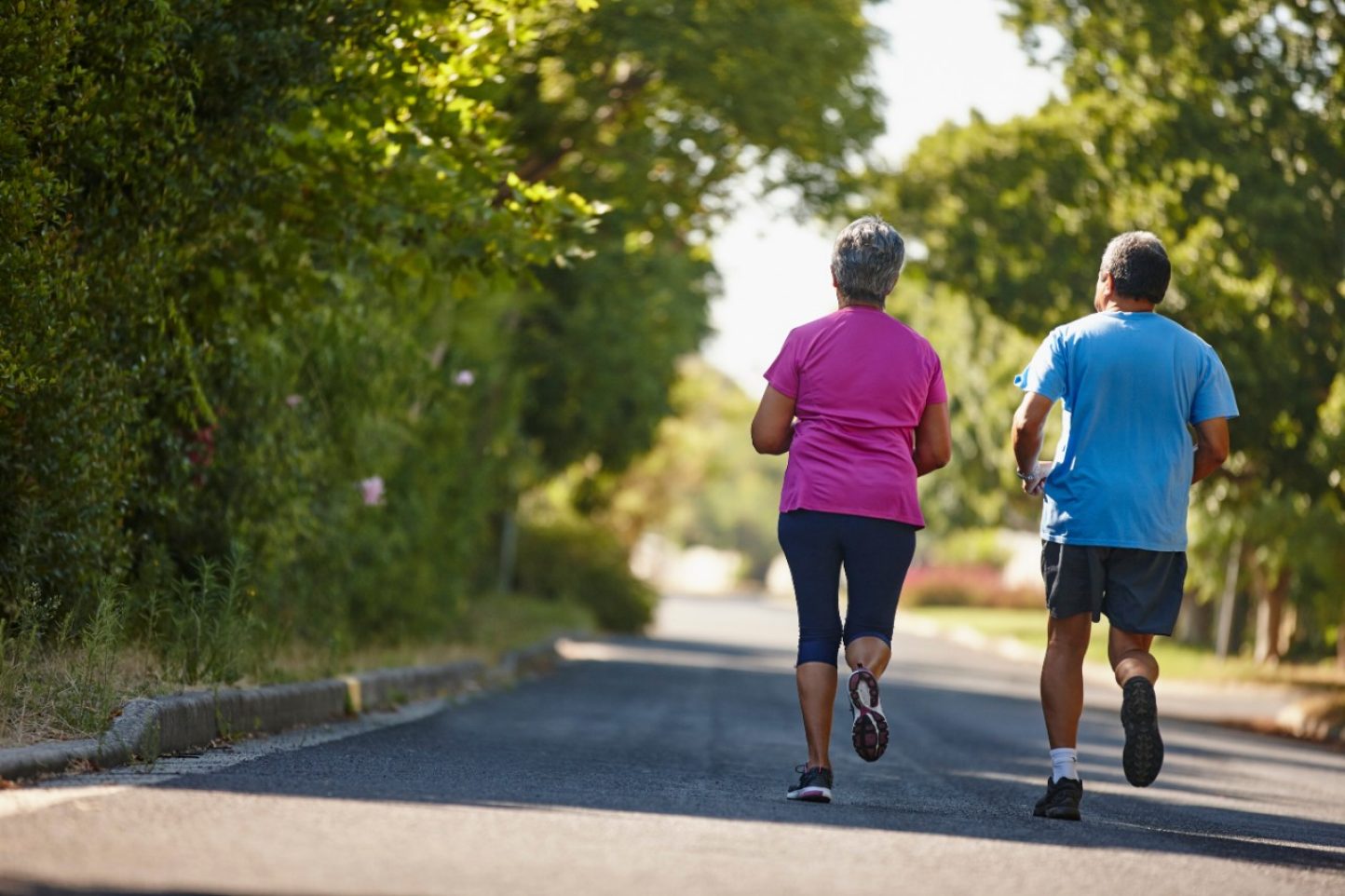
GET OFF THE COUCH: Do you spend too much time lounging around? Cancer prevention is one more reason to get moving. Exercise fights obesity and lowers levels of hormones like estrogen and insulin, which have been linked to cancer. Aim for 30 minutes of aerobic exercise -- the kind that gets your heart pumping -- on most days of the week.

PUT ON SUNSCREEN: Baking in the sun might give you a healthy-looking glow, but under the surface, UV rays cause skin damage that could lead to cancer. Because you can burn in just 15 minutes, rub on sunscreen before you go outside. Pick a broad-spectrum product with an SPF of 30 or higher. Reapply whenever you sweat or swim. And when you're out in the sun, wear a wide-brimmed hat and wraparound sunglasses.

PRACTICE SAFER SEX: Sexually transmitted diseases (STDs) aren't your only worry during unprotected sex. Some of these infections also increase your odds of having cancer. About 70% of cervical cancers start with human papillomavirus (HPV) types 16 and 18. Some types of hepatitis can cause liver cancer. To stay safe, use a latex condom every time you have sex.

GET VACCINATED: When it comes to vaccines, think beyond your annual flu shot. Some can protect against cancer, too. Certain HPV vaccines prevent cancers of the cervix, vulva, vagina, and anus. The time to get vaccinated is between ages 9 and 26. The hepatitis B vaccine wards off the virus that causes liver cancer. It's part of the childhood vaccination schedule.

AVOID TOXIC CHEMICALS: Chemicals called carcinogens damage DNA in your cells and raise your chance of having cancer if you touch, eat, or breathe them in. Asbestos, radon, and benzene are a few that some people come into contact with at work or home. Chemicals in weedkillers, plastics, and some home products may also be risky. You can't avoid every chemical, but know which ones are in products you use and switch to safer options if you can.

KNOW YOUR FAMILY HISTORY: You inherited more than your mother's eyes or your father's grin. They may also have shared their chances for having diseases like cancer. Some genes that parents pass down to their kids have flaws. They don't repair damaged DNA the way they should, which lets cells turn into cancer. Learn about your family's medical history and ask your doctor if a genetic test is a good idea for you.

STAY UP TO DATE WITH SCREENINGS: Screening tests catch cancer early -- sometimes even before it starts. A colonoscopy often finds polyps in the colon and rectum before they turn into cancer. The Pap test locates pre-cancerous and cancerous cells in a woman's cervix. Mammograms and low-dose computed tomography (LDCT) look for early breast and lung cancers. Ask your doctor when to start getting these tests, and how often you need them.

TAKE MEDS IF YOU NEED THEM: Some drugs lower your odds of getting certain cancers. Tamoxifen (Nolvadex, Soltamox) and raloxifene (Evista) can reduce breast cancer risk but may have serious side effects. Aspirin may protect against colorectal and prostate cancers. Be wary, though, of supplements that promise to keep you cancer-free. Many haven't been proven, and some have side effects.

BE CAUTIOUS ABOUT HORMONE THERAPY: It can ease menopause symptoms like hot flashes and fatigue, and protect your bones. But hormone therapy may raise your chances of breast cancer and make cancer harder to detect. Ask your doctor about your risks before you try this treatment.

MEDICALLY REVIEWED BY: Carol DerSarkissian, MD, WebMD, on February 10, 2021

SOURCES:

Pharmaceutical Research: "Cancer is a preventable disease that requires major lifestyle changes."

National Cancer Institute: "Harms of Cigarette Smoking and Health Benefits of Quitting," "Alcohol and Cancer Risk," "Obesity and Cancer Risk," "HPV and Cancer," "Cancer Vaccines."

Johns Hopkins Medicine: "Former Smokers: What's Your Risk for Lung Cancer?"

The New England Journal of Medicine: "21st-Century Hazards of Smoking and Benefits of Cessation in the United States."

American Cancer Society: "Cruciferous Vegetables and Cancer Prevention," "Does body weight affect cancer risk?" "World Health Organization Says Processed Meat Causes Cancer," "Alcohol and Cancer," "Medicines to Reduce Breast Cancer Risk."

The American Institute for Cancer Research: "Berries Seem to Burst With Cancer Protection."

Harvard T.H. Chan School of Public Health: "WHO repport says eating processed meat is carcinogenic: Understanding the Findings."

Fred Hutchinson Cancer Center: "Trim Your Cancer Risk With Exercise."

Skin Cancer Foundation: "Sunscreen."

National Institute of Child Health and Human Development: "Can a sexually transmitted disease or sexually transmitted infection (STD/STI) lead to cancer?"

CDC: "Chemicals, Cancer, and You," "What Should I Know About Screening?" "Cancer Screening Tests."

National Health Service: "Everyday chemicals may contribute to cancer," "Can vitamin and mineral supplements prevent cancer?"

Cancer Research UK: "Family history and inherited cancer genes."

MD Anderson Cancer Center: "Can a daily aspirin lower your cancer risk?"

Mayo Clinic: "Hormone therapy: Is it right for you?"

Much Love, Dr.Shermaine, #InformativeRead #PleaseShare #HealthyBodySoulAndSpirit #IWantYou2LiveWell #FeelFree2SignUpAndFollow

The Goal is to Always Make You Aware of What Concerns Your Body, Soul and Spirit, So You Can Have Open, Honest and Frequent Discussions With Your Physicians and Counselors. You Can’t Treat or Cure What You Don’t Know is Sick.
 
"It's Not Selfish to Love Yourself, Take Care of Yourself and to Make Your Happiness a Priority. It's a Necessity." (Mandy Hale)

"Self-Care is Not Selfish. You Cannot Serve From an Empty Vessel." (Eleanor Brown)
The contents of the WebMD and Self-Care With Dr. Shermaine Sites, such as text, graphics, images, and other material contained on the WebMD and Self-Care With Dr. Shermaine Sites ("Content") are for informational purposes only. The Content is not intended to be a substitute for professional medical advice, diagnosis, or treatment. Always seek the advice of your physician or other qualified health provider with any questions you may have regarding a medical condition. Never disregard professional medical advice or delay in seeking it because of something you have read on the WebMD and Self-Care With Dr. Shermaine Sites!

If you think you may have a medical emergency, call your doctor or 911 immediately. WebMD and Self-Care With Dr. Shermaine does not recommend or endorse any specific tests, physicians, products, procedures, opinions, or other information that may be mentioned on the Sites. Reliance on any information provided by WebMD, WebMD employees, others appearing on the Site at the invitation of WebMD, and Self-Care With Dr. Shermaine or other visitors to the Sites is solely at your own risk.  

Wednesday, February 2, 2022

“How to Make a Fire Evacuation Plan for Your Home”


When you’re busy with everyday life, the idea of your home catching on fire might seem like a distant threat. But a blaze can erupt unexpectedly, such as from a cooking mishap, a dropped cigarette, or faulty heating, lighting, or electrical appliances. The flames and smoke could spread through your home within 1 or 2 minutes, leaving you little time to escape. A fire evacuation plan can help everyone in your home escape safely.

HOW DO YOU CREATE A FIRE EVACUATION PLAN? Install smoke alarms on each level of your home. Place one in and outside every room where someone sleeps Your smoke alarms need to be interconnected -- meaning if one sounds off, they all do -- to meet safety codes. Teach everyone in your family, especially children, what your smoke alarms sound like. Explain that if an alarm goes off, it means everybody needs to go outside and stay out. Only fire crew members should go back inside a burning building for people or pets.

CHECK FOR EXITS AND ESCAPE ROUTES: Walk through your home and look for two ways (if possible) to get out of each room, like through a door and a window. If you have kids, you could draw a simple floor-plan map of your home and mark these ways out. Let your family members know that the safest escape route during a fire is the one with the least smoke and heat. Choose a place for all of you to meet outside, and mark it on your map. The meetup spot should be a safe distance from your home, like at a neighbor’s house, a light post, or a mailbox.

SET UP A FAMILY CONTACT PLAN: Tell each of your family members who they should call in case you can’t find each other once you’re outside.

DOUBLE-CHECK SECURITY DEVICES. Do your windows or doors have security bars? If so, make sure the bars have built-in emergency release devices, so you can open them right away in case a fire breaks out.

BE READY TO ASSIST LOVED ONES: You might be living with relatives who would need help getting out of the house during a fire, like:

  • Babies or children younger than 6 years old
  • Elderly adults
  • Someone who has trouble moving

Choose able-bodied family members to help these loved ones during practice fire drills and in case of a real fire. Assign backup helpers if you can, too, in case your first choices aren’t home.

LEARN THE FIRE DEPARTMENT’S PHONE NUMBER. Write it down, put it into your cellphone, and help everyone in your family memorize it. In general, call the fire department or 911 after you’ve safely escaped outside.

MAKE SURE YOUR HOME’S STREET NUMBER IS VISIBLE: It should be easy to see from the road, so fire crews and other first responders can spot it. If it isn’t visible, paint it on the curb or install numbers on the front of your home.

SHARE YOUR FIRE EVACUATION PLAN. When guests stay in your home, tell them about your plan. If you or someone in your family stays overnight at a friend’s home, ask them if they have a fire escape plan. If they don’t, you could offer to help them make one. It’s extra important to ask when your child sleeps over at a friend’s house, for example.

HOW SHOULD YOU TEST YOUR PLAN? Once you’ve written down your fire evacuation plan and discussed it with everyone in your home, take these steps to make sure it works well:

RUN A PRACTICE FIRE DRILL TWICE A YEAR: Try it once at night and once during the day. Use your smoke alarm’s test button to sound the siren -- or simply shout “fire” -- and then put your evacuation plan into motion. Have everyone who lives with you participate and practice it using different ways out of the home. Aim to have everybody get outside of your home in under 2 minutes. If it takes longer, try again. You can download the “Make Safe Happen” app for a timer to practice your evacuation plan.

TEST YOUR SMOKE ALARMS: Follow the manufacturer’s directions on how to do this. Check the alarms once a month to make sure they’re working -- many alarms come with a “test” button. Replace the batteries at least once a year, too. When you practice a fire drill at night, use your alarms’ “test” function to find out if the sound wakes up your loved ones. If it doesn’t wake them, assign someone to wake any heavy sleepers in your home in case of a real fire.

REMIND OTHERS TO CLOSE DOORS. Studies show that closed doors can create a barrier between you and harmful smoke, carbon monoxide, and flames during a fire. If someone is trapped in a burning building, closed doors can potentially save their life if they aren’t able to escape. Experts have found that during a fire, rooms with closed doors had temperatures of less than 100 F, while rooms with opened doors were over 1,000 degrees. In larger buildings (like apartments or other high-rise complexes), most fire codes require doors to be spring-loaded so that they’ll automatically close during a fire. Open doors can allow for deadly smoke to spread quickly through large buildings. If doors aren’t automatically closing behind you, close them as you exit the building during a fire.

TEACH YOUR CHILDREN. Help them get the hang of the escape plan by practicing it during the day first. Then do a fire drill at night after they’ve gone to sleep. You can tell them before bedtime that you’re going to do a drill, so they’re not scared when you wake them up. It’s also a good idea to show your children how to:

  • Escape by themselves in case you can’t help them
  • Use the back of their hand to check closed doors for heat before they open them
  • Find a different way out if a door feels hot
  • Close any doors they pass through on their way out. This can slow the fire’s spread and buy more time to escape.

Also, teach your children how to stop, drop, and roll to help put out the flames if their clothes catch fire. This means they should:

  • Stop where they are.
  • Drop to the ground and cover their eyes and mouth with their hands.
  • Roll over and over and back and forth until the flames are gone.
  • Ask a grown-up to help them cool the burn and get them medical care.

PRACTICE CRAWLING UNDER SMOKE: A real-life fire can give off thick smoke that makes it hard to breathe and see. If you need to escape through a smoky part of your home, drop to your hands and knees to get under it. Practice this during a fire drill by having everyone crawl to an exit.

KEEP ESCAPE ROUTES CLEAR: Move any items that could block a door or window and make it harder to get out. Barriers to be aware of include:

  • Furniture
  • Padlocks
  • Toys
  • Christmas trees or other decorations
  • Hurricane shutters
  • Nails or paint holding a window shut
  • Plastic window insulation for cold weather

CONSIDER ESCAPE LADDERS: If you live in a two-story home, it’s important for everyone (kids included) to be able to escape from rooms on the second floor. You could consider installing escape ladders in or near windows to make this possible. Follow the manufacturer’s directions on how to set up and use a ladder. You’ll need to do this quickly during a fire, so practice. Also have your children practice climbing down the ladder from a first-floor window, only while you or another adult watches them. Keep any escape ladder you buy near the window where you intend to use it, so you’ll know where to find it during a fire.

WHAT SHOULD YOU DO IF YOU LIVE IN A HIGH-RISE? If you live several stories off the ground in an apartment or condo unit, your fire evacuation plan should include: Learn about all the fire safety features in your building. These could include fire alarms, sprinkler systems, and an escape plan for all residents. You can ask your landlord or the building’s manager to walk you through these features. If your building doesn’t have a sprinkler system, ask your landlord or the managers to install one. Find out where all the exit stairs on your floor are. That way, if one flight of stairs is blocked by smoke or fire, you can use another one. In general, you shouldn’t use a building’s elevator unless the fire department tells you to. Still, some buildings have elevators that are meant for emergency use. If your building has one, it should have a marking or sign that specifies it’s safe to use in case of an emergency.

Check your floor’s exit and stairwell doors. They should be:

  • Clearly marked as exits
  • Not blocked by clutter
  • Not locked or sealed off by security bars

If you see flames or smoke in your unit or in the building, pull the fire alarm before you leave to alert your neighbors and the fire department. If you hear the fire alarm go off, don’t open any closed doors in your unit until you use the back of your hand to feel for heat. If the door is hot, try to find another safe way out. If it’s cool, you can open it. Close all doors behind you on your way out. If you hear an announcement through your building’s speaker system, listen carefully and follow the instructions.

WHAT IF YOU GET TRAPPED DURING A FIRE? Heavy smoke or flames might block your escape routes. Or you might be trapped in a high-rise apartment or condo with no safe way down. Use these steps to seal yourself in for safety while you wait for a fire crew.

  • Shut all doors between yourself and the fire.
  • Plug door cracks and cover air vents with duct tape or wet towels to block smoke.
  • If possible, open any windows in the room at the top and bottom so fresh air can come in. Close them if it makes the smoke worse.
  • Call the fire department or 911 and tell them exactly where you are. Once they arrive, try to flag them down by waving a flashlight or a bright cloth out the window.

BY: Evan Starkman, WebMD

SOURCES:

National Fire Protection Association: “Clear Your Escape Routes!” “Escape Planning,” “Home Structure Fires,” “How to Make a Home Fire Escape Plan,” “Know When to Stop, Drop, and Roll,” “High-rise Apartment and Condominium Safety.”

American Red Cross: “The 7 Ways to Prepare for a Home Fire.”

Ready.gov: “Practice Your Home Fire Escape Plan.”

Federal Emergency Management Agency (FEMA): “Every Second Counts: Plan 2 Ways Out!” “Smoke Alarm Outreach Materials.”

AP News: “Bronx apartment fire kills 19, including 9 children.”

International Fire Chiefs Association: “UL FSRI Survey: More Americans Close Doors for Fire Safety, But There is Still Work to Do.”

Fire Safety Research Institute: “Close Before You Doze.”

2015 International Fire Code (IFC): “Fire and Smoke Protection Features.” 

Much Love, Dr.Shermaine, #InformativeRead #PleaseShare #HealthyBodySoulAndSpirit #IWantYou2LiveWell #FeelFree2SignUpAndFollow

The Goal is to Always Make You Aware of What Concerns Your Body, Soul and Spirit, So You Can Have Open, Honest and Frequent Discussions With Your Physicians and Counselors. You Can’t Treat or Cure What You Don’t Know is Sick.
 
"It's Not Selfish to Love Yourself, Take Care of Yourself and to Make Your Happiness a Priority. It's a Necessity." (Mandy Hale)

"Self-Care is Not Selfish. You Cannot Serve From an Empty Vessel." (Eleanor Brown)

The contents of the WebMD and Self-Care With Dr. Shermaine Sites, such as text, graphics, images, and other material contained on the WebMD and Self-Care With Dr. Shermaine Sites ("Content") are for informational purposes only. The Content is not intended to be a substitute for professional medical advice, diagnosis, or treatment. Always seek the advice of your physician or other qualified health provider with any questions you may have regarding a medical condition. Never disregard professional medical advice or delay in seeking it because of something you have read on the WebMD and Self-Care With Dr. Shermaine Sites!

If you think you may have a medical emergency, call your doctor or 911 immediately. WebMD and Self-Care With Dr. Shermaine does not recommend or endorse any specific tests, physicians, products, procedures, opinions, or other information that may be mentioned on the Sites. Reliance on any information provided by WebMD, WebMD employees, others appearing on the Site at the invitation of WebMD, and Self-Care With Dr. Shermaine or other visitors to the Sites is solely at your own risk. 
 

"13 Ways to Use Apple Cider Vinegar That Will Change Your Life!"

    Of all the well-touted natural health remedies that exist today, very few are followed quite as religiously as taking a tablespoon or tw...