Search This Blog

Showing posts with label Cancer. Show all posts

Wednesday, October 19, 2022

"What You Can Do to Prevent Cancer and Why It Works?"


DITCH THE SMOKES: Every puff of tobacco is packed with 250 harmful chemicals. Nearly 70 of them cause cancer. And it's more than just lung cancer. Cigarettes are linked to 12 other kinds, including stomach, bladder, kidney, mouth, and throat. The sooner you stop, the better. Ask your doctor for advice on quit-smoking methods.

EAT MORE BROCCOLI: Fruits and veggies pack an anti-cancer punch because they're high in nutrients and fiber, and low in fat. Try broccoli, Brussels sprouts, cabbage, kale, watercress, or other cruciferous vegetables. They protect against DNA damage that can turn cells cancerous. Or eat colorful berries. Studies show they have cancer-fighting chemicals that ward off damage to cells.

TRIM A FEW POUNDS: Extra weight around your middle could add up to a greater chance of having cancer, especially of the breast, colon, uterus, pancreas, esophagus, and gallbladder. Researchers say one reason may be that fat cells release substances that encourage cancer cells to grow.

GO EASY ON ALCOHOL: Tip back too many martinis each day, and your odds of cancer go up. Alcohol is linked to cancers of the mouth, breast, liver, esophagus, and others. The more you drink, the higher your risk. If you drink, do it in moderation. Women should stick to one drink a day, men up to two.

CUT BACK ON HOT DOGS: Think twice before you throw some on the grill. Studies show that processed meats, like hot dogs, bacon, and sausage, have chemicals called nitrites and nitrates that may be linked to cancer. And research suggests too much red meat like steak and burgers could be a long-term risk for colorectal cancer. Choose safer alternatives for your backyard cookout, like chicken breast or fish.

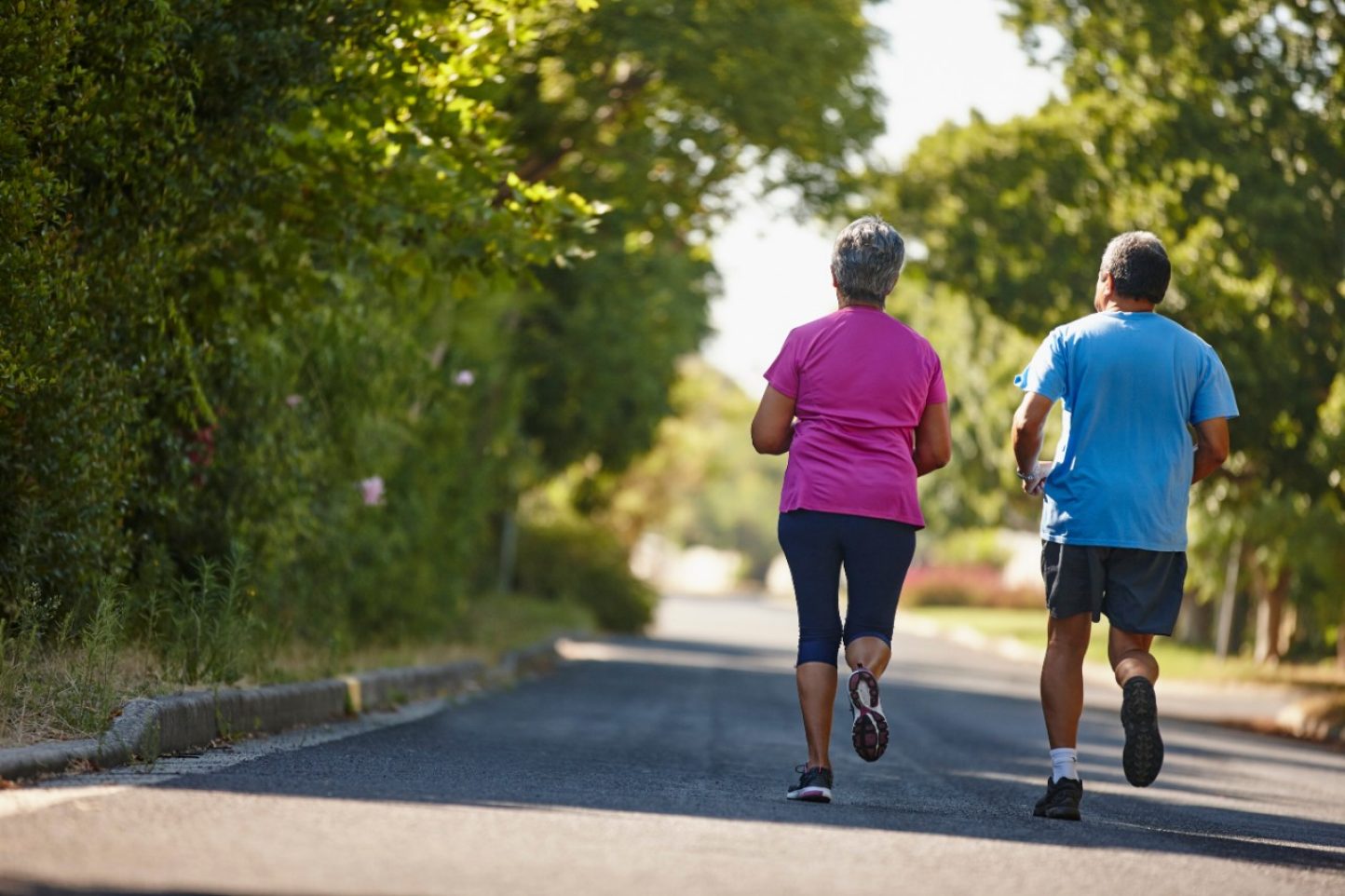
GET OFF THE COUCH: Do you spend too much time lounging around? Cancer prevention is one more reason to get moving. Exercise fights obesity and lowers levels of hormones like estrogen and insulin, which have been linked to cancer. Aim for 30 minutes of aerobic exercise -- the kind that gets your heart pumping -- on most days of the week.

PUT ON SUNSCREEN: Baking in the sun might give you a healthy-looking glow, but under the surface, UV rays cause skin damage that could lead to cancer. Because you can burn in just 15 minutes, rub on sunscreen before you go outside. Pick a broad-spectrum product with an SPF of 30 or higher. Reapply whenever you sweat or swim. And when you're out in the sun, wear a wide-brimmed hat and wraparound sunglasses.

PRACTICE SAFER SEX: Sexually transmitted diseases (STDs) aren't your only worry during unprotected sex. Some of these infections also increase your odds of having cancer. About 70% of cervical cancers start with human papillomavirus (HPV) types 16 and 18. Some types of hepatitis can cause liver cancer. To stay safe, use a latex condom every time you have sex.

GET VACCINATED: When it comes to vaccines, think beyond your annual flu shot. Some can protect against cancer, too. Certain HPV vaccines prevent cancers of the cervix, vulva, vagina, and anus. The time to get vaccinated is between ages 9 and 26. The hepatitis B vaccine wards off the virus that causes liver cancer. It's part of the childhood vaccination schedule.

AVOID TOXIC CHEMICALS: Chemicals called carcinogens damage DNA in your cells and raise your chance of having cancer if you touch, eat, or breathe them in. Asbestos, radon, and benzene are a few that some people come into contact with at work or home. Chemicals in weedkillers, plastics, and some home products may also be risky. You can't avoid every chemical, but know which ones are in products you use and switch to safer options if you can.

KNOW YOUR FAMILY HISTORY: You inherited more than your mother's eyes or your father's grin. They may also have shared their chances for having diseases like cancer. Some genes that parents pass down to their kids have flaws. They don't repair damaged DNA the way they should, which lets cells turn into cancer. Learn about your family's medical history and ask your doctor if a genetic test is a good idea for you.

STAY UP TO DATE WITH SCREENINGS: Screening tests catch cancer early -- sometimes even before it starts. A colonoscopy often finds polyps in the colon and rectum before they turn into cancer. The Pap test locates pre-cancerous and cancerous cells in a woman's cervix. Mammograms and low-dose computed tomography (LDCT) look for early breast and lung cancers. Ask your doctor when to start getting these tests, and how often you need them.

TAKE MEDS IF YOU NEED THEM: Some drugs lower your odds of getting certain cancers. Tamoxifen (Nolvadex, Soltamox) and raloxifene (Evista) can reduce breast cancer risk but may have serious side effects. Aspirin may protect against colorectal and prostate cancers. Be wary, though, of supplements that promise to keep you cancer-free. Many haven't been proven, and some have side effects.

BE CAUTIOUS ABOUT HORMONE THERAPY: It can ease menopause symptoms like hot flashes and fatigue, and protect your bones. But hormone therapy may raise your chances of breast cancer and make cancer harder to detect. Ask your doctor about your risks before you try this treatment.

MEDICALLY REVIEWED BY: Carol DerSarkissian, MD, WebMD, on February 10, 2021

SOURCES:

Pharmaceutical Research: "Cancer is a preventable disease that requires major lifestyle changes."

National Cancer Institute: "Harms of Cigarette Smoking and Health Benefits of Quitting," "Alcohol and Cancer Risk," "Obesity and Cancer Risk," "HPV and Cancer," "Cancer Vaccines."

Johns Hopkins Medicine: "Former Smokers: What's Your Risk for Lung Cancer?"

The New England Journal of Medicine: "21st-Century Hazards of Smoking and Benefits of Cessation in the United States."

American Cancer Society: "Cruciferous Vegetables and Cancer Prevention," "Does body weight affect cancer risk?" "World Health Organization Says Processed Meat Causes Cancer," "Alcohol and Cancer," "Medicines to Reduce Breast Cancer Risk."

The American Institute for Cancer Research: "Berries Seem to Burst With Cancer Protection."

Harvard T.H. Chan School of Public Health: "WHO repport says eating processed meat is carcinogenic: Understanding the Findings."

Fred Hutchinson Cancer Center: "Trim Your Cancer Risk With Exercise."

Skin Cancer Foundation: "Sunscreen."

National Institute of Child Health and Human Development: "Can a sexually transmitted disease or sexually transmitted infection (STD/STI) lead to cancer?"

CDC: "Chemicals, Cancer, and You," "What Should I Know About Screening?" "Cancer Screening Tests."

National Health Service: "Everyday chemicals may contribute to cancer," "Can vitamin and mineral supplements prevent cancer?"

Cancer Research UK: "Family history and inherited cancer genes."

MD Anderson Cancer Center: "Can a daily aspirin lower your cancer risk?"

Mayo Clinic: "Hormone therapy: Is it right for you?"

Much Love, Dr.Shermaine, #InformativeRead #PleaseShare #HealthyBodySoulAndSpirit #IWantYou2LiveWell #FeelFree2SignUpAndFollow

The Goal is to Always Make You Aware of What Concerns Your Body, Soul and Spirit, So You Can Have Open, Honest and Frequent Discussions With Your Physicians and Counselors. You Can’t Treat or Cure What You Don’t Know is Sick.
 
"It's Not Selfish to Love Yourself, Take Care of Yourself and to Make Your Happiness a Priority. It's a Necessity." (Mandy Hale)

"Self-Care is Not Selfish. You Cannot Serve From an Empty Vessel." (Eleanor Brown)

The contents of the WebMD and Self-Care With Dr. Shermaine Sites, such as text, graphics, images, and other material contained on the WebMD and Self-Care With Dr. Shermaine Sites ("Content") are for informational purposes only. The Content is not intended to be a substitute for professional medical advice, diagnosis, or treatment. Always seek the advice of your physician or other qualified health provider with any questions you may have regarding a medical condition. Never disregard professional medical advice or delay in seeking it because of something you have read on the WebMD and Self-Care With Dr. Shermaine Sites!

If you think you may have a medical emergency, call your doctor or 911 immediately. WebMD and Self-Care With Dr. Shermaine does not recommend or endorse any specific tests, physicians, products, procedures, opinions, or other information that may be mentioned on the Sites. Reliance on any information provided by WebMD, WebMD employees, others appearing on the Site at the invitation of WebMD, and Self-Care With Dr. Shermaine or other visitors to the Sites is solely at your own risk.  

Friday, March 5, 2021

“What Happens When You Lose A Lot of Weight?”


WHAT HAPPENS WHEN YOU LOSE A LOT OF WEIGHT: When you’ve got pounds to spare, shedding them improves many aspects of your physical health and well-being. Weight loss can lead to changes in your personal life, mental health, your senses, and more. If you’re looking to lose some weight, want to lose more, or have just lost a lot and want to keep it off, check out some of the lesser-known rewards and other changes that come when those pounds drop off.

BETTER SLEEP: Shedding extra weight may help you sleep better at night. Many people who are overweight have trouble sleeping. This is often because of sleep apnea, a difficulty breathing in your sleep that’s more common in overweight people. Weight loss can ease those breathing troubles. You might find that you’re more likely to stay asleep through the night. You may also feel more alert and well rested throughout the day.

BETTER MOOD: Weight loss doesn’t just make your body feel good. It boosts your mood and mental health. In a study of obese older adults, 3 months after a significant weight loss, they reported less tension, depression, anger, and fatigue. And it went both ways. People whose moods were better dropped more pounds. Keeping a healthy weight lowers risk for depression, anxiety, and other mental health problems. A good mood and a healthy weight go together.

A DIFFERENT TASTE IN FOOD: Too much excess weight can dull your sense of taste. One reason for this might be that you've actually lost taste buds. Studies show that people who lose a lot of weight, especially after weight loss surgery, don't taste things the same way afterward. Sweet and fatty meals might not taste as good to you. So, you’ll naturally start to eat more healthy food and take in fewer calories.

BRAIN GAINS: Studies connect obesity to troubles with memory, thinking skills, and overall brain function. A study in 20 overweight women suggests it works the other way too. Though it was a small study, it showed that after losing weight, the women did better on memory tests. Certain parts of their brain also became more active after the weight loss.

A BETTER SEX LIFE: People who are obese often report low interest in sex or that they just don’t enjoy it very much. Overweight men may struggle with erectile dysfunction. The good news is that losing the extra weight can help. A review of 16 weight-loss studies showed that when people lose weight, the quality of their sex life improves.

REDUCE YOUR HEALTH RISKS: Obesity increases your risk for many health problems. Losing the extra weight can help eliminate those health problems or lower your odds for them. Weight loss can reduce your blood pressure and cholesterol. It can also slash risk for diabetes, heart disease, stroke, gallbladder disease, and osteoarthritis.

CUT YOUR CANCER RISK: People who have more body fat are more likely to get many types of cancer. Weight loss can lower your risk for breast, endometrial, colon, prostate, and other cancers. Even if you do get cancer, you’ll have better odds if you fight the disease at a healthier weight.

LOOSE AND HANGING SKIN: This is a less desirable side effect of major weight loss. If you've shed quite a few pounds, your skin can’t just bounce back to where it was before. You may have extra folds or flaps on your belly, thighs, arms, chin, or your breasts. You might not like the way they look. This excess skin can also be uncomfortable and even get irritated or infected. A plastic surgeon can perform an operation to get rid of the extra tissue.

YOUR METABOLISM SLOWS: If you lost a lot of weight, it’s because you’re eating less. When you make a major change in the amount of food you take in each day, your body begins to process it more slowly. This can make it harder to keep losing weight after you've already lost some. You can give your metabolism a little help with more exercise, including strength training to build muscle mass.

YOUR BODY CLOCK SHIFTS: Fixed mealtimes can help regulate the internal clock that keeps your body running on a 24-hour day. If you've changed when you eat to help you lose weight, you may also see changes in when you sleep and wake. If you want to keep losing, studies show that when you eat matters. For example, overweight and obese women may lose more weight when they eat a bigger breakfast and less at dinner even when the total calories for the day are the same.

YOUR BODY TEMPERATURE CHANGES: Scientists have tied body temperature to obesity in men and post-menopausal women. (Menstrual cycles might help regulate body temperature in other women.) Data suggest that a higher body mass index is connected to higher body temperature. If you lose a lot of weight, you might notice yourself feeling cooler.

REVIEWED BY: Carol DerSarkissian, WebMD on November 03, 2020

REFERENCES:

Behavioral Sleep Medicine: “Lifestyle Intervention for Sleep Disturbances among Overweight or Obese Individuals.”

Harvard Medical School: "Losing weight and belly fat improves sleep.”

JAMA: “Longitudinal study of moderate weight change and sleep-disordered breathing.”

Mayo Clinic: "Sleep apnea."

The Journal of Nutrition, Health and Aging: “Quality of Life and Mental Health in Older Adults with Obesity and Frailty: Associations with a Weight Loss Intervention.”

PLoS Biology: "Inflammation arising from obesity reduces taste bud abundance and inhibits renewal.”

Current Opinion in Gastroenterology: “Bariatric surgery and taste: novel mechanisms of weight loss.”

Obesity Facts: “Diet-Induced Weight Loss Alters Functional Brain Responses during an Episodic Memory Task.”

Obesity: “Sexual functioning and obesity: a review.”

International Journal of Impotence Research: “Improvements in Sexual Quality of Life after Moderate Weight Loss.”

Centers for Disease Control and Prevention: “The Health Effects of Overweight and Obesity.”

National Cancer Institute: “Obesity and Cancer.”

Johns Hopkins Medicine: “Body Contouring After Weight-Loss Surgery.”

Ohio State Medical Center: “How to lose weight without tanking your metabolism.”

Current Biology: “Meal Timing Regulates the Human Circadian System.”

Randomized Controlled Trial: "High caloric intake at breakfast vs. dinner differentially influences weight loss of overweight and obese women.”

International Journal of Obesity: “Association of body temperature with obesity. The CoLaus study.”

The Japanese Journal of Physiology: “Effects of diets on cold tolerance and metabolic responses to cold in fasted rats.”

Much Love, Dr.Shermaine, #InformativeRead #PleaseShare #HealthyBodySoulAndSpirit #IWantYou2LiveWell #FeelFree2SignUpAndFollow

The Goal is to Always Make You Aware of What Concerns Your Body, Soul and Spirit, So You Can Have Open, Honest and Frequent Discussions With Your Physicians and Counselors. You Can’t Treat or Cure What You Don’t Know is Sick.
 
"It's Not Selfish to Love Yourself, Take Care of Yourself and to Make Your Happiness a Priority. It's a Necessity." (Mandy Hale)

"Self-Care is Not Selfish. You Cannot Serve From an Empty Vessel." (Eleanor Brown)

The contents of the WebMD and Self-Care With Dr. Shermaine Sites, such as text, graphics, images, and other material contained on the WebMD and Self-Care With Dr. Shermaine Sites ("Content") are for informational purposes only. The Content is not intended to be a substitute for professional medical advice, diagnosis, or treatment. Always seek the advice of your physician or other qualified health provider with any questions you may have regarding a medical condition. Never disregard professional medical advice or delay in seeking it because of something you have read on the WebMD and Self-Care With Dr. Shermaine Sites!

If you think you may have a medical emergency, call your doctor or 911 immediately. WebMD and Self-Care With Dr. Shermaine does not recommend or endorse any specific tests, physicians, products, procedures, opinions, or other information that may be mentioned on the Sites. Reliance on any information provided by WebMD, WebMD employees, others appearing on the Site at the invitation of WebMD, and Self-Care With Dr. Shermaine or other visitors to the Sites is solely at your own risk.  

Thursday, April 9, 2020

“7 Health Benefits of Garlic, According to a Nutritionist”


Garlic may just be one of the most satisfying aromas and flavors used in cuisines around the globe. But it can also boast some pretty impressive health benefits. Here are seven reasons to incorporate more of this mouthwatering veggie into your eating routine, and a few tips for dealing with the worth-it garlic breath.

GARLIC OFFERS IMMUNE SUPPORT: Some “immunity shots” incorporate garlic, and for good reason. Historically, garlic has been used to ward off illnesses, fight infections, and treat wounds. In fact, research lends credibility to garlic’s immune-bolstering capabilities. In one study, https://www.ncbi.nlm.nih.gov/pubmed/11697022 146 volunteers were assigned to receive either a placebo or a garlic supplement daily for 12 weeks throughout the winter. The garlic group experienced significantly fewer colds compared to the placebo group, and they recovered faster if they did get infected. Newer research confirms that aged garlic extract may enhance immune cell function. In the study, healthy adults between 21 and 50 received either a placebo or aged garlic extract for 90 days. While there was no difference in the number of illnesses between the groups, those who received garlic had reduced cold and flu severity, fewer symptoms, and a smaller number of missed days of work or school.

IT CAN BOOST HEART HEALTH: In a recent review of previously published studies, scientists summarized the many ways garlic protects heart health. These include lowering blood pressure and cholesterol, as well as reducing artery stiffness and blood markers for inflammation. Other research shows that compared to a placebo, aged garlic extract can help slow the rate of progression of coronary artery calcification, a risk factor for cardiac events, including heart attack and stroke. In people with high cholesterol, garlic has been shown to reduce both total cholesterol and “bad” LDL, while slightly improving protective ”good” HDL. Researchers say the 8% reduction in total cholesterol seen in studies is associated with a 38% reduced risk of coronary events by age 50.

GARLIC FIGHTS HIGH BLOOD PRESSURE: Around the world, about 25% of adults have high blood pressure, and the condition is linked to seven million deaths each year. In one meta-analysis, garlic supplements were found to be more effective at curbing blood pressure compared to a placebo, especially in people diagnosed with hypertension. Another study found that garlic supplements have the potential to reduce blood pressure in people with hypertension, while simultaneously lowering cholesterol and stimulating the immune system.

IT CAN PROTECT FROM CANCER: Garlic and other vegetables in the allium family, including onions and leeks, have been linked to a reduced risk of several types of cancer, including of the stomach, throat, prostate, and colon. Natural compounds in garlic are known to help selectively kill off cancer cells, and prevent cancer from growing and spreading.

GARLIC SUPPORTS BRAIN HEALTH: In addition to supporting learning and memory, aged garlic extract may also help prevent cognitive decline by protecting brain neurons. The veg also helps fight against the brain changes known to be a precursor to neurodegenerative conditions, including Alzheimer’s.

IT’S GOOD FOR YOUR GUT: Garlic functions as a prebiotic, food for beneficial bacteria in the gut tied to immunity and positive mood. Research has also shown that aged garlic extract positively improves the diversity of microbes in the gut, including an increase in the number of beneficial and immune-stimulating bacteria.

IT IMPROVES BONE HEALTH: A high consumption of allium vegetables, including garlic, is associated with protection against hip osteoarthritis, the most common disabling joint condition affecting older adults. Scientists believe the plant’s natural compounds help fend off the breakdown of joint cartilage and bone.


BEST WAYS TO CONSUME GARLIC: While many of the studies referenced above involve garlic supplements, I don’t recommend taking them without the guidance of your physician or a dietitian. In supplemental form, garlic can interact with medications or other supplements, or potentially trigger unwanted side effects that may include digestive upset, dizziness, insomnia, and increased bleeding risk. Instead, reach for whole garlic. To maximize its effectiveness, crush fresh garlic, and then let it sit at room temperature. Research shows that this step releases an enzyme that boosts levels of garlic’s health promoting compounds, which peak about 10 minutes after crushing. After this resting time, add garlic to homemade extra virgin olive oil vinaigrette dressing, sautéed greens and other veggies, sir-fry’s, soups, stews, and savory nut butter sauces.


GETTING RID OF GARLIC BREATH: As for that garlic breath, the best way to combat it is to chew on fresh herbs, like mint or parsley, after a garlic-rich meal. Munching on an apple or lettuce can also help neutralize the sulfur compounds that give garlic its distinct scent. Or try black garlic. Free from additives and preservatives, black garlic is made from whole garlic that’s been aged for a month in a special fermentation process under high heat. This process causes the garlic to develop a dark color, soft texture, and sweet taste. It’s been shown to pack twice as many antioxidants as raw garlic, and bonus: it won’t give you garlic breath like its unfermented cousin.


Cynthia Sass, MPH, RD, is Health's contributing nutrition editor, a New York Times best-selling author, and a private practice performance nutritionist who has consulted for five professional sports teams.

Much Love, Dr.Shermaine, #InformativeRead #PleaseShare #HealthyBodySoulAndSpirit #IWantYou2LiveWell #FeelFree2SignUpAndFollow

The Goal is to Always Make You Aware of What Concerns Your Body, Soul and Spirit, So You Can Have Open, Honest and Frequent Discussions With Your Physicians and Counselors. You Can’t Treat or Cure What You Don’t Know is Sick.

"It's Not Selfish to Love Yourself, Take Care of Yourself and to Make Your Happiness a Priority. It's a Necessity." (Mandy Hale)

"Self-Care is Not Selfish. You Cannot Serve From an Empty Vessel." (Eleanor Brown)


The contents of the Health Magazine and Self-Care With Dr. Shermaine Sites, such as text, graphics, images, and other material contained on the Health Magazine and Self-Care With Dr. Shermaine Sites ("Content") are for informational purposes only. The Content is not intended to be a substitute for professional medical advice, diagnosis, or treatment. Always seek the advice of your physician or other qualified health provider with any questions you may have regarding a medical condition. Never disregard professional medical advice or delay in seeking it because of something you have read on the Health Magazine and Self-Care With Dr. Shermaine Sites!

If you think you may have a medical emergency, call your doctor or 911 immediately. Health Magazine and Self-Care With Dr. Shermaine does not recommend or endorse any specific tests, physicians, products, procedures, opinions, or other information that may be mentioned on the Sites. Reliance on any information provided by Health Magazine, Health Magazine employees, others appearing on the Site at the invitation of Health Magazine, and Self-Care With Dr. Shermaine or other visitors to the Sites is solely at your own risk. 


Friday, August 2, 2019

"Health Benefits of Matcha”


WHAT IS MATCHA? It’s a form of green tea that’s been enjoyed in China and Japan for hundreds of years. The leaves are made into a powder that’s far stronger than regular tea, so a little can go a long way.

HOW IT’S MADE? About 2 weeks before harvest, farmers build structures around the plants to shade them, leaving them almost in the dark. It’s thought that this makes the leaves softer, sweeter, and brighter. After harvest, the tea leaves are quickly steamed, then dried and put into heated ovens for 20 minutes or so. Workers then remove stems, twigs, and other unneeded parts and grind the leaves into powder.

HOW IT TASTES? Though it’s made from the same leaf, some people say matcha is sweeter and creamier than regular green tea. You may also notice a “grassiness” to the smell and taste, especially if you use a lot of the powder.

HEALTH BENEFITS? Antioxidants are substances in foods that can help protect your cells from damage. Some studies show that because of the way it’s made, matcha may have more of those than loose-leaf green tea. But researchers don’t know yet if that means it has any more health benefits.

LOWER BLOOD PRESSURE: Catechins, an antioxidant in matcha, may help with this. They seem to be especially helpful if your upper number is 130 or higher, which can raise your chances of heart disease, heart attack, and stroke, among other issues.  

LOWER CHOLESTEROL: Catechins also seem to help with your LDL (“bad”) cholesterol and total cholesterol numbers. That’s good because high levels of those can lead to heart disease, heart attack, and stroke. 

DEFENSE AGAINST CANCER: Polyphenols and other antioxidants in matcha (as well as loose-leaf green tea) may help protect your cells against cancer. But more research is needed for doctors to know if these compounds can help prevent or delay the disease. 

BETTER DENTAL HEALTH: A cup of matcha tea a day might help keep your teeth in good shape. This could be because something in the leaves helps keep a healthy level of acid in your mouth. Or it might be the fluoride the plant gets from the soil. The water you use to make your brew may have fluoride in it, too. 

STAY ALERT: Matcha can help keep you awake and focused when you need to be. That’s in part because of one of its best-studied ingredients: caffeine. Just don’t overdo it. Too much can make you jittery and nervous and mess with your sleep.

HELP WITH INFLAMMATION: Antioxidants in matcha called polyphenols might ease the kind caused by conditions like arthritis. It also might slow the breakdown of cartilage (the tissue that cushions your joints) that arthritis can cause.

MATCHA TEA: Whisk together 2 to 4 ounces of almost boiling water with 1 to 2 teaspoons of matcha powder. When it looks frothy and thoroughly mixed, it’s ready to drink. Add a bit more water if it’s too strong for your taste.

MATCHA LATTE: Any type of milk will work: cow, goat, soy, or almond. You can warm and even foam it, and a bit of honey will sweeten it if you like. Drink it hot, or pour it over ice for a summer treat.

ADD IT TO YOUR SMOOTHIE: Just a teaspoon or two should do the trick. More than that and you might over-caffeinate yourself for the day. Try different mixtures to find the one that works best with that matcha taste.

SPRINKLE IT ON OATMEAL AND GRANOLA: Add matcha to your favorite breakfast in a bowl. If you make your granola at home, look for recipes that use the powder, or just add a teaspoon or two to your current recipe and see what you think.

STIR IT INTO YOGURT: Sift 2 teaspoons of matcha into half a cup of Greek yogurt and mix it up. Add some fruit, nuts, seeds, and a bit of honey for a healthy treat.

Reviewed by: Jennifer Robinson, MD on April 26, 2018

Sources:

American Heart Association: “Health Threats From High Blood Pressure.”
Arthritis Foundation: “Fight Inflammation With a Cup of Tea,” “Add These Arthritis-friendly Foods to Your Diet.”
Consumer Reports: “Are You Getting Too Much Caffeine?”
Eatright.org: “The Health Benefits of Tea.”
European Journal of Nutrition: “Green tea catechins and blood pressure: a systematic review and meta-analysis of randomised controlled trials.”
FoodInsight.org: “Does Matcha Match Up to Other Tea?”
Geriatrics and Gerontology International: “Green tea: a novel functional food for the oral health of older adults.”
Health With Food: “What to Do With Matcha Powder: 7 Creative Ways to Use Matcha.”
Journal of Cancer Prevention: “Primary cancer prevention by green tea, and tertiary cancer prevention by the combination of green tea catechins and anticancer compounds.”
Journal of the American Diabetic Association: “Green tea catechins decrease total and low-density lipoprotein cholesterol: a systematic review and meta-analysis.”
Matcha Source: “How To Prepare Matcha Green Tea?” “Berry Wonderful Bowl.”
Mayo Clinic Health Letter: “High cholesterol,” “Buzzed on Inflammation.”
Michigan State University Extension: “What is matcha powder?”
National Center For Complementary and Integrative Health: “Green Tea.”
Panatea: “Matcha Granola.”
Nutrition, Metabolism, and Cardiovascular Diseases: “The effect of green tea on blood pressure and lipid profile: a systematic review and meta-analysis of randomized clinical trials.”
Tennessee Academy of Nutrition and Dietetics: “Matcha 101: What You Need to Know about this Trendy Tea.”
World of Tea: “Matcha – The Right Blend,” “Matcha – The Production of Tencha.”

Much Love, Dr.Shermaine, #InformativeRead #PleaseShare #HealthyBodySoulAndSpirit #IWantYou2LiveWell

The Goal is to Always Make You Aware of What Concerns Your Body, Soul and Spirit, So You Can Have Open, Honest and Frequent Discussions With Your Physicians and Counselors. You Can’t Treat or Cure What You Don’t Know is Sick.

"It's Not Selfish to Love Yourself, Take Care of Yourself and to Make Your Happiness a Priority. It's a Necessity." (Mandy Hale)

"Self-Care is Not Selfish. You Cannot Serve From an Empty Vessel." (Eleanor Brown)

The contents of the WebMD and Self-Care With Dr. Shermaine Sites, such as text, graphics, images, and other material contained on the WebMD and Self-Care With Dr. Shermaine Sites ("Content") are for informational purposes only. The Content is not intended to be a substitute for professional medical advice, diagnosis, or treatment. Always seek the advice of your physician or other qualified health provider with any questions you may have regarding a medical condition. Never disregard professional medical advice or delay in seeking it because of something you have read on the WebMD and Self-Care With Dr. Shermaine Sites!

If you think you may have a medical emergency, call your doctor or 911 immediately. WebMD and Self-Care With Dr. Shermaine does not recommend or endorse any specific tests, physicians, products, procedures, opinions, or other information that may be mentioned on the Sites. Reliance on any information provided by WebMD, WebMD employees, others appearing on the Site at the invitation of WebMD, and Self-Care With Dr. Shermaine or other visitors to the Sites is solely at your own risk. 
 

"13 Ways to Use Apple Cider Vinegar That Will Change Your Life!"

    Of all the well-touted natural health remedies that exist today, very few are followed quite as religiously as taking a tablespoon or tw...