Search This Blog

Showing posts with label Immune System. Show all posts

Monday, August 1, 2022

"Alcohol and the Aging Process"


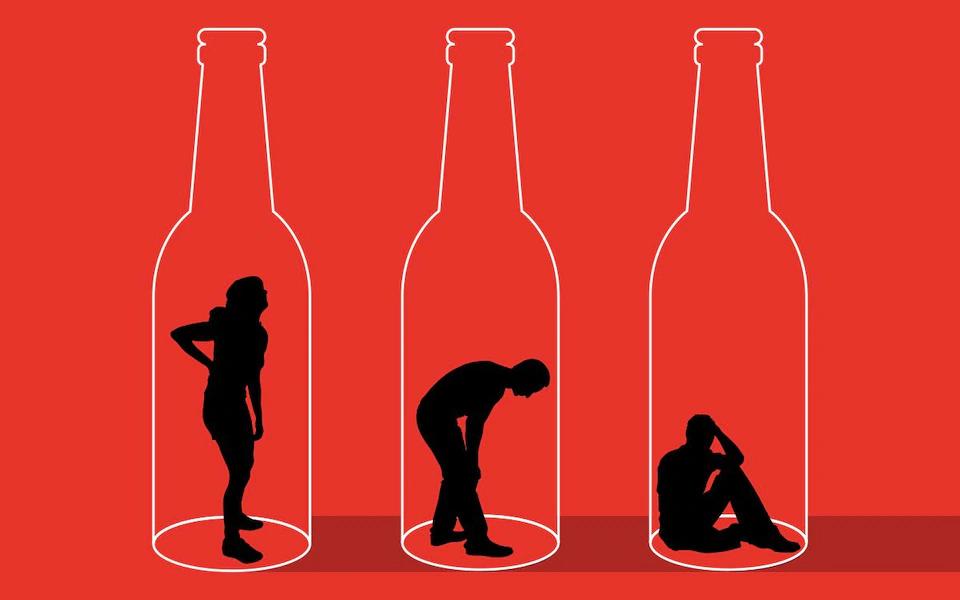
A BAD MIX: Alcohol is linked to age in lots of ways. You have to be old enough to drink it legally, and once you are, it can age you faster than normal. Heavy drinking can have a direct effect on certain parts of your body and on your mental health as you get older. And it can have some unhealthy indirect effects, as well.

IT CAN DEHYDRATE YOU: As you get older, you have less water in your body and -- for reasons that aren’t quite clear --you also feel thirsty less often. That makes seniors more likely to be dehydrated. Drinking alcohol can pull more water out of your body and make your chances of dehydration even higher.

IT CAN DRY YOUR SKIN: Our skin gets thinner and drier as we age. It’s a natural process called intrinsic aging, and it’s something you can’t control. Extrinsic aging is when your skin ages faster than it should because of your environment and how you live. That’s where alcohol comes in -- it dehydrates you and dries out your skin. You can slow that down by drinking less.

IT CAN MAKE VITAL ORGANS WEAKER: Alcohol can affect the way some vital organs work and make them age faster. While heavy drinkers are more likely to have cirrhosis (permanent damage to your liver), even moderate drinking can lead to problems like fatty liver disease. It also can make it harder for your kidneys to do their thing.

IT CAN SLOW YOUR BRAIN: Every alcoholic drink goes “straight to your head,” or at least to your brain. Heavy drinking over a long time can shrink brain cells and lead to alcohol-related brain damage (ARBD) and certain types of dementia. Symptoms of that include lack of judgment, organization, or emotional control, trouble staying focused, and anger issues.

IT CAN WEAKEN YOUR IMMUNE SYSTEM: Alcohol can affect the way your body fights off life-threatening illnesses like tuberculosis or pneumonia. This can be especially serious for older people. Researchers are also studying the possibility that alcoholic liver disease might be caused, at least in part, by your immune system attacking healthy body tissues.

IT CAN AFFECT YOUR HEART: Red wine has antioxidants called polyphenols that may help your cholesterol level and protect your blood vessels. If you drink it in moderation (about one glass a day), some studies show that it might be good for your heart. But too much can lead to an abnormal heartbeat and high blood pressure. So, if you don’t drink, this isn’t a good reason to start.

IT HITS YOU FASTER: People who drink may notice that they’re “feeling no pain” sooner as they get older. That’s mainly because our bodies gain fat and lose muscle in our senior years, and it takes longer for us to break down alcohol and get it out of our system. It also can make hangovers last longer.

IT CAN COMPLICATE THINGS: Alcohol may not only make you more likely to get sick as you age, it also can make common medical problems worse. Studies show that heavy drinkers can have a harder time with things like osteoporosis, diabetes, high blood pressure, stroke, ulcers, memory loss, and certain mood disorders.

IT CAN CHANGE HOW YOUR MEDS WORK: The older you get, the longer alcohol stays in your system. So, it’s more likely to be there when you take medicine.  And alcohol can affect the way your meds work. It can also lead to serious side effects. For example, drinking alcohol when you take aspirin can raise your chances of stomach problems or internal bleeding. Mixing it with certain sleeping pills, pain medications, or anxiety drugs can be life-threatening.

IT CAN MAKE YOU MORE LIKELY TO FALL: Broken bones from a stumble are a serious health issue for seniors. Heavy drinking can make them even more likely. It’s because alcohol can affect your balance and sense of judgment. Over time, it also can damage the cerebellum, the area in your brain that handles balance and coordination.

IT CAN KEEP YOU UP AT NIGHT: The idea of having a drink to relax before bedtime may not be a good one, especially as you get older. Instead of lulling you into a restful night, alcohol can actually keep you from getting to sleep and lead to restless slumber. That can be particularly hard on seniors, who are already more likely to wake up often or have a sleep disorder like insomnia.

YOU CAN DRINK...BUT: As with most things, moderation is key. People older than 65 who don’t take any medications should average no more than one drink a day (seven per week) and have no more than three at one sitting. (A drink is one 12-ounce can or bottle of beer, one 5-ounce glass of wine, or one 1.5-ounce shot of an 80-proof or less liquor.) Talk with your doctor to find out what’s right for you.

MEDICALLY REVIEWED BY: Smitha Bhandari, MD, WebMD, on February 02, 2021

SOURCES:

Cleveland Clinic: “Drink Up: Dehydration Is An Often Overlooked Health Risk For Seniors.”

Cleveland Clinic: “Dehydration Avoidance: Proper Hydration.”

American Academy of Dermatology: “What Causes Our Skin To Age?”

Fatty Liver Foundation: “What Is Cirrhosis?”

National Institute on Alcohol Abuse and Alcoholism: “Alcohol Metabolism: An Update,” “Alcohol and The Immune System,” “Older Adults,” “Mixing Alcohol With Medicines,” “Alcohol and the Cerebellum: Effects on Balance, Motor Coordination and Cognition.”

National Kidney Foundation: “Alcohol and Your Kidneys.”

Alzheimer’s Society: “Alcohol-Related Brain Damage,” “Symptoms of Alcoholic Dementia.”

American Lung Association: “Learn About Pneumonia.”

Oxford Academic: “Tuberculosis and Aging: A Global Health Problem.”

Mayo Clinic: “Red Wine and Resveratrol: Good For Your Heart?”

DrinkAware: “Alcohol and Heart Disease.”

Royal College of Psychiatrists: “Alcohol and Older People.”

National Institute on Aging: “Facts About Aging and Alcohol,” “Alcohol and Medicines.”

Endocrine Society: “Broken Bones Among Older People Increase Risk of Death for Up To 10 Years.”

American Family Physician: “Alcoholism In the Elderly.”

National Sleep Foundation: “Aging and Sleep.”

CDC: “Fact Sheets – Alcohol Use and Your Health.”

Much Love, Dr.Shermaine, #InformativeRead #PleaseShare #HealthyBodySoulAndSpirit #IWantYou2LiveWell #FeelFree2SignUpAndFollow

The Goal is to Always Make You Aware of What Concerns Your Body, Soul and Spirit, So You Can Have Open, Honest and Frequent Discussions With Your Physicians and Counselors. You Can’t Treat or Cure What You Don’t Know is Sick.
 
"It's Not Selfish to Love Yourself, Take Care of Yourself and to Make Your Happiness a Priority. It's a Necessity." (Mandy Hale)

"Self-Care is Not Selfish. You Cannot Serve From an Empty Vessel." (Eleanor Brown)

The contents of the WebMD and Self-Care With Dr. Shermaine Sites, such as text, graphics, images, and other material contained on the WebMD and Self-Care With Dr. Shermaine Sites ("Content") are for informational purposes only. The Content is not intended to be a substitute for professional medical advice, diagnosis, or treatment. Always seek the advice of your physician or other qualified health provider with any questions you may have regarding a medical condition. Never disregard professional medical advice or delay in seeking it because of something you have read on the WebMD and Self-Care With Dr. Shermaine Sites!

If you think you may have a medical emergency, call your doctor or 911 immediately. WebMD and Self-Care With Dr. Shermaine does not recommend or endorse any specific tests, physicians, products, procedures, opinions, or other information that may be mentioned on the Sites. Reliance on any information provided by WebMD, WebMD employees, others appearing on the Site at the invitation of WebMD, and Self-Care With Dr. Shermaine or other visitors to the Sites is solely at your own risk.  


Friday, February 4, 2022

“15 Signs You May Have an Iron Deficiency”


Iron can make the difference between you feeling on top of the world and downright miserable. Check out these surprising signs you need to pump up your iron levels.

GOT IRON? MANY WOMEN DON’T: Getting enough iron is essential, especially for women. Iron helps you produce red blood cells and maintain a healthy immune system.

YOU’RE EXHAUSTED: The most common symptom of iron deficiency, it's also possibly the most difficult one to detect. "Women are so used to having frenetic (‘fast and energetic in a rather wild and uncontrolled way; frantic; hectic; anxiety driven’) lives and feeling tired," says Nancy Berliner, MD, deputy editor of Blood, the journal of the American Society of Hematology. "They often just dismiss being tired as part of life." However, iron deficiency causes less oxygen to reach your tissues, so your body is deprived of the energy it needs. If your "normal" fatigue is coupled with you feeling, weak, irritable, or unable to focus, iron (or a lack thereof) might have something to do with it. After all, there's a reason people whose iron deficiency progresses into anemia are often said to have "tired blood."

YOU HAVE HEAVY PERIODS: In women, the number-one cause of iron deficiency is too-heavy periods, says Jacques Moritz, MD, director of gynecology at Mount Sinai St. Luke's Roosevelt in New York City. "They lose too much blood, replace about half of it, and then lose too much again the following month," he says. "It's like filling up a car with a small hold in the tank." Your period should only fill two to three tablespoons each month. Try the tampon test: If you have to change your tampon more frequently than every two hours, talk to your gyno.

YOU’RE PALE: There's a reason the words "pale" and "sickly" are often used interchangeably. Hemoglobin gives your blood its red color and, thus, your skin its rosy hue. That means that low levels of the protein can suck the color straight from your skin, Dr. Moritz says. If you have a light complexion, it's pretty easy to spot. No matter your skin tone, though, if the inside of your lips, your gums, and the inside of your bottom eyelids are less red than usual, low iron may be to blame.

YOU GET SHORT OF BREATH EASILY: No matter how deeply you breathe, if your oxygen levels are low, you'll feel out of air, explains Dr. Berliner. If you notice yourself getting out of breath doing things that you'd normally handle just fine—be it climbing a flight of stairs or knocking out your usual workout—iron deficiency could be to blame.

YOUR HEART IS POUNDING: An overworked heart can end up suffering from irregular heartbeats, heart murmurs, enlargement, and even heart failure. Before you freak out, don't. For things to get that bad, you would probably have to suffer from iron deficiency anemia for quite some time, suggests a review of cardiomyopathy and iron deficiency in the Texas Heart Institute Journal. However, if you know you have heart problems, it's important to get your iron levels checked as iron deficiency can worsen existing heart problems.

YOU HAVE RESTLESS LEG SYNDROME: Can't stop fidgeting?  About 15% of people with restless leg syndrome have iron deficiency, according to Johns Hopkins Medicine. The lower the iron levels, the worse the symptoms.

YOUR HEAD HURTS: An iron-deficient body will prioritize getting oxygen to your brain before it worries about other tissues, but even then, your noggin will still get less than it ideally should, Dr. Berliner says. In response, the brain's arteries can swell, causing headaches, according to the National Headache Foundation.

YOU CRAVE CLAY, DIRT AND ICE: Called pica, craving (and actually eating) non-food substances can be a sign of iron deficiency. Iron-deficient people may be tempted to chow down on chalk, clay, dirt, and paper. Luckily, most women opt for ice, says Dr. Berliner, who tells her anemic patients to come back to see her if they start craving ice.

YOU FEEL ANXIOUS FOR NO REASON: As if your life wasn't stressful enough, iron deficiency can trick you into feeling even more anxious. A lack of oxygen revs up your body's sympathetic nervous system, which is kind of like your body's gas pedal, Dr. Berliner says. Plus, since iron deficiency can send your heart racing, it's easy to feel like you're in fight-or-flight mode even when you have every reason to feel relaxed.

YOU’RE LOSING YOUR HAIR: Iron deficiency, especially when it progresses into full-blown iron deficiency anemia, can cause hair loss. "It sends your body into survival mode, so your body channels oxygen to support vital functions as opposed to ones like keeping your hair intact," explains Dr. Moritz. Don't panic if there are a few hairs in your drain, though. Most scalps lose about 100 hairs on a good day.

YOU’RE VEGATARIAN OR VEGAN: All iron is not created equal. Your body absorbs heme iron—which comes from meat, poultry, and fish—two to three times more efficiently than non-heme iron from plants, says nutritionist Rania Batayneh, author of The One One One Diet. You can still get enough iron with careful meal planning. Dark leafy greens, whole grains, and legumes are all rich in iron; pair them with vitamin-C-rich foods like bell peppers, berries, and broccoli to boost your absorption.

YOU HAVE AN UNDERACTIVE THYROID: Iron deficiency slows your body’s thyroid function and blocks its metabolism-boosting effects, according to the National Academy of Hypothyroidism. Hypothyroidism if often missed—six in 10 people with a thyroid disease don't know they have it, according to the American Thyroid Association—so if you notice low energy levels, weight gain, or even a lower body temperature, talk to your doc.

YOU’RE PREGNANT: Folic acid deservedly gets a lot of pre-natal press, but babies-to-be also need iron, and they can steal mom's stores. What's more, many women lose a substantial amount of blood during delivery, which can lower iron counts, Dr. Moritz says. If you're pregnant with multiples, have pregnancies close together, or regularly vomit because of morning sickness, you may need to boost your iron intake.

YOUR TONGUE LOOKS WEIRD: Besides sapping the color out of your tongue, low iron counts can reduce levels of myoglobin, a protein in red blood cells that supports muscle health, like the muscle that makes up the tongue, Dr. Berliner says. As a result, many people who are iron deficient complain of a sore, inflamed, and strangely smooth tongue.

YOU HAVE CELIAC OR INFLAMMATORY BOWEL DISEASE: Even if you get enough iron in your diet, celiac disease and inflammatory bowel diseases like Crohn’s and ulcerative colitis can lead to problems absorbing nutrients, iron included. These conditions cause inflammation in and damage to the digestive tract. If you've been diagnosed with any of these GI diseases, talk to your doctor about how you can increase your iron absorption.

HOW TO GET MORE IRON? Iron requirements aren't one-size-fits-all, especially women. Women between the ages of 19 and 50 typically need 18 mg per day. However, if you're pregnant, that amount bumps up to 27 mg. If you're breastfeeding, you should get just 9 mg. Plus, how heavy your periods are could also alter your needs. Older than 50 and not menstruating? You only need 8 mg per day. That's not a hard target to hit—a single serving of lentils, spinach, beef, nuts, chicken, or chickpeas, will all score you at least a couple milligrams.

BY: K. Aleisha Fetters, Health Magazine, Updated January 29, 2018

Much Love, Dr. Shermaine, #InformativeRead #PleaseShare #HealthyBodySoulAndSpirit #IWantYou2LiveWell #FeelFree2SignUpAndFollow

The Goal is to Always Make You Aware of What Concerns Your Body, Soul and Spirit, So You Can Have Open, Honest and Frequent Discussions With Your Physicians and Counselors. You Can’t Treat or Cure What You Don’t Know is Sick.
 
"It's Not Selfish to Love Yourself, Take Care of Yourself and to Make Your Happiness a Priority. It's a Necessity." (Mandy Hale)

"Self-Care is Not Selfish. You Cannot Serve From an Empty Vessel." (Eleanor Brown)

The contents of the WebMD and Self-Care With Dr. Shermaine Sites, such as text, graphics, images, and other material contained on the WebMD and Self-Care With Dr. Shermaine Sites ("Content") are for informational purposes only. The Content is not intended to be a substitute for professional medical advice, diagnosis, or treatment. Always seek the advice of your physician or other qualified health provider with any questions you may have regarding a medical condition. Never disregard professional medical advice or delay in seeking it because of something you have read on the WebMD and Self-Care With Dr. Shermaine Sites!

If you think you may have a medical emergency, call your doctor or 911 immediately. WebMD and Self-Care With Dr. Shermaine does not recommend or endorse any specific tests, physicians, products, procedures, opinions, or other information that may be mentioned on the Sites. Reliance on any information provided by WebMD, WebMD employees, others appearing on the Site at the invitation of WebMD, and Self-Care With Dr. Shermaine or other visitors to the Sites is solely at your own risk.  

Thursday, January 13, 2022

“Fermented Foods for Boosting Health”


DIGGING INTO FERMENTED FOODS BENEFITS: The clamor over fermented foods is recent, but we’ve been enjoying them for about 10,000 years. People originally fermented foods to preserve them. Today, it simply adds to their flavor. Think of rich dairy like Greek yogurt, kefir, cheddar and Stilton cheeses, yeasty sourdough bread, crunchy pickles, tangy sauerkraut, spicy kimchi, and drinks like kombucha. 

BIG BOOSTS FROM TINY ORGANISMS: Besides good taste, fermented foods are loaded with certain strains of good bacteria and yeast. These happen naturally in some foods. Others have cultures added to them. Eating these foods helps balance good and bad bacteria in your intestinal tract. That can boost overall health in ways that science has just started to uncover. Many studies have been small, but results are promising. Here’s what we know so far.

YOUR GUT REACTION: The benefits of fermented foods start in your digestive system -- your gut. The gut is called your second brain because of its powerful influence on many aspects of your health, from mood and behavior to appetite and weight. It even affects your immune system. Feeding it with fermented foods helps give you a better mix of the bacteria known as the gut biome. That boosts gut health and, in turn, all the body functions that your gut supports. 

KEEPING BLOOD SUGAR IN CHECK: Studies show that yogurt has a link to lower blood sugar. It can also help ward off metabolic syndrome and its serious result, type 2 diabetes. Choose yogurt rich in probiotics over the regular kind for the most benefits. If you already have diabetes, eating yogurt with multiple strains of bacteria and yeast can help keep all your numbers in line: blood sugar, blood pressure, and cholesterol.

FERMENTED FOODS FIGHT OBESITY: Studies show the gut biome of lean people is very different from that of people with obesity. Having a healthy biome can help to prevent or manage obesity. Besides fermented dairy like yogurt, two popular Korean foods may help you get a healthy biome and ward off weight gain: green vegetable-based kimchi (usually made from Napa cabbage) and chungkookjang, a type of fermented soybean.

HELP FOR HIGH BLOOD PRESSURE: You can lower your chances of high blood pressure by eating fermented foods. Top choices are soy foods, like miso and natto. Fermented dairy with multiple strains of helpful bacteria and yeast is also good. They help block an enzyme that has a connection to raising blood pressure. If your blood pressure is already high, eating fermented foods regularly can shave a few points off both the systolic and diastolic readings. 

WARDING OFF HEART DISEASE: It’s possible that fermented foods can help you stay clear of heart disease. A study done in Finland found that people who eat low-fat fermented dairy -- less than 3.5% fat -- had a much lower risk than people who ate other types of dairy or high-fat fermented foods. Research from Sweden and the Netherlands also found this benefit.

LOWERING BLADDER CANCER RISK: The same studies done in the Netherlands and Sweden that found heart benefits from fermented dairy foods also reported a link to a lower risk for bladder cancer. Again, these benefits weren’t seen with regular dairy. 

BREATHE EASIER: The benefits of fermented foods can be very wide-ranging. In addition to offering some protection from diabetes, kimchi might ward off asthma and eczema, also called atopic dermatitis.

EASE DIGESTIVE ISSUES: The gut biome of people with bowel disorders is different than that of healthy people. This is likely due to the inflammation these conditions cause. Fermented foods can help fight inflammation and be part of your plan to manage conditions like irritable bowel syndrome and inflammatory bowel diseases like Crohn’s and ulcerative colitis.

BOOST BRAIN HEALTH: Limited research shows that some of the bacteria in fermented foods can jumpstart serotonin, a brain chemical that boosts feelings of well-being. That’s because the gut and the brain have a strong connection -- so much so that improving your gut biome can improve the central nervous system. It might also help ease anxiety or depression and boost cognitive function -- your ability to think, remember, and learn. 

LOWER YOUR PAIN RESPONSE: Just as your gut biome can influence your emotions, it can affect how you feel pain. Belly pain, migraine, chronic fatigue syndrome (CFS), and long-term back pain have a strong link to a less-than-ideal gut biome. Studies show that improving gut bacteria -- along with other anti-inflammatory diet changes -- may help with pain sensitivity and other symptoms of conditions like CFS. 

FERMENTED FOODS FOR ORAL HEALTH: The benefits of fermented foods can start at the first part of your digestive system: your mouth. Good bacteria can feed the biome inside your mouth and lead to better oral health. That could mean less dental plaque and tartar buildup. It could also help stop cavities and even gum disease.  

HELP FOR YOUR IMMUNE SYSTEM: Your immune system relies on gut health to function properly. Gut imbalances can throw it off. Feed your gut the healthy bacteria in fermented foods and you can strengthen your immune response. That’s your body’s ability to fend off diseases.

CHOOSING FERMENTED FOODS: We don’t yet know how well helpful bacteria survive digestion, so it isn’t possible to say how much to eat daily. But different fermented foods have different strains, so go for variety. Look for foods with active types of lactic acid bacteria, among the best strains for the gut. But know that not all fermented foods have helpful bacteria. For instance, beer loses them during processing. Baking and canning foods can also make them inactive.

REVIEWED BY: Brunilda Nazario, MD on March 16, 2021

Microbiology Reviews: “The food-gut axis: lactic acid bacteria and their link to food, the gut microbiome and human health.” 

Nutrients: “Inclusion of Fermented Foods in Food Guides around the World,” “Anti-Inflammatory Diets and Fatigue.” 

Foods: “One Health, Fermented Foods, and Gut Microbiota,” “Fermentative Foods: Microbiology, Biochemistry, Potential Human Health Benefits and Public Health Issues.” 

Current Obesity Reports: "The Second Brain: Is the Gut Microbiota a Link Between Obesity and Central Nervous System Disorders?" 

Critical Reviews in Food Science and Nutrition: “Probiotics supplementation improves hyperglycemia, hypercholesterolemia, and hypertension in type 2 diabetes mellitus: An update of meta-analysis,” “Evidence for the effects of yogurt on gut health and obesity.


Preventive Nutrition and Food Science: “A Review of Fermented Foods with Beneficial Effects on Brain and Cognitive Function.” 

European Journal of Clinical Nutrition: “Korean traditional Chungkookjang improves body composition, lipid profiles and atherogenic indices in overweight/obese subjects: a double-blind, randomized, crossover, placebo-controlled clinical trial.” 

Journal of Diabetes and Metabolic Disorders: “Effect of probiotic foods and supplements on blood pressure: a systematic review of meta-analyses studies of controlled trials.” 

British Journal of Nutrition: “Intake of fermented and non-fermented dairy products and risk of incident CHD: the Kuopio Ischaemic Heart Disease Risk Factor Study.” 

Frontiers in Integrative Neuroscience: “Gut-Brain Psychology: Rethinking Psychology From the Microbiota-Gut-Brain Axis.” 

Nutritional Neuroscience: “Fermented foods, the gut and mental health: a mechanistic overview with implications for depression and anxiety.” 

Harvard Health: “How to Get More Probiotics.” 

Journal of the American College of Nutrition: “The Potential Role of Yogurt in Weight Management and Prevention of Type 2 Diabetes.” 

National Institute on Aging: “Cognitive Health and Older Adults.” 

Nutrition Today: “The Gut Microbiome and Its Role in Obesity.”

Much Love, Dr.Shermaine, #InformativeRead #PleaseShare #HealthyBodySoulAndSpirit #IWantYou2LiveWell #FeelFree2SignUpAndFollow

The Goal is to Always Make You Aware of What Concerns Your Body, Soul and Spirit, So You Can Have Open, Honest and Frequent Discussions With Your Physicians and Counselors. You Can’t Treat or Cure What You Don’t Know is Sick.
 
"It's Not Selfish to Love Yourself, Take Care of Yourself and to Make Your Happiness a Priority. It's a Necessity." (Mandy Hale)

"Self-Care is Not Selfish. You Cannot Serve From an Empty Vessel." (Eleanor Brown)

The contents of the WebMD and Self-Care With Dr. Shermaine Sites, such as text, graphics, images, and other material contained on the WebMD and Self-Care With Dr. Shermaine Sites ("Content") are for informational purposes only. The Content is not intended to be a substitute for professional medical advice, diagnosis, or treatment. Always seek the advice of your physician or other qualified health provider with any questions you may have regarding a medical condition. Never disregard professional medical advice or delay in seeking it because of something you have read on the WebMD and Self-Care With Dr. Shermaine Sites!

If you think you may have a medical emergency, call your doctor or 911 immediately. WebMD and Self-Care With Dr. Shermaine does not recommend or endorse any specific tests, physicians, products, procedures, opinions, or other information that may be mentioned on the Sites. Reliance on any information provided by WebMD, WebMD employees, others appearing on the Site at the invitation of WebMD, and Self-Care With Dr. Shermaine or other visitors to the Sites is solely at your own risk.  

Monday, December 6, 2021

“Natural Cold and Flu Remedies”


NATURAL COLD AND FLU REMEDIES: It's no wonder these kinds of treatments are popular -- we still have no cure for colds or the flu. While the flu vaccine may prevent the flu, and some prescription medications may shorten its symptoms, most conventional medications just ease symptoms. Many natural remedies can give you short-term relief as well, and a few may help you get better. See which ones show the most promise.

ECHINACEA: This herbal supplement may boost your immune system and help fight infections. But it’s unclear whether that helps you fight off colds. Most evidence shows echinacea doesn’t help prevent a cold, but some research found it shortens symptoms by a day or two. Other studies say it has no effect. To try it, take it when you start to feel bad and continue for 7 to 10 days.

ZINC: Some studies show it may help prevent and fight viruses, like the cold. For treatment, it may help shorten their length and lessen the severity if you take it within 24 hours of the first symptoms. You should continue to take zinc for five days. For cold prevention, some studies have used zinc for up to 4 months. The FDA says not to use zinc nasal products for colds – they carry the risk of permanent loss of smell.  

VITAMIN C: Its cold-fighting powers remain uncertain. Some research suggests it can cut cold symptoms short by about a day, but an analysis of multiple studies showed that only people on daily vitamin C at minimum doses of 200 mg each day who were under extreme physical stress were significantly less likely to get a cold. Taking vitamin C only after the start of symptoms has not been shown to be helpful. 

CHICKEN SOUP: Grandma was onto something. Chicken soup may help cold symptoms in more than one way. Inhaling the steam can ease a stuffy nose. Sipping spoonful’s of it can help replace the fluids you lose. The warm, salty broth can alleviate sore throats. 

HOT TEA: It offers some of the same perks as chicken soup. Breathing in the steam relieves congestion, while swallowing the fluid soothes your throat and keeps you hydrated. Black and green teas have the added bonus of being loaded with disease-fighting antioxidants, which may help stave off colds, as well.

HOT TODDY: This adult drink is an age-old nighttime cold remedy. Since you won't want to drink black tea and all that caffeine before bed, make a cup of hot herbal tea. Add a teaspoon of honey, a small shot of whiskey or bourbon, and a squeeze of lemon. This mixture may ease congestion, soothe your throat, alleviate your cough, and help you sleep. Don’t drink alcohol if you take any medications without clearing it with your doctor first.  And limit yourself to one -- too much alcohol can interfere with your sleep.

GARLIC: It's long been known as a germ fighter. And one study showed garlic supplements may help prevent colds when taken daily. But more research needs to be done to figure out its real effects. It does have nutrients, and in food form it can also help spice up your meals when a stuffy nose makes everything taste bland.

STEAM/HUMIDIFIER: Breathing in steam can break up congestion in your nose, offering relief when it’s stuffy or runny. You can get a heavy dose from a room humidifier, fill a bowl with hot water and lean over it with a towel over your head, or simply sit in the bathroom with the door shut and a hot shower running.

SALINE IRRIGATION: Dripping or spraying saltwater into your nose can thin out the gunk and help you get rid of it. That makes you less stuffy. You can try over-the-counter nasal saline washes or make your own. If you make your own, use water that's contaminant-free. It could be distilled, sterile, or previously boiled and cooled.  Mix 3 teaspoons of iodide-free salt with 1 teaspoon of baking soda and store in a zip lock bag or other small airtight container. Add 1 teaspoon of this mixture to 8 ounces (1 cup) of lukewarm distilled or boiled water.  Use a bulb syringe to squirt the liquid into one nostril while you hold the other one closed. Repeat 2-3 times and then do the other side. After you're done, be sure to rinse the irrigation device after each use with contaminant-free water, and let it air-dry.


NETI POT: You can use the same DIY saline solution in this gadget. It lets you flush out your nasal passages with a saltwater solution. The result is thinner mucus that drains more easily. Research suggests Neti pots can ease symptoms like congestion, pressure, and facial pain, particularly in people with ongoing (chronic) sinus troubles. The Neti solution also comes in a bottle with a nozzle that goes in your nose and generates a gentle force to flush your sinuses.

MENTHOL OINTMENT: Days of stuffy nose and congestion can leave you feeling miserable.  A simple remedy may be to dab a menthol-infused ointment under (but not in) your nose, or on your chest or throat. The menthol vapors may help relieve a cough and open clogged passages, which may help with congestion. But don’t use it on raw skin and don’t give it to children under age 2.

SALTWATER GARGLE: This may help your sore throat by decreasing throat swelling and rinsing out irritants and germs. Gargle 8 ounces of warm water with about 1/4 to 1/2 teaspoon of salt four times daily to keep a scratchy throat moist.

NASAL STRIPS: You wear these strips of tape on the bridge of your nose to open the nasal passages. While they can't get rid of the stuffiness, they do create more space for airflow. That can help relieve nighttime congestion.

LET YOUR FEVER WORK: It's the original natural remedy. The rise in temperature fights colds and the flu by making your body too hot for germs to live. But if it makes you uncomfortable, it’s fine to take something to treat it. Drink plenty of liquids, too. Call your doctor right away if your temp is over 104 F or one accompanied by worrisome symptoms. For an infant who’s 3 months or younger, call your doctor for any fever of 100.4 or higher. Children with a fever of less than 102 usually don’t require treatment unless they're uncomfortable or it persists.

BED REST: Who has time to spend a day or two under the covers? But when you get plenty of rest, your body can direct more energy to fighting off germs. Staying warm is also important, so tuck yourself in and give your immune system a leg up.

MEDICALLY REVIEWED BY: Melinda Ratini, DO, MS on February 18, 2021

SOURCES:

American Academy of Allergy Asthma & Immunology: "Saline Sinus Rinse Recipe."
Eccles, R. Journal of Pharmacy and Pharmacology, September 1990.
Fruits & Veggies More Matters: "Vegetable of the Month: Garlic."
Joslin, P. Advances in Therapy, July/August 2001.
National Center for Complementary and Alternative Medicine: "Echinacea" and "In the News: Zinc and the Common Cold."
Natural Medicines Comprehensive Database.
Oregon State University, The Linus Pauling Institute Micronutrient Information Center: "Vitamin C."
Rennard, B. Chest, October 2000.

UpToDate.com.

Shopneilmed.com.

Mayoclinic.org.

Linus Pauling Institute, Oregon State University: Micronutrient Information Center. 

Much Love, Dr.Shermaine, #InformativeRead #PleaseShare #HealthyBodySoulAndSpirit #IWantYou2LiveWell #FeelFree2SignUpAndFollow

The Goal is to Always Make You Aware of What Concerns Your Body, Soul and Spirit, So You Can Have Open, Honest and Frequent Discussions With Your Physicians and Counselors. You Can’t Treat or Cure What You Don’t Know is Sick.
 
"It's Not Selfish to Love Yourself, Take Care of Yourself and to Make Your Happiness a Priority. It's a Necessity." (Mandy Hale)

"Self-Care is Not Selfish. You Cannot Serve From an Empty Vessel." (Eleanor Brown)

The contents of the WebMD and Self-Care With Dr. Shermaine Sites, such as text, graphics, images, and other material contained on the WebMD and Self-Care With Dr. Shermaine Sites ("Content") are for informational purposes only. The Content is not intended to be a substitute for professional medical advice, diagnosis, or treatment. Always seek the advice of your physician or other qualified health provider with any questions you may have regarding a medical condition. Never disregard professional medical advice or delay in seeking it because of something you have read on the WebMD and Self-Care With Dr. Shermaine Sites!

If you think you may have a medical emergency, call your doctor or 911 immediately. WebMD and Self-Care With Dr. Shermaine does not recommend or endorse any specific tests, physicians, products, procedures, opinions, or other information that may be mentioned on the Sites. Reliance on any information provided by WebMD, WebMD employees, others appearing on the Site at the invitation of WebMD, and Self-Care With Dr. Shermaine or other visitors to the Sites is solely at your own risk.  

Tuesday, November 2, 2021

“Health Benefits of Getting Outside”


IT HELPS YOU GET EXERCISE: Walking outside makes you more likely to exercise, especially if you’re a kid. You don’t need a gym membership, transportation, or special equipment: Just walk right out your door. You can do many gym exercises at your local park with a simple incline, pull up bar, or set of steps. The push of the wind and the uneven ground can help you vary your workout and burn more calories.

IT HELPS YOU GET VITAMIN D: It's important for your bones, blood cells, and immune system. It also helps your body absorb more of certain minerals, like calcium and phosphorus. Your body needs sunlight to make it, but you don't need much. In the summer, just getting sun for 5 to 15 minutes, 2 or 3 times a week, should do it. In the winter, you might need a bit more.

IT LESSENS ANXIETY: Even a simple plant in the room, or pictures of nature, can make you feel less anxious, angry, and stressed. But it’s better if you get out of that room and go out. Exercise is good for anxiety too. But it’s even better if you do it outside, compared to inside a gym. Sunlight helps keep your serotonin levels up. This helps raise your energy and keeps your mood calm, positive, and focused.

IT’S SOCIAL: When you get outside your house, it’s not only Mother Nature you see. You also connect more with the people and places in your community. Human contact and a sense of community are important to your mental health. Plan a walking route to a friend’s house, and then to the park to do some exercise. Finish up at the local coffee shop. You might be surprised how good it makes you feel.

IT IMPROVES YOUR SLEEP: The outdoors helps set your sleep cycle. Cells in your eyes need enough light to get your body’s internal clock working right. Early morning sunlight in particular seems to help people get to sleep at night. This may be more important as you age. When you're older, your eyes are less able to absorb light, and you’re more likely to have problems with sleep.

IT HELPS YOU FEEL BETTER ABOUT YOURSELF: As little as 5 minutes of outdoor activity can help improve your self-esteem. This is especially true if you’re near water or green space. And it’s not high-intensity exercise that does it best. More relaxed activity like a walk, bike ride, or work in the garden seems to work even better. 

IT IMPROVES YOUR FOCUS: It makes sense, if only for the bit of exercise you get when you do something outside. But studies show that it’s not just the activity, it’s the “greenness” of the outdoor space. In one study, kids with ADHD were able to concentrate better on a task after a walk in the park than they were after a walk through an urban area.

IT GIVES YOU BETTER IMMUNITY: Better vitamin D production because of more sunlight is already good for your immune system. But the outdoors seems to help in other ways. Many plants put substances, including organic compounds called phytoncides, into the air that seem to boost immune function. Sunlight also seems to energize special cells in your immune system called T cells that help fight infection.

IT BOOSTS YOUR CREATIVITY: Do you have a knotty problem you can't solve? Struggling with writer's block? Spend time outside. Studies show that time in nature can boost your creative problem-solving abilities. This is partly because the outside world engages your attention in a quieter way that lets your attention refocus. The more time you spend, the bigger the benefit, but even just "getting out for some air" can nudge your brain into a new thought pattern.

IT HELPS YOU KEEP A HEALTHY WEIGHT: Outdoor time will help you be more active and sleep better. Both these things help you burn calories. But getting outside in the morning in particular may help you keep the fat off. That’s partly because the light helps balance your sleep and energy use. But there may be other reasons as well. You need 20-30 minutes between 8 a.m. and noon to make a difference, but the earlier you get it, the better it works. 


WHAT TO WATCH OUT FOR: Protect yourself from the sun with long sleeves, sunglasses, and a hat. Use broad-spectrum sunscreen, SPF 15 or higher, even when it’s cloudy. Try to let people know where you go, especially if you’re going alone into a wilderness area. Grab a jacket if the weather looks iffy and charge your phone in case you need a map or to call someone. Remember, your phone may not work in some areas, especially in the woods. 

FOREST BATHING: It doesn’t involve an actual bath in the forest. It means that you spend time in a forest environment to help improve physical and mental health. The Japanese call it Shinrin Yoku. Several studies show that it can help boost your energy, immune system, and energy levels, as well as help you sleep better and recover faster if you get sick. But you don't need a study to know that it just feels good.

MEDICALLY REVIEWED BY: Carmelita Swiner, MD, WebMD on June 29, 2021

SOURCES:

AARP: "Walk Your Way to a Better Life."

American Academy of Ophthalmology: “Natural Light May Benefit Seniors' Biorhythms, Sleep and Health,” “The Sun, UV Radiation and Your Eyes.”

American Council on Exercise: “6 Benefits of Exercising Outdoors,” “Get Out! 5 Benefits of Outdoor Exercise.”

American Forests: “Shirin-Yoku: Why Forest Bathing Became a Global Health Phenomenon.”

CDC: “Skin Cancer: Sun Safety.”

Environmental Health Perspectives: “Benefits of Sunlight: A Bright Spot for Human Health.”

Environmental Science & Technology: “Green exercise may be good for your head.”

Frontiers in Psychology: "How might contact with nature promote human health? Promising mechanisms and a possible central pathway."

Georgetown University Medical Center: “Sunlight Offers Surprise Benefit – It Energizes Infection Fighting T Cells.”

Harvard Health Publishing: “A prescription for better health: go alfresco.”

International Journal of Environmental Research and Public Health: “What are the Benefits of Interacting with Nature?”

Medscape: “Filtered Sunlight Effective Against Jaundice in Neonates.”

National Institute of Diabetes and Digestive and Kidney Diseases: “Walking: A Step in the Right Direction.”

National Sleep Foundation: “Circadian Rhythm and Your Body Clock.”

Psychological Science: "The Cognitive Benefits of Interacting With Nature."

Northwestern University: “Morning Rays Keep Off the Pounds.”

PlosOne: “Timing and Intensity of Light Correlate with Body Weight in Adults,” "Creativity in the Wild: Improving Creative Reasoning through Immersion in Natural Settings."

Skin Cancer Foundation: “Sunscreen.”

Shinrinyoku.org: “Shinrin Yoku.”

Stanford Medicine: “Connectedness & Health: The Science of Social Connection.”

University of Minnesota: “How Does Nature Impact Our Wellbeing?”

World Health Organization: “The known health effects of UV.”

Much Love, Dr.Shermaine, #InformativeRead #PleaseShare #HealthyBodySoulAndSpirit #IWantYou2LiveWell #FeelFree2SignUpAndFollow

The Goal is to Always Make You Aware of What Concerns Your Body, Soul and Spirit, So You Can Have Open, Honest and Frequent Discussions With Your Physicians and Counselors. You Can’t Treat or Cure What You Don’t Know is Sick.
 
"It's Not Selfish to Love Yourself, Take Care of Yourself and to Make Your Happiness a Priority. It's a Necessity." (Mandy Hale)

"Self-Care is Not Selfish. You Cannot Serve From an Empty Vessel." (Eleanor Brown)

The contents of the WebMD and Self-Care With Dr. Shermaine Sites, such as text, graphics, images, and other material contained on the WebMD and Self-Care With Dr. Shermaine Sites ("Content") are for informational purposes only. The Content is not intended to be a substitute for professional medical advice, diagnosis, or treatment. Always seek the advice of your physician or other qualified health provider with any questions you may have regarding a medical condition. Never disregard professional medical advice or delay in seeking it because of something you have read on the WebMD and Self-Care With Dr. Shermaine Sites!

If you think you may have a medical emergency, call your doctor or 911 immediately. WebMD and Self-Care With Dr. Shermaine does not recommend or endorse any specific tests, physicians, products, procedures, opinions, or other information that may be mentioned on the Sites. Reliance on any information provided by WebMD, WebMD employees, others appearing on the Site at the invitation of WebMD, and Self-Care With Dr. Shermaine or other visitors to the Sites is solely at your own risk.  

"13 Ways to Use Apple Cider Vinegar That Will Change Your Life!"

    Of all the well-touted natural health remedies that exist today, very few are followed quite as religiously as taking a tablespoon or tw...