Search This Blog

Showing posts with label Dehydration. Show all posts

Monday, August 1, 2022

"Alcohol and the Aging Process"


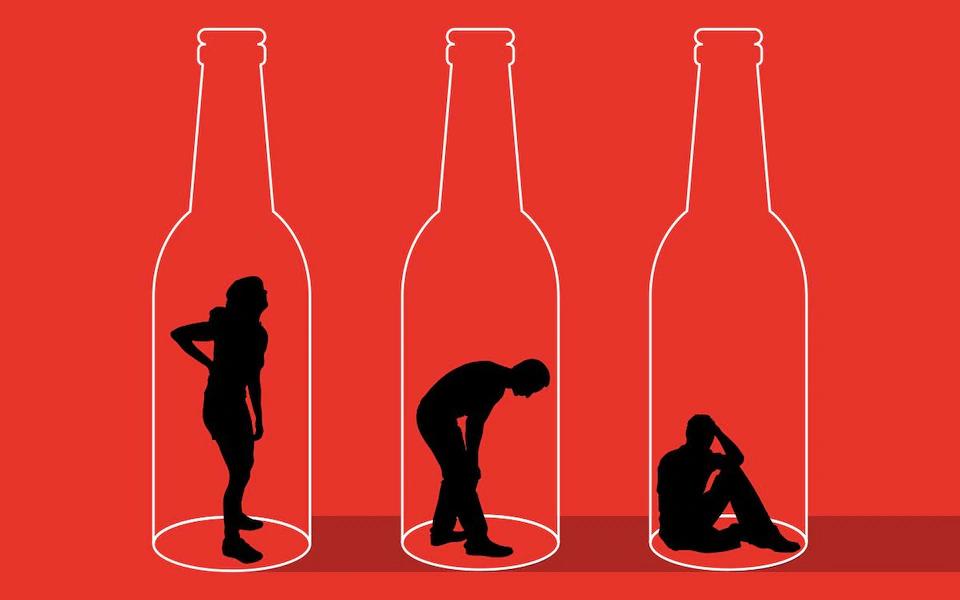
A BAD MIX: Alcohol is linked to age in lots of ways. You have to be old enough to drink it legally, and once you are, it can age you faster than normal. Heavy drinking can have a direct effect on certain parts of your body and on your mental health as you get older. And it can have some unhealthy indirect effects, as well.

IT CAN DEHYDRATE YOU: As you get older, you have less water in your body and -- for reasons that aren’t quite clear --you also feel thirsty less often. That makes seniors more likely to be dehydrated. Drinking alcohol can pull more water out of your body and make your chances of dehydration even higher.

IT CAN DRY YOUR SKIN: Our skin gets thinner and drier as we age. It’s a natural process called intrinsic aging, and it’s something you can’t control. Extrinsic aging is when your skin ages faster than it should because of your environment and how you live. That’s where alcohol comes in -- it dehydrates you and dries out your skin. You can slow that down by drinking less.

IT CAN MAKE VITAL ORGANS WEAKER: Alcohol can affect the way some vital organs work and make them age faster. While heavy drinkers are more likely to have cirrhosis (permanent damage to your liver)even moderate drinking can lead to problems like fatty liver disease. It also can make it harder for your kidneys to do their thing.

IT CAN SLOW YOUR BRAIN: Every alcoholic drink goes “straight to your head,” or at least to your brain. Heavy drinking over a long time can shrink brain cells and lead to alcohol-related brain damage (ARBD) and certain types of dementia. Symptoms of that include lack of judgment, organization, or emotional control, trouble staying focused, and anger issues.

IT CAN WEAKEN YOUR IMMUNE SYSTEM: Alcohol can affect the way your body fights off life-threatening illnesses like tuberculosis or pneumonia. This can be especially serious for older people. Researchers are also studying the possibility that alcoholic liver disease might be caused, at least in part, by your immune system attacking healthy body tissues.

IT CAN AFFECT YOUR HEART: Red wine has antioxidants called polyphenols that may help your cholesterol level and protect your blood vessels. If you drink it in moderation (about one glass a day), some studies show that it might be good for your heart. But too much can lead to an abnormal heartbeat and high blood pressure. So, if you don’t drink, this isn’t a good reason to start.

IT HITS YOU FASTER: People who drink may notice that they’re “feeling no pain” sooner as they get older. That’s mainly because our bodies gain fat and lose muscle in our senior years, and it takes longer for us to break down alcohol and get it out of our system. It also can make hangovers last longer.

IT CAN COMPLICATE THINGS: Alcohol may not only make you more likely to get sick as you age, it also can make common medical problems worse. Studies show that heavy drinkers can have a harder time with things like osteoporosis, diabetes, high blood pressure, stroke, ulcers, memory loss, and certain mood disorders.

IT CAN CHANGE HOW YOUR MEDS WORK: The older you get, the longer alcohol stays in your system. So, it’s more likely to be there when you take medicine.  And alcohol can affect the way your meds work. It can also lead to serious side effects. For example, drinking alcohol when you take aspirin can raise your chances of stomach problems or internal bleeding. Mixing it with certain sleeping pills, pain medications, or anxiety drugs can be life-threatening.

IT CAN MAKE YOU MORE LIKELY TO FALL: Broken bones from a stumble are a serious health issue for seniors. Heavy drinking can make them even more likely. It’s because alcohol can affect your balance and sense of judgment. Over time, it also can damage the cerebellum, the area in your brain that handles balance and coordination.

IT CAN KEEP YOU UP AT NIGHT: The idea of having a drink to relax before bedtime may not be a good one, especially as you get older. Instead of lulling you into a restful night, alcohol can actually keep you from getting to sleep and lead to restless slumber. That can be particularly hard on seniors, who are already more likely to wake up often or have a sleep disorder like insomnia.

YOU CAN DRINK...BUT: As with most things, moderation is key. People older than 65 who don’t take any medications should average no more than one drink a day (seven per week) and have no more than three at one sitting. (A drink is one 12-ounce can or bottle of beer, one 5-ounce glass of wine, or one 1.5-ounce shot of an 80-proof or less liquor.) Talk with your doctor to find out what’s right for you.

MEDICALLY REVIEWED BY: Smitha Bhandari, MD, WebMD, on February 02, 2021

SOURCES:

Cleveland Clinic: “Drink Up: Dehydration Is An Often Overlooked Health Risk For Seniors.”

Cleveland Clinic: “Dehydration Avoidance: Proper Hydration.”

American Academy of Dermatology: “What Causes Our Skin To Age?”

Fatty Liver Foundation: “What Is Cirrhosis?”

National Institute on Alcohol Abuse and Alcoholism: “Alcohol Metabolism: An Update,” “Alcohol and The Immune System,” “Older Adults,” “Mixing Alcohol With Medicines,” “Alcohol and the Cerebellum: Effects on Balance, Motor Coordination and Cognition.”

National Kidney Foundation: “Alcohol and Your Kidneys.”

Alzheimer’s Society: “Alcohol-Related Brain Damage,” “Symptoms of Alcoholic Dementia.”

American Lung Association: “Learn About Pneumonia.”

Oxford Academic: “Tuberculosis and Aging: A Global Health Problem.”

Mayo Clinic: “Red Wine and Resveratrol: Good For Your Heart?”

DrinkAware: “Alcohol and Heart Disease.”

Royal College of Psychiatrists: “Alcohol and Older People.”

National Institute on Aging: “Facts About Aging and Alcohol,” “Alcohol and Medicines.”

Endocrine Society: “Broken Bones Among Older People Increase Risk of Death for Up To 10 Years.”

American Family Physician: “Alcoholism In the Elderly.”

National Sleep Foundation: “Aging and Sleep.”

CDC: “Fact Sheets – Alcohol Use and Your Health.”

Much Love, Dr.Shermaine, #InformativeRead #PleaseShare #HealthyBodySoulAndSpirit #IWantYou2LiveWell #FeelFree2SignUpAndFollow

The Goal is to Always Make You Aware of What Concerns Your Body, Soul and Spirit, So You Can Have Open, Honest and Frequent Discussions With Your Physicians and Counselors. You Can’t Treat or Cure What You Don’t Know is Sick.
 
"It's Not Selfish to Love Yourself, Take Care of Yourself and to Make Your Happiness a Priority. It's a Necessity." (Mandy Hale)

"Self-Care is Not Selfish. You Cannot Serve From an Empty Vessel." (Eleanor Brown)

The contents of the WebMD and Self-Care With Dr. Shermaine Sites, such as text, graphics, images, and other material contained on the WebMD and Self-Care With Dr. Shermaine Sites ("Content") are for informational purposes only. The Content is not intended to be a substitute for professional medical advice, diagnosis, or treatment. Always seek the advice of your physician or other qualified health provider with any questions you may have regarding a medical condition. Never disregard professional medical advice or delay in seeking it because of something you have read on the WebMD and Self-Care With Dr. Shermaine Sites!

If you think you may have a medical emergency, call your doctor or 911 immediately. WebMD and Self-Care With Dr. Shermaine does not recommend or endorse any specific tests, physicians, products, procedures, opinions, or other information that may be mentioned on the Sites. Reliance on any information provided by WebMD, WebMD employees, others appearing on the Site at the invitation of WebMD, and Self-Care With Dr. Shermaine or other visitors to the Sites is solely at your own risk.  


Wednesday, September 8, 2021

“13 Dehydration Symptoms Everyone Should Know, According to Experts”


Dehydration does more than just make you thirsty—it can actually be quite dangerous to your health. Here's how to know when your body is telling you to drink more water, so that you don't let it get to the later stages of dehydration.


WHAT DOES IT MEAN TO BE DEHYDRATED? In general, dehydration occurs when your body loses too much fluid, or more fluid than it's taking in, according to the US National Library of Medicine's resource Medline Plus. You can become dehydrated for a number of reasons, but the main culprits include diarrhea, vomiting, sweating too much, urinating too much, having a fever, or (simply) not drinking enough. And it doesn't take much to become dehydrated: if you lose just 1.5% of the water in your body, you've reached the tipping point of dehydration. While dehydration often shows up as the standard thirsty feeling, the later stages of the condition can actually lead to a loss of consciousness, Jazmine Sutton-Oliver, MD, who works in hospital medicine at the Cleveland Clinic, tells Health. Here's what to know about common dehydration symptoms, including feeling thirsty and passing out—and all the signs in between.


BAD BREATH: Notice your breath smelling the opposite of minty fresh? It could be because you haven't been drinking enough water lately, Marshall Young, DDS, a dentist in Newport Beach, California, tells Health. "Saliva has important antibacterial properties," he says. "When dehydrated, the decreased saliva in the mouth allows bacteria to thrive, resulting in bad breath." Also, while we're talking about your mouth, dehydration can cause it to feel dry, for obvious reasons. So, drink up for your own sake—and for the people around you, too.

SUGAR CRAVINGS: Dehydration can mask itself as hunger, or more specifically as sugar cravings. This is more likely to happen if you’ve been exercising, Amy Goodson, RD, a sports dietitian, tells Health. “When you exercise in a dehydrated state, you use glycogen, or stored carbohydrates, at a faster rate, thus diminishing your stores more quickly.” So, once you finish exercising, you will likely crave carbs (aka sugar) to help you replenish those glycogen levels. Pro tip: Before reaching for a chocolate bar, drink a tall glass of water and wait five minutes. You might not be as hungry as you think. (After that, if you’re still craving something sweet, go ahead and have it.)

DRY SKIN: Your skin will let you know if you haven’t been drinking enough water, Anne Marie Tremaine, MD, a dermatologist at Skin Wellness Physicians in Naples and Marco Island, Florida, tells Health. Dehydrated skin will feel tight and appear dull when you look in the mirror. You may even notice more exaggerated wrinkles or darker-than-usual under eye circles. A quick test if you’re feeling less than hydrated: Pinch your cheek; if it wrinkles with gentle pressure instead of holding its shape, it’s begging you for water. For smooth, moisture-rich skin, Dr. Tremaine also suggests keeping showers short (less than five minutes) and using only lukewarm water, as hot water can dry your skin out even more.

TIREDNESS: That mid-afternoon slump may have more to do with dehydration than you think. A number of the symptoms of dehydration can make you feel sleepy, Luga Podesta, MD, a sports medicine specialist at Bluetail Medical Group in Naples, Florida, tells Health. Physical tasks may also feel more difficult and tiring because your muscles are lacking H2O, which is necessary for them to function properly.

IRRITABILITY: If you're feeling cranky, drink a glass of water and your mood may change. "Neurological effects of dehydration can cause irritability," Dr. Podesta says. A small 2011 study published in the Journal of Nutrition tested mood and concentration in 25 young women who were either given enough fluids to remain properly hydrated, or who became mildly dehydrated by taking diuretics and exercising. The dehydrated women—who were at a hydration level that was just 1% lower than optimal—reported headaches, loss of focus, and irritability.

CHILLS: It may seem counterintuitive, but dehydration can bring on chills. "This occurs because your body starts to limit blood flow to the skin," Dr. Podesta says. In addition, water holds heat, so if you become hydrated it can be more difficult to regulate your body temperature, which can make you get chilly faster, even when you're not in a cold environment.

MUSCLE CRAMPS: When your body isn't getting enough water, it slows down blood circulation, which can make your muscles cramp up, Ray Casciari, MD, a pulmonologist in Orange, California, tells Health. "The body will protect its vital organs, so it shifts fluid away from muscles and anything that's not vital," he says. Changes in sodium and potassium through sweat loss can also contribute to cramping. Cramps can be extremely painful and make muscles feel harder to the touch.

LIGHTHEADEDNESS AND CONFUSION: Along with your muscles, your brain also gets less blood circulation when you're low on water, which can make you dizzy, Dr. Casciari says—and this can constitute a situation when dehydration can warrant medical attention. When a person becomes so dehydrated that they're taken to the emergency room, doctors usually try to get water back into their body very quickly, Dr. Sutton-Oliver explains. "We would give them a liter over an hour" via an IV, she says.


HEADACHE: Dehydration can cause headaches in a couple of different ways. "Lack of water affects your body's serotonin levels, which can give you headaches," Dr. Casciari says. In addition, small blood vessels in the brain respond quickly to hydration levels (which is also the culprit behind those nasty hangover headaches), leading to dull aches and even full-blown migraines. Try downing a glass or two of water the next time you have a headache, and you may find it disappears. You could also eat fruit, which contains a lot of water, Dr. Casciari suggests.

CONSTIPATION: Your body needs water to keep things moving through your colon. When you're not getting enough H2O, your body compensates by withdrawing more fluid from stool, making it harder and more difficult to pass. That said, it's worth noting that drinking more water when you're already properly hydrated won't necessarily relieve constipation caused by other factors, like the medications you're taking, medical conditions, or a lack of fiber in your diet.

DARK-COLORED URINE: One telltale sign of dehydration is dark yellow urine. "A lot of people will notice their urine starts to get concentrated or dark in color," Dr. Sutton-Oliver says. When you're dehydrated, your kidneys, which filter waste, tell your body to retain water. That means you'll have less water in your urine, causing it to become more concentrated with waste products and, therefore, darker. If you notice your urine is darker than usual, reach for your water bottle.

EXCESSIVE THIRST: It might seem obvious but being thirsty is a big hint that you're not as hydrated as you should be, Dr. Sutton-Oliver says. When you get dehydrated, you'll naturally be thirsty, so listen to your body's signals and rehydrate until you've quenched your thirst.


LOW BLOOD PRESSURE: While not drinking enough water can cause a plethora of symptoms, one in particular, low blood pressure, can be especially dangerous, Eric Goldberg, MD, an internal medicine physician at NYU Langone tells Health. But low blood pressure can manifest in a few different ways, including nausea, dizziness, and blurred vision, so it's important to be aware of those, as many of us don't have blood pressure cuffs at home. Low blood pressure can be especially dangerous, as it means your blood isn't getting properly sent to critical organs, including your brain, Dr. Goldberg adds. Certain blood pressure medications act as diuretics, which make the body urinate fluid out of it much faster. People who take these medications are more susceptible to becoming dehydrated, per Dr. Goldberg. The good news? "Most people can fix that simply by drinking water," he explains.


BY: Linda Melone and Maggie O’Neill, Health Magazine, Updated June 17, 2020

Much Love, Dr.Shermaine, #InformativeRead #PleaseShare #HealthyBodySoulAndSpirit #IWantYou2LiveWell #FeelFree2SignUpAndFollow

The Goal is to Always Make You Aware of What Concerns Your Body, Soul and Spirit, So You Can Have Open, Honest and Frequent Discussions With Your Physicians and Counselors. You Can’t Treat or Cure What You Don’t Know is Sick.
 
"It's Not Selfish to Love Yourself, Take Care of Yourself and to Make Your Happiness a Priority. It's a Necessity." (Mandy Hale)

"Self-Care is Not Selfish. You Cannot Serve From an Empty Vessel." (Eleanor Brown)

The contents of the WebMD and Self-Care With Dr. Shermaine Sites, such as text, graphics, images, and other material contained on the WebMD and Self-Care With Dr. Shermaine Sites ("Content") are for informational purposes only. The Content is not intended to be a substitute for professional medical advice, diagnosis, or treatment. Always seek the advice of your physician or other qualified health provider with any questions you may have regarding a medical condition. Never disregard professional medical advice or delay in seeking it because of something you have read on the WebMD and Self-Care With Dr. Shermaine Sites!

If you think you may have a medical emergency, call your doctor or 911 immediately. WebMD and Self-Care With Dr. Shermaine does not recommend or endorse any specific tests, physicians, products, procedures, opinions, or other information that may be mentioned on the Sites. Reliance on any information provided by WebMD, WebMD employees, others appearing on the Site at the invitation of WebMD, and Self-Care With Dr. Shermaine or other visitors to the Sites is solely at your own risk. 
 

Tuesday, August 10, 2021

“31 Fitness and Diet Tips That Anyone Can Benefit From”


Get strong and healthy in no time with these easy, actionable tips.


WANTED: TIPS THAT ACTUALLY WORK - We all want to be our best, healthiest selves, but with so much advice floating around out there, it can be hard to home in on which healthy lifestyle tips are actually worth trying. To make your life a bit easier, we've rounded up a number of our go-to healthy strategies, to help you reach your goals.


STAY HYDRATED: Whether you're heading off to spin class, boot camp, or any other exercise, it's always important to hydrate so you can stay energized and have your best workout. But you don't want to grab just anything for hydration purposes. Electrolyte-loaded athletic drinks, for example, can be a source of unnecessary calories, so "drinking water is usually fine until you're exercising for more than one hour," Jackie Newgent, RD, author of The Big Green Cookbook, tells Health. But if you are working out harder and longer, feel free to go for regular Gatorade-type drinks (and their calories), which can give you a beneficial replenishment boost. But worry not if you like a little flavor during your fitness: There are now lower-cal sports drinks available, adds Newgent, so look out for 'em in your grocery aisles.


FIND A WORKOUT BUDDY: A friend you can work out with is hugely helpful for keeping motivated, but it's important to find someone who will inspire—not discourage. So, make a list of all your exercise-loving friends, then see who fits this criteria, says Andrew Kastor, an ASICS running coach: Can your pal meet to exercise on a regular basis? Is she supportive (not disparaging) of your goals? And last, will your bud be able to keep up with you or even push your limits in key workouts? If you've got someone that fits all three, make that phone call.


STOCK YOUR FRIDGE WITH HEALTHY ITEMS: While there are heaps of good-for-you foods out there, some key ingredients make it a lot easier to meet your weight-loss goals. During your next grocery store run, be sure to place Newgent's top three diet-friendly items in your cart: balsamic vinegar (it adds a pop of low-cal flavor to veggies and salads), in-shell nuts (their protein and fiber keep you satiated), and fat-free plain yogurt (a creamy, comforting source of protein). "Plus, Greek yogurt also works wonders as a natural low-calorie base for dressings and dips—or as a tangier alternative to sour cream," says Newgent.


RELIEVE THOSE ACHY MUSCLES: After a grueling workout, there's a good chance you're going to be feeling it (sore thighs, tight calves, you know the drill). Luckily, you can relieve post-fitness aches by submerging your lower body in a cold bath (50 to 55 degrees Fahrenheit; you may have to throw some ice cubes in to get it cold enough) for 10 to 15 minutes. "Many top athletes use this trick to help reduce soreness after training sessions," Andrew Kastor, tells Health. "An athlete training for an important race should consider getting one to two massages per month to help aid in training recovery," he adds.


CURB YOUR SWEET-TOOTH: Got a late-night sugar craving that just won't quit? "To satisfy your sweet tooth without pushing yourself over the calorie edge, even in the late-night hours, think 'fruit first,'" Newgent says. So, resist that chocolate cake siren, and instead enjoy a sliced apple with a tablespoon of nut butter (like peanut or almond) or fresh fig halves spread with ricotta.


BUY COMFY SNEAKS: You shouldn't buy kicks that hurt—bottom line. "Your shoes should feel comfortable from the first step," Kastor says. So, shop in the evening—your feet swell during the day and stop in the late afternoon, so you want to shop when they're at their biggest. Also make sure the sneaks are a little roomy—enough so that you can wiggle your toes, but no more than that. They should be comfy from the get-go, but Kastor says they'll be even more so once you have a good 20 to 40 miles on 'em.


PICK YOUR PERFECT TUNES: Running with music is a great way to get in a groove (just make sure it's not blasting too loudly, or you won't hear those cars!). To pick the ultimate iPod playlist, think about what gets you going. "I know several elite athletes that listen to what we'd consider 'relaxing' music, such as symphony music, while they do a hard workout," Kastor says. So don't feel like you have to download Lady Gaga because her tunes are supposed to pump you up—go with any music that you find uplifting.


KNOW WHEN (AND HOW OFTEN): It's normal to want to weigh yourself soon after starting a new diet or fitness routine. "It's best to step on the scale in the morning before eating or drinking—and prior to plunging into your daily activities," says Newgent. For the most reliable number, be sure to check your poundage at a consistent time—possibly every week—and don't let yourself get too discouraged by different results (remember: weight fluctuations are totally normal). 


KEEP YOUR PORTIONS IN CHECK: Does your steak take up more than half your plate? Think about cutting your serving of beef in half. That's because it's best to try and fill half your plate with veggies or a mixture of veggies and fresh fruit, says Newgent, so you can get a healthy mix of proteins, fats, and carbs.


SIP SLOWLY: If you know you'll be imbibing with more than one drink, try to order a glass of water between cocktails, says Newgent. That way, you won't rack up more calories than you intend. But your H20 doesn't have to be ho-hum. "Make it festive by ordering the sparkling variety with plenty of fruit, like a lime, lemon, and orange wedge in a martini or highball glass," adds Newgent.


PLAN YOUR RUNS AHEAD OF TIME: When you have a 5 or 10K on your calendar, it's important to plan out what you're going to eat the morning of the big day—something that will keep you fueled and also go down easy. While everyone is different, "we always have good luck with a high-carbohydrate breakfast such as a small bowl of oatmeal with fruit or a couple of pieces of toast with peanut butter or cream cheese," Kastor says, who also advises eating around 200 to 250 (primarily carb) calories about 90 minutes before you warm up for your run. And don't worry about nixing your caffeine fix on race day. "Coffee is great for athletic performances," Kastor adds, because it makes you sharper and may even give you extended energy.

DON’T STRESS OVER A CHEAT DAY: Feeling guilty about that giant ice cream sundae you enjoyed at your niece's birthday party? Don't; it takes a lot of calories—3,500—to gain a pound of body fat. "So really, that one off day doesn't usually result in any significant weight gain," says Newgent. It's about what you do the next day and the day after that's really important—so don't stay off-track, but also don't go overboard. Remember: starvation and excessive exercise are not the healthy answer.

RUN PREPARED: Before you hit the road, make sure you're packing these key staples: a watch to log your total time (or a fancy GPS to track your mileage), an iPod with great amp-you-up music, a cell phone if you don't mind holding onto it, and a RoadID (a bracelet that includes all your vital info, $20; roadid.com). And on a sunny day, wear sunglasses. "They reduce glare, which can decrease squinting, ultimately releasing the tension in your shoulders," Kastor says. And that's a performance bonus, because relaxing them helps conserve energy on your runs.

ADD SOME SPICE TO YOUR FOOD: It's easy to get in a diet rut, even if you're loading up on flavorful fruits and veggies. The solution? Have plenty of spices, fresh herbs, and lemons at your cooking beck and call. "It's amazing what a little dash of spice, sprinkle of herbs, pinch of lemon zest, or squirt of lime juice can do to liven up a dish—and your diet," says Newgent.

KNOW WHEN TO TAKE IT UP A NOTCH: How do you know when to increase your exercise? "The general rule of thumb is to up the amount of miles run, for races half-marathon length and longer, by 5 to 10 percent each week," Kastor says.

HAVE A FRUITY ICE-CREAM SUNDAE: Next time your family or friends decide to make an ice-cream run, don't worry about being left out of the fun! Order a fresh (and super-refreshing) ice cream sundae, piled high with diced kiwi, pineapple, and strawberries. You'll get a serving of delish fruit and satisfy a craving.

SWAP OUT YOUR SHOES: While we've all heard that running shoes break down after logging lots of miles (about 300 to 350), you may still be holding on to your fave pair. But that's not a good idea. "Glue has a tendency to break down under ultraviolet light, as do the other materials that make up the shoe," Kastor says. So even if your sneaks have only 150 miles on them but are more than two years old, recycle them (try oneworldrunning.com or recycledrunners.com), because chances are they've already started deteriorating. And as a rule of thumb, always keep tabs on how many miles you've logged on them—tedious, but hey, you'll be proud of how far you've gone.

SNAG THE RIGHT SUPPORT: Sure, your yoga sports bras work great for downward dogs—but when it comes to running, you'll need one that's designed to lock your chest in for all that pavement pounding. So, what should you look for? "The best sports bras are loose around the chest so you can expand your ribs and diaphragm more effectively. But they should also be form-fitting," says Deena Kastor, an American marathon record holder and 2004 Olympic marathon bronze medalist. Just make sure the cup is made of comfy material (like a soft compression fabric; look for descriptions that include the terms "breathability" and "compression").


RELIEVE THOSE SIDE STITCHES: You know the feeling: a sharp pain just below the rib cage that always seems to pop up when you're working out your hardest. It's called the side stitch, and it can be a major nuisance—especially when it keeps you from completing a workout. To ease the ache (so you can get on with your run), take your fist and press it beneath your rib cage while taking deep breaths from your belly for about 10 steps. In about 30 seconds, the pain should subside, so you can get on back to work.


MOVE YOUR BODY: Sick of that elliptical or bike or workout DVD? That means it's time to mix up your routine Our favorite way: Break a sweat by moving and shaking. Simply make a playlist with your favorite "cut a rug" tunes, then turn up the volume, and start breaking it down. For even more fun, invite some gal pals over and get grooving (and laughing). The best part is that you'll each burn about 200 to 600 calories per hour.


FUEL FOR FITNESS: Planning on picking up the pace tomorrow? Eat food that will help keep you going strong. For breakfast, opt for a high-carbohydrate meal—one similar to what you'll be eating on race day, so you can find out what foods digest best (for you!). Try a whole-grain English muffin or a bagel with peanut butter or a low-fat cream cheese. Then, have a well-rounded meal post-workout to help with recovery. Kastor's favorite? One to two slices French toast with a side of fruit. "The protein-to-carbohydrate ratio is perfect for enhancing my recovery," he says.


SAY GOODBYE TO PEER PRESSURE: Even if you've been eating healthy and exercising, it may be tough to stay on track if your partner, coworkers, or friends don't share your healthy-eating habits. What to do? If your partner loves pizza, try ordering a pie that's heavy on the veggies and light on the cheese—then supplement it with a side salad. And at work, instead of Friday baked-goods day, suggest a Friday "make it healthy" day, and swap in baked pears with cinnamon or mini fruit-and-nut muffins for brownies and blondies.


SAVOR YOUR CARBS: When trying to slim and trim, you may be tempted to take drastic measures like cutting out your carbs. But before you go and add dinner rolls and chips to your "no" list, remember that yummy foods like brown rice, pumpernickel bread, and even potato chips contain resistant starch, a metabolism-boosting carb that keeps you full for longer, which means you won't have to eat as much to feel satiated.


TAKE AN ACTUAL LUNCH BREAK: Munching on your lunch while at the computer could lead to mindless grazing, according to a study in the American Journal of Clinical Nutrition. People who ate their midday meals while playing a computer game ended up eating more cookies 30 minutes later than those who hadn't been gaming. So, carve out 20 minutes a day and eat in your conference room (or outdoors!).


SLATHER UP: There's no denying it: Getting the fresh air from exercising outdoors is great! But along with it, you also get the harmful UV rays. To keep yourself shielded while still having fun in the sun, opt for a sweat-proof screen with SPF 30 or higher (look out for types that say "water-resistant" or "waterproof" on the bottle, terms regulated by the FDA), a lip balm with SPF 15 or higher, a lightweight hat, and sports shades. Also consider trading in your white tee and instead going for a shirt with built-in UV protection (a rating of 30 UVP is necessary to be awarded the Skin Cancer Foundation's "Seal of Recommendation"; a white T-shirt has a rating of 10). And remember, the rays are at their brightest from 10 a.m. to 4 p.m., so try to plan a before-or post-work sweat-session.


SLIM UP YOUR SNACK: It's hard to avoid that 3 p.m. stomach rumble. And while it's fine to eat something to hold you over until dinner (in fact, we encourage it!), some choices may be better than others. So instead of running to the vending machine, try fruit or sliced veggies dipped in hummus.


RUN CHAFE-FREE: There's nothing fun about chafing. You can get the rash (caused by moisture and constant friction) on your thighs, around your sports bra, and even under your arms. To prevent the next occurrence, try rubbing on an anti-chafe stick in any spots that have the potential to chafe. Moisture-wicking fabrics help, too, so if you have a few quick-dry shirts (Nike, Asics, and Under Armour all make 'em), save those for your long runs or tough workouts, when chafing is most likely to occur.


FIND HEALTHY FAST FOOD: Have to work late tonight and need dinner in a hurry? Not to worry. If you find fast food is your only option, pull up the restaurant's nutrition facts online before you go; you can make an informed decision ahead of time about what to order. "Nearly every quick-service restaurant has a relatively healthful option or two," says Newgent. Salads, chili, or grilled chicken are all good options, she says.


UP YOUR FIBER INTAKE: Along with protein and good-for-you fat, fiber is one of those nutrition elements that keeps you full and fueled all day long. And if you're trying to get fit and shed pounds, fiber is your best friend. In fact, in one an American Heart Association study, participants who consuming 30 grams of fiber a day ended up losing weight and improving their heart health. So, when it comes to staying healthy and slim, aim for that 30-gram fiber goal!


WORKOUT IN THE MORNING: Sure, it can be a pain to drag yourself out of bed for a morning workout. But according to a study from Appalachian State University, opting for a 45-minute a.m. sweat sesh could cause a metabolic spike, helping your body continue to burn an additional 190 calories throughout the day.


HAVE A HEARTY BREAKFAST: By now you're probably tired of hearing how breakfast is the most important meal of the day—but this tired piece of advice couldn't be more true! In one study completed at the Imperial College of London, participants who skipped breakfast were more tempted to reach for unhealthy, high-calorie foods later in the day. And in case you need more evidence to eat that a.m. meal, further research found that women had a larger drop in ghrelin (the hunger hormone) when they ate a hearty breakfast versus a small one.

BY: Leslie Barrie, Health Magazine, Updated November 24, 2020

Much Love, Dr.Shermaine, #InformativeRead #PleaseShare #HealthyBodySoulAndSpirit #IWantYou2LiveWell #FeelFree2SignUpAndFollow

The Goal is to Always Make You Aware of What Concerns Your Body, Soul and Spirit, So You Can Have Open, Honest and Frequent Discussions With Your Physicians and Counselors. You Can’t Treat or Cure What You Don’t Know is Sick.
 
"It's Not Selfish to Love Yourself, Take Care of Yourself and to Make Your Happiness a Priority. It's a Necessity." (Mandy Hale)

"Self-Care is Not Selfish. You Cannot Serve From an Empty Vessel." (Eleanor Brown)

The contents of the Health Magazine and Self-Care With Dr. Shermaine Sites, such as text, graphics, images, and other material contained on the Health Magazine and Self-Care With Dr. Shermaine Sites ("Content") are for informational purposes only. The Content is not intended to be a substitute for professional medical advice, diagnosis, or treatment. Always seek the advice of your physician or other qualified health provider with any questions you may have regarding a medical condition. Never disregard professional medical advice or delay in seeking it because of something you have read on the Health Magazine and Self-Care With Dr. Shermaine Sites!

If you think you may have a medical emergency, call your doctor or 911 immediately. Health Magazine and Self-Care With Dr. Shermaine does not recommend or endorse any specific tests, physicians, products, procedures, opinions, or other information that may be mentioned on the Sites. Reliance on any information provided by Health Magazine, Health Magazine employees, others appearing on the Site at the invitation of Health Magazine, and Self-Care With Dr. Shermaine or other visitors to the Sites is solely at your own risk.  
Tuesday, July 6, 2021

“Staying Safe During a Heat Wave”


SWEATING: It’s your natural cooling system. Your body pushes sweat out onto the surface of your skin. As the air absorbs it (evaporation), it draws heat away and cools you down. This works better in drier climates where humidity is low. You might get very tired and sometimes seriously ill if it doesn’t work quickly enough.

HEAT EXHAUSTION: It happens in extreme heat when your body can’t get cool enough and sweats away too much water and salt. You get pale and clammy, and your temperature often goes over 100 degrees. You also may be tired, weak, lightheaded, and nauseated, and have a headache. Get to a cool shaded area, lie down, and drink something with salt and sugar. Sip water if that’s all you have. If you ignore it, it could lead to heatstroke, which is an emergency. 

HEATSTROKE: This is heat at its most dangerous. You can’t control your body temperature, which can go above 104 degrees. Your skin gets warm and dry. You might get confused or agitated, and have a fast pulse, nausea, and a headache. Call 911 right away. Left untreated, it may cause seizures, coma, and can be life-threatening. Get to a cool area, sip something (if you can), and pack ice under your arms and between your legs.

DEHYDRATION: When it’s very hot, you can sweat away too much fluid, along with essential minerals like sodium and potassium. You may be thirsty and pee less than usual, and your mouth and tongue might feel dry. You could even feel dizzy, lightheaded, and confused. Head for a cool place and drink something balanced with salt and sugar (such as an oral rehydration solution). Serious cases need emergency care, including fluids you get through an IV.

HEAT RASH: It happens, often in hot humid weather, when you sweat so much that your sweat glands get blocked. When your pores can’t get rid of it, you break out in tiny red bumps. It’s more likely at your armpits, groin, neck, elbows, and under the breasts. Babies also can have the same type of reaction, especially under their chin or in their groin area, You can help prevent it and treat it if you wear light, loose, absorbent clothing like cotton. Try to stay as cool and dry as possible.

SUNBURN: Bare skin burns if it’s in the sun too long. It may get reddish, itchy, painful, and warm to the touch. If serious, you could have blisters, headache, fever, and nausea. In the long run, sunburn increases the risk of developing skin cancer, Go inside as soon as possible. Drink plenty of water, and don’t pop any blisters. A cold, damp cloth and aloe vera lotions may help soothe the pain. Better yet, prevent sunburn with clothes, hats, and broad-spectrum sunscreen of at least 30 SPF.

FAINTING: It’s more likely when you’re new to a hot place, so take care to stay hydrated. Heat can dehydrate you and make it harder for your brain to get enough blood. That may make you dizzy and pass out. It might be worse if you stand for a long time or get up suddenly. Getting used to a hotter place can take up to 2 weeks. If you feel faint, lie down and raise your legs above your head. Go to a cool area and drink fluids as soon as possible.

HEAT EDEMA: Heat can cause your fingers, toes, or ankles to swell and make your skin feel tight. It's not serious and usually goes away when you cool down and elevate your legs. Talk to your doctor if it causes pain, keeps happening, or doesn't get better.

HIGHER HEART RATE: When you get hot, your heart may beat faster. It does that in order to pump more blood to your skin, where it can release some of that extra heat. As a result, other parts of your body may not get enough blood. This could make you tired and sluggish, especially if you’re trying to do hard physical or mental work.

LOWER BLOOD PRESSURE: When you’re hot, you sweat. That makes you lose fluids and electrolytes. In addition, heat makes your blood vessels dilate to increase sweating. Together, these things can drop your blood pressure, sometimes enough to make you dizzy or even pass out. It could be even worse if your heart doesn’t pump normally and isn’t able to adjust to the greater demand.

CONFUSION: You may find it harder to concentrate and do hard tasks as things heat up. It’s usually nothing to worry about, and you can fix it with rest in a cool place and something to drink. But if you’re already sick from the heat and you become seriously confused about where you are or what you’re doing, it could be a sign of heatstroke, which needs immediate medical care. 

SHOULD YOU EXERCISE IN THE HEAT? You might be fine exercising outside when it’s 85 degrees and the humidity is low. But if the humidity hits 80%, it’s like it’s really 97 degrees. (That’s the “effective temperature,” which you can check online.) Even if you’re healthy, that makes you more likely to get heat exhaustion. Wear loose clothing, drink plenty of water, and know the signs of heat-related illness. Or just take your workout indoors!


PRECAUTIONS: When a heat wave hits: 

  • Drink lots of water, even if you’re not thirsty.
  • Avoid caffeine and alcohol, which dehydrate you.
  • Eat lighter meals, more often.
  • Wear lightweight, light-colored clothing.
  • Check on loved ones who live alone or don’t have air conditioning.
  • Stay inside as much as possible and avoid outdoor chores.
  • Never leave a child or pet alone in a car, even if it’s not that hot outside.

EXTREME HEAT: It can be life-threatening, and heat exhaustion and heatstroke aren't the only reasons. Heat can also trigger heart issues, and even worsen breathing problems, as it boosts air pollution. Your city or local health department may have online information about where to find public pools, air-conditioned spaces, medical assistance, and other help during a heat wave.

REVIEWED BY: Sabrina Felson, MD, WebMD on June 12, 2020

SOURCES:

American Academy of Dermatology: “Treating Sunburn.”

American Council on Exercise: “Considerations for Exercising in the Heat.”

Canadian Centre for Occupational Health and Safety: “Hot Environments -- Health Effects and First Aid.”

CDC: “Extreme Heat Can Impact Our Health in Many Ways,” “Warning Signs and Symptoms of Heat-Related Illness.”

Familydoctor.org: “Heat Rash.”

Harvard Health Publishing: “Heat is hard on the heart; simple precautions can ease the strain.”

Johns Hopkins Medicine: “Heat-Related Illnesses (Heat Cramps, Heat Exhaustion, Heat Stroke).”

Mayo Clinic: “Sunburn.”

NIH News in Health: “Stay Cool.”

PubMed Health: “Edema.”

The Red Cross: “Heat Wave Safety.”

University of Connecticut Korey Stringer Institute: “Heat Syncope.”

Much Love, Dr.Shermaine, #InformativeRead #PleaseShare #HealthyBodySoulAndSpirit #IWantYou2LiveWell #FeelFree2SignUpAndFollow

The Goal is to Always Make You Aware of What Concerns Your Body, Soul and Spirit, So You Can Have Open, Honest and Frequent Discussions With Your Physicians and Counselors. You Can’t Treat or Cure What You Don’t Know is Sick.
 
"It's Not Selfish to Love Yourself, Take Care of Yourself and to Make Your Happiness a Priority. It's a Necessity." (Mandy Hale)

"Self-Care is Not Selfish. You Cannot Serve From an Empty Vessel." (Eleanor Brown)

The contents of the WebMD and Self-Care With Dr. Shermaine Sites, such as text, graphics, images, and other material contained on the WebMD and Self-Care With Dr. Shermaine Sites ("Content") are for informational purposes only. The Content is not intended to be a substitute for professional medical advice, diagnosis, or treatment. Always seek the advice of your physician or other qualified health provider with any questions you may have regarding a medical condition. Never disregard professional medical advice or delay in seeking it because of something you have read on the WebMD and Self-Care With Dr. Shermaine Sites!

If you think you may have a medical emergency, call your doctor or 911 immediately. WebMD and Self-Care With Dr. Shermaine does not recommend or endorse any specific tests, physicians, products, procedures, opinions, or other information that may be mentioned on the Sites. Reliance on any information provided by WebMD, WebMD employees, others appearing on the Site at the invitation of WebMD, and Self-Care With Dr. Shermaine or other visitors to the Sites is solely at your own risk.  

"13 Ways to Use Apple Cider Vinegar That Will Change Your Life!"

    Of all the well-touted natural health remedies that exist today, very few are followed quite as religiously as taking a tablespoon or tw...