Search This Blog

Showing posts with label Skin. Show all posts

Monday, August 1, 2022

"Alcohol and the Aging Process"


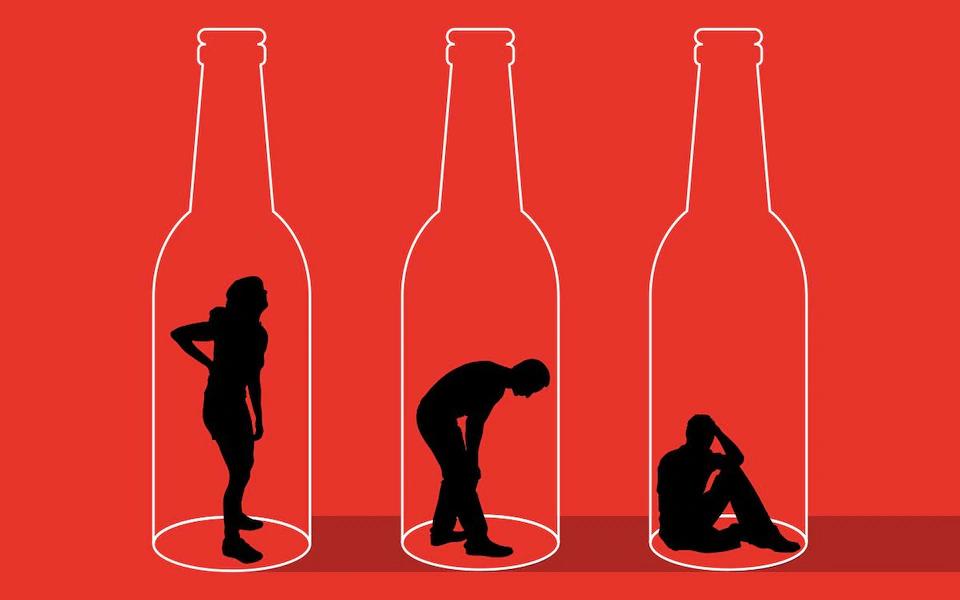
A BAD MIX: Alcohol is linked to age in lots of ways. You have to be old enough to drink it legally, and once you are, it can age you faster than normal. Heavy drinking can have a direct effect on certain parts of your body and on your mental health as you get older. And it can have some unhealthy indirect effects, as well.

IT CAN DEHYDRATE YOU: As you get older, you have less water in your body and -- for reasons that aren’t quite clear --you also feel thirsty less often. That makes seniors more likely to be dehydrated. Drinking alcohol can pull more water out of your body and make your chances of dehydration even higher.

IT CAN DRY YOUR SKIN: Our skin gets thinner and drier as we age. It’s a natural process called intrinsic aging, and it’s something you can’t control. Extrinsic aging is when your skin ages faster than it should because of your environment and how you live. That’s where alcohol comes in -- it dehydrates you and dries out your skin. You can slow that down by drinking less.

IT CAN MAKE VITAL ORGANS WEAKER: Alcohol can affect the way some vital organs work and make them age faster. While heavy drinkers are more likely to have cirrhosis (permanent damage to your liver), even moderate drinking can lead to problems like fatty liver disease. It also can make it harder for your kidneys to do their thing.

IT CAN SLOW YOUR BRAIN: Every alcoholic drink goes “straight to your head,” or at least to your brain. Heavy drinking over a long time can shrink brain cells and lead to alcohol-related brain damage (ARBD) and certain types of dementia. Symptoms of that include lack of judgment, organization, or emotional control, trouble staying focused, and anger issues.

IT CAN WEAKEN YOUR IMMUNE SYSTEM: Alcohol can affect the way your body fights off life-threatening illnesses like tuberculosis or pneumonia. This can be especially serious for older people. Researchers are also studying the possibility that alcoholic liver disease might be caused, at least in part, by your immune system attacking healthy body tissues.

IT CAN AFFECT YOUR HEART: Red wine has antioxidants called polyphenols that may help your cholesterol level and protect your blood vessels. If you drink it in moderation (about one glass a day), some studies show that it might be good for your heart. But too much can lead to an abnormal heartbeat and high blood pressure. So, if you don’t drink, this isn’t a good reason to start.

IT HITS YOU FASTER: People who drink may notice that they’re “feeling no pain” sooner as they get older. That’s mainly because our bodies gain fat and lose muscle in our senior years, and it takes longer for us to break down alcohol and get it out of our system. It also can make hangovers last longer.

IT CAN COMPLICATE THINGS: Alcohol may not only make you more likely to get sick as you age, it also can make common medical problems worse. Studies show that heavy drinkers can have a harder time with things like osteoporosis, diabetes, high blood pressure, stroke, ulcers, memory loss, and certain mood disorders.

IT CAN CHANGE HOW YOUR MEDS WORK: The older you get, the longer alcohol stays in your system. So, it’s more likely to be there when you take medicine.  And alcohol can affect the way your meds work. It can also lead to serious side effects. For example, drinking alcohol when you take aspirin can raise your chances of stomach problems or internal bleeding. Mixing it with certain sleeping pills, pain medications, or anxiety drugs can be life-threatening.

IT CAN MAKE YOU MORE LIKELY TO FALL: Broken bones from a stumble are a serious health issue for seniors. Heavy drinking can make them even more likely. It’s because alcohol can affect your balance and sense of judgment. Over time, it also can damage the cerebellum, the area in your brain that handles balance and coordination.

IT CAN KEEP YOU UP AT NIGHT: The idea of having a drink to relax before bedtime may not be a good one, especially as you get older. Instead of lulling you into a restful night, alcohol can actually keep you from getting to sleep and lead to restless slumber. That can be particularly hard on seniors, who are already more likely to wake up often or have a sleep disorder like insomnia.

YOU CAN DRINK...BUT: As with most things, moderation is key. People older than 65 who don’t take any medications should average no more than one drink a day (seven per week) and have no more than three at one sitting. (A drink is one 12-ounce can or bottle of beer, one 5-ounce glass of wine, or one 1.5-ounce shot of an 80-proof or less liquor.) Talk with your doctor to find out what’s right for you.

MEDICALLY REVIEWED BY: Smitha Bhandari, MD, WebMD, on February 02, 2021

SOURCES:

Cleveland Clinic: “Drink Up: Dehydration Is An Often Overlooked Health Risk For Seniors.”

Cleveland Clinic: “Dehydration Avoidance: Proper Hydration.”

American Academy of Dermatology: “What Causes Our Skin To Age?”

Fatty Liver Foundation: “What Is Cirrhosis?”

National Institute on Alcohol Abuse and Alcoholism: “Alcohol Metabolism: An Update,” “Alcohol and The Immune System,” “Older Adults,” “Mixing Alcohol With Medicines,” “Alcohol and the Cerebellum: Effects on Balance, Motor Coordination and Cognition.”

National Kidney Foundation: “Alcohol and Your Kidneys.”

Alzheimer’s Society: “Alcohol-Related Brain Damage,” “Symptoms of Alcoholic Dementia.”

American Lung Association: “Learn About Pneumonia.”

Oxford Academic: “Tuberculosis and Aging: A Global Health Problem.”

Mayo Clinic: “Red Wine and Resveratrol: Good For Your Heart?”

DrinkAware: “Alcohol and Heart Disease.”

Royal College of Psychiatrists: “Alcohol and Older People.”

National Institute on Aging: “Facts About Aging and Alcohol,” “Alcohol and Medicines.”

Endocrine Society: “Broken Bones Among Older People Increase Risk of Death for Up To 10 Years.”

American Family Physician: “Alcoholism In the Elderly.”

National Sleep Foundation: “Aging and Sleep.”

CDC: “Fact Sheets – Alcohol Use and Your Health.”

Much Love, Dr.Shermaine, #InformativeRead #PleaseShare #HealthyBodySoulAndSpirit #IWantYou2LiveWell #FeelFree2SignUpAndFollow

The Goal is to Always Make You Aware of What Concerns Your Body, Soul and Spirit, So You Can Have Open, Honest and Frequent Discussions With Your Physicians and Counselors. You Can’t Treat or Cure What You Don’t Know is Sick.
 
"It's Not Selfish to Love Yourself, Take Care of Yourself and to Make Your Happiness a Priority. It's a Necessity." (Mandy Hale)

"Self-Care is Not Selfish. You Cannot Serve From an Empty Vessel." (Eleanor Brown)

The contents of the WebMD and Self-Care With Dr. Shermaine Sites, such as text, graphics, images, and other material contained on the WebMD and Self-Care With Dr. Shermaine Sites ("Content") are for informational purposes only. The Content is not intended to be a substitute for professional medical advice, diagnosis, or treatment. Always seek the advice of your physician or other qualified health provider with any questions you may have regarding a medical condition. Never disregard professional medical advice or delay in seeking it because of something you have read on the WebMD and Self-Care With Dr. Shermaine Sites!

If you think you may have a medical emergency, call your doctor or 911 immediately. WebMD and Self-Care With Dr. Shermaine does not recommend or endorse any specific tests, physicians, products, procedures, opinions, or other information that may be mentioned on the Sites. Reliance on any information provided by WebMD, WebMD employees, others appearing on the Site at the invitation of WebMD, and Self-Care With Dr. Shermaine or other visitors to the Sites is solely at your own risk.  


Friday, December 10, 2021

“Better Skin After 50”


GET GLOWING SKIN NOW: Your wisdom and confidence may grow as you get older, but the same isn't true for many of your hormone levels. During menopause, lower levels of estrogen have a big impact on your skin. Less estrogen makes you prone to thinning, sagging, and wrinkling. Fortunately, you can relieve some of the skin-related effects of aging by taking care of your specific skin care needs.

YOUR SKIN AND MENOPAUSE: Menopause causes many changes to your skin. Your body stops making as much collagen. You lose some fat under your skin and your skin's elasticity drops. That, combined with dryness caused by hormonal changes, can cause sagging -- especially around the neck, jawline, and cheeks -- and fine lines and wrinkles. The lines and wrinkles you get with menopause are often crow's feet and lines above the upper lip.

CLEAN UP! Cleansing is an important skin care step -- especially as you age. As you get older and your skin gets drier, your skin especially can benefit from extra moisture. The key is using a cleanser that's right for drier skin. So, opt for a creamy formula that hydrates instead of foam or gel cleansers, which can strip moisture away.

HYDRATE, HYDRATE, HYDRATE: After menopause, your skin gets drier because oil glands aren't as active. Try to give skin more moisture with a heavier cream. Skip long, hot showers and put on moisturizer while your skin is still damp. That helps boost hydration.

YOU STILL NEED SPF: Even though skin cancer and wrinkling are caused by the amount of sun you got in your 20s, 30s, and 40s, you still need to protect your skin. Why? Skin may have less natural protection than when you were younger. So, look for a broad-spectrum SPF of 30 or higher, and wear it every day.

MINIMIZE WRINKLED SKIN: You get wrinkles from too much sun damage over the years, as well as the hormonal changes of menopause. As your hormone levels decrease with age, that can change your skin quality and make wrinkles worse.  Wrinkles may be more obvious when your skin is dry, especially as you age. Use moisturizer on your face, jawline and neck every day, and look for skin care products designed to help fight fine lines and sagging and that lead to a brighter appearance overall.

HIT THE SPOTS: Age spots on the face, hands, and chest can look more obvious around menopause. Help prevent them by using sunscreen every day. Already got spots? Fade them with exfoliating products that shed dead skin cells, which can be dull and flaky. Skin-lightening products can help fade spots. Toners can also help even out skin color.

HELP YOUR HANDS: The backs of your hands can lose moisture, collagen, and fat during menopause. That can make veins more obvious and skin more wrinkled. Plus, your skin can look see-through and bony. To reduce the look of wrinkles, use moisturizer often on your hands. Protect them from the sun.  And wear gloves when doing house or yard work.

EAT YOUR ANTIOXIDANTS: Collagen gives your skin its youthful plumpness and keeps your skin tight. As your estrogen levels drop, so does the collagen in your skin. Eating foods with antioxidants may help make your skin stronger from the inside out. Look for brightly colored fruits and vegetables (they get their color from these healthy compounds) and try to eat every color of the spectrum.

STOCK UP ON SOY: Soy is rich in isoflavones, plant-based compounds that seem to act like estrogen in the body. Isoflavones may help improve age-related changes like thinning skin. Experts believe about 50 mg of isoflavones -- that's like 3 ounces of tempeh or a half cup of miso -- a day can help menopausal women in other ways, too.


LOOK FOR BALANCE: Stress can make your skin drier and more sensitive. It can also trigger conditions like psoriasis. And if you're stressed out, you might even forget your skin care routine. Try yoga, meditation, and other stress-reduction techniques to help you relax.

WORK IT OUT: Exercise does more than just tone your muscles. It helps skin in two ways. First, it relieves stress. Exercise also boosts circulation, which begins to slow with age. The extra oxygen and blood flow can help your skin look brighter and healthier.

BULK UP ON BEAUTY SLEEP: Getting enough sleep helps your skin look fresh. Sleep can help prevent dark circles under your eyes, and it also gives the rest of your body a chance to recharge. Lack of sleep can change your hormone levels and metabolism in many of the same ways that aging does. So, shoot for a solid 7 to 9 hours of shut-eye every night.

MEDICALLY REVIEWED BY: Traci C. Johnson, MD, WebMD on August 16, 2021

SOURCES:

American Academy of Dermatology: "10 Tips: Selecting Age-Fighting Topicals," "Busy moms deserve a hand: Dermatologists offer tips to prevent premature aging of the hands," "Causes of Aging Skin," "Mature Skin," "Stress and Skin."
Leslie Baumann, MD, cosmetic dermatologist, Miami, Fla.
Mary Lupo, MD, dermatologist, New Orleans, La., clinical professor of dermatology, Tulane University School of Medicine.
Mitchell Matez, DO, general surgeon and specialist in alternative and complementary medicine, Boca Raton, Fla.
National Women's Health Network: "Menopause, Hormone Therapy, & Aging Skin – Is There a Connection?"
News release, The University of Chicago.
News release, The University of Delaware.
Marina Peredo, MD, dermatologist, Smithtown, N.Y.
Polito, F. British Journal of Pharmacology, February 2012.
Raine-Fenning, N. American Journal of Clinical Dermatology, 2003.

Much Love, Dr.Shermaine, #InformativeRead #PleaseShare #HealthyBodySoulAndSpirit #IWantYou2LiveWell #FeelFree2SignUpAndFollow

The Goal is to Always Make You Aware of What Concerns Your Body, Soul and Spirit, So You Can Have Open, Honest and Frequent Discussions With Your Physicians and Counselors. You Can’t Treat or Cure What You Don’t Know is Sick.
 
"It's Not Selfish to Love Yourself, Take Care of Yourself and to Make Your Happiness a Priority. It's a Necessity." (Mandy Hale)

"Self-Care is Not Selfish. You Cannot Serve From an Empty Vessel." (Eleanor Brown)

The contents of the WebMD and Self-Care With Dr. Shermaine Sites, such as text, graphics, images, and other material contained on the WebMD and Self-Care With Dr. Shermaine Sites ("Content") are for informational purposes only. The Content is not intended to be a substitute for professional medical advice, diagnosis, or treatment. Always seek the advice of your physician or other qualified health provider with any questions you may have regarding a medical condition. Never disregard professional medical advice or delay in seeking it because of something you have read on the WebMD and Self-Care With Dr. Shermaine Sites!

If you think you may have a medical emergency, call your doctor or 911 immediately. WebMD and Self-Care With Dr. Shermaine does not recommend or endorse any specific tests, physicians, products, procedures, opinions, or other information that may be mentioned on the Sites. Reliance on any information provided by WebMD, WebMD employees, others appearing on the Site at the invitation of WebMD, and Self-Care With Dr. Shermaine or other visitors to the Sites is solely at your own risk. 

Wednesday, September 8, 2021

“13 Dehydration Symptoms Everyone Should Know, According to Experts”


Dehydration does more than just make you thirsty—it can actually be quite dangerous to your health. Here's how to know when your body is telling you to drink more water, so that you don't let it get to the later stages of dehydration.


WHAT DOES IT MEAN TO BE DEHYDRATED? In general, dehydration occurs when your body loses too much fluid, or more fluid than it's taking in, according to the US National Library of Medicine's resource Medline Plus. You can become dehydrated for a number of reasons, but the main culprits include diarrhea, vomiting, sweating too much, urinating too much, having a fever, or (simply) not drinking enough. And it doesn't take much to become dehydrated: if you lose just 1.5% of the water in your body, you've reached the tipping point of dehydration. While dehydration often shows up as the standard thirsty feeling, the later stages of the condition can actually lead to a loss of consciousness, Jazmine Sutton-Oliver, MD, who works in hospital medicine at the Cleveland Clinic, tells Health. Here's what to know about common dehydration symptoms, including feeling thirsty and passing out—and all the signs in between.


BAD BREATH: Notice your breath smelling the opposite of minty fresh? It could be because you haven't been drinking enough water lately, Marshall Young, DDS, a dentist in Newport Beach, California, tells Health. "Saliva has important antibacterial properties," he says. "When dehydrated, the decreased saliva in the mouth allows bacteria to thrive, resulting in bad breath." Also, while we're talking about your mouth, dehydration can cause it to feel dry, for obvious reasons. So, drink up for your own sake—and for the people around you, too.

SUGAR CRAVINGS: Dehydration can mask itself as hunger, or more specifically as sugar cravings. This is more likely to happen if you’ve been exercising, Amy Goodson, RD, a sports dietitian, tells Health. “When you exercise in a dehydrated state, you use glycogen, or stored carbohydrates, at a faster rate, thus diminishing your stores more quickly.” So, once you finish exercising, you will likely crave carbs (aka sugar) to help you replenish those glycogen levels. Pro tip: Before reaching for a chocolate bar, drink a tall glass of water and wait five minutes. You might not be as hungry as you think. (After that, if you’re still craving something sweet, go ahead and have it.)

DRY SKIN: Your skin will let you know if you haven’t been drinking enough water, Anne Marie Tremaine, MD, a dermatologist at Skin Wellness Physicians in Naples and Marco Island, Florida, tells Health. Dehydrated skin will feel tight and appear dull when you look in the mirror. You may even notice more exaggerated wrinkles or darker-than-usual under eye circles. A quick test if you’re feeling less than hydrated: Pinch your cheek; if it wrinkles with gentle pressure instead of holding its shape, it’s begging you for water. For smooth, moisture-rich skin, Dr. Tremaine also suggests keeping showers short (less than five minutes) and using only lukewarm water, as hot water can dry your skin out even more.

TIREDNESS: That mid-afternoon slump may have more to do with dehydration than you think. A number of the symptoms of dehydration can make you feel sleepy, Luga Podesta, MD, a sports medicine specialist at Bluetail Medical Group in Naples, Florida, tells Health. Physical tasks may also feel more difficult and tiring because your muscles are lacking H2O, which is necessary for them to function properly.

IRRITABILITY: If you're feeling cranky, drink a glass of water and your mood may change. "Neurological effects of dehydration can cause irritability," Dr. Podesta says. A small 2011 study published in the Journal of Nutrition tested mood and concentration in 25 young women who were either given enough fluids to remain properly hydrated, or who became mildly dehydrated by taking diuretics and exercising. The dehydrated women—who were at a hydration level that was just 1% lower than optimal—reported headaches, loss of focus, and irritability.

CHILLS: It may seem counterintuitive, but dehydration can bring on chills. "This occurs because your body starts to limit blood flow to the skin," Dr. Podesta says. In addition, water holds heat, so if you become hydrated it can be more difficult to regulate your body temperature, which can make you get chilly faster, even when you're not in a cold environment.

MUSCLE CRAMPS: When your body isn't getting enough water, it slows down blood circulation, which can make your muscles cramp up, Ray Casciari, MD, a pulmonologist in Orange, California, tells Health. "The body will protect its vital organs, so it shifts fluid away from muscles and anything that's not vital," he says. Changes in sodium and potassium through sweat loss can also contribute to cramping. Cramps can be extremely painful and make muscles feel harder to the touch.

LIGHTHEADEDNESS AND CONFUSION: Along with your muscles, your brain also gets less blood circulation when you're low on water, which can make you dizzy, Dr. Casciari says—and this can constitute a situation when dehydration can warrant medical attention. When a person becomes so dehydrated that they're taken to the emergency room, doctors usually try to get water back into their body very quickly, Dr. Sutton-Oliver explains. "We would give them a liter over an hour" via an IV, she says.


HEADACHE: Dehydration can cause headaches in a couple of different ways. "Lack of water affects your body's serotonin levels, which can give you headaches," Dr. Casciari says. In addition, small blood vessels in the brain respond quickly to hydration levels (which is also the culprit behind those nasty hangover headaches), leading to dull aches and even full-blown migraines. Try downing a glass or two of water the next time you have a headache, and you may find it disappears. You could also eat fruit, which contains a lot of water, Dr. Casciari suggests.

CONSTIPATION: Your body needs water to keep things moving through your colon. When you're not getting enough H2O, your body compensates by withdrawing more fluid from stool, making it harder and more difficult to pass. That said, it's worth noting that drinking more water when you're already properly hydrated won't necessarily relieve constipation caused by other factors, like the medications you're taking, medical conditions, or a lack of fiber in your diet.

DARK-COLORED URINE: One telltale sign of dehydration is dark yellow urine. "A lot of people will notice their urine starts to get concentrated or dark in color," Dr. Sutton-Oliver says. When you're dehydrated, your kidneys, which filter waste, tell your body to retain water. That means you'll have less water in your urine, causing it to become more concentrated with waste products and, therefore, darker. If you notice your urine is darker than usual, reach for your water bottle.

EXCESSIVE THIRST: It might seem obvious but being thirsty is a big hint that you're not as hydrated as you should be, Dr. Sutton-Oliver says. When you get dehydrated, you'll naturally be thirsty, so listen to your body's signals and rehydrate until you've quenched your thirst.


LOW BLOOD PRESSURE: While not drinking enough water can cause a plethora of symptoms, one in particular, low blood pressure, can be especially dangerous, Eric Goldberg, MD, an internal medicine physician at NYU Langone tells Health. But low blood pressure can manifest in a few different ways, including nausea, dizziness, and blurred vision, so it's important to be aware of those, as many of us don't have blood pressure cuffs at home. Low blood pressure can be especially dangerous, as it means your blood isn't getting properly sent to critical organs, including your brain, Dr. Goldberg adds. Certain blood pressure medications act as diuretics, which make the body urinate fluid out of it much faster. People who take these medications are more susceptible to becoming dehydrated, per Dr. Goldberg. The good news? "Most people can fix that simply by drinking water," he explains.


BY: Linda Melone and Maggie O’Neill, Health Magazine, Updated June 17, 2020

Much Love, Dr.Shermaine, #InformativeRead #PleaseShare #HealthyBodySoulAndSpirit #IWantYou2LiveWell #FeelFree2SignUpAndFollow

The Goal is to Always Make You Aware of What Concerns Your Body, Soul and Spirit, So You Can Have Open, Honest and Frequent Discussions With Your Physicians and Counselors. You Can’t Treat or Cure What You Don’t Know is Sick.
 
"It's Not Selfish to Love Yourself, Take Care of Yourself and to Make Your Happiness a Priority. It's a Necessity." (Mandy Hale)

"Self-Care is Not Selfish. You Cannot Serve From an Empty Vessel." (Eleanor Brown)

The contents of the WebMD and Self-Care With Dr. Shermaine Sites, such as text, graphics, images, and other material contained on the WebMD and Self-Care With Dr. Shermaine Sites ("Content") are for informational purposes only. The Content is not intended to be a substitute for professional medical advice, diagnosis, or treatment. Always seek the advice of your physician or other qualified health provider with any questions you may have regarding a medical condition. Never disregard professional medical advice or delay in seeking it because of something you have read on the WebMD and Self-Care With Dr. Shermaine Sites!

If you think you may have a medical emergency, call your doctor or 911 immediately. WebMD and Self-Care With Dr. Shermaine does not recommend or endorse any specific tests, physicians, products, procedures, opinions, or other information that may be mentioned on the Sites. Reliance on any information provided by WebMD, WebMD employees, others appearing on the Site at the invitation of WebMD, and Self-Care With Dr. Shermaine or other visitors to the Sites is solely at your own risk. 
 

Tuesday, April 27, 2021

“Why You Need to Get Enough Sleep?”


IT’S EASIER TO LEARN: Can’t focus? It’s hard to do when you haven’t slept. You’ll also have trouble learning new stuff. And when you do, you’ll need some shut eye to remember it. Doctors call this consolidation -- sleep strengthens the links between brain cells that form memories. That’s what makes learning stick.

FEWER ACCIDENTS: Sleepy drivers cause at least 100,000 highway crashes a year. Nodding off at the wheel isn’t the only problem. A lack of rest can lead to a drop in what doctors call mental performance. You’re less motivated, focused, and happy. And you don’t think as clearly. This doesn’t just apply to road warriors. One study showed hospitals could cut mistakes by more than a third if they gave doctors more time to sleep.

IT’S A MOOD BOOSTER: Do you get a little snippy when you’re short on sleep? That’s normal. Just one bad night can make you sad, stressed, angry, and tired. If the trouble lasts, you may start to feel worse about your life. You might not want to hang out with friends and family. Over time this can lead to mood disorders like depression or anxiety. A better sleep routine is the answer. Talk to your doctor if it doesn’t help or if your symptoms get in the way of your life. 

A HEALTHIER HEART: Sleep less than 6 hours a night? You’re more likely to get heart disease. Doctors aren’t sure how it works, but they know lack of sleep raises blood pressure, stokes your stress, and boosts adrenaline. Each can take a toll on your ticker. 

BETTER MEMORY: It’s a triple whammy. If you haven’t slept, it’s harder to recall things. You also need sleep to create bonds between brain cells that strengthen your long-term memory. Finally, if your mind’s all over the place due to lack of rest, it’s harder for it to file away the things you want to remember. 

LESS CHANCE OF DIABETES: When you don’t sleep much, especially if it’s less than 5 hours a night, your body doesn’t use glucose, its main fuel source, as well as it should. Over time that can boost your chances of getting diabetes.

MORE FUN IN THE BEDROOM: Not as many rolls in the hay? Maybe you and your partner need a little more shut-eye. Lack of sleep can zap your testosterone levels. That can make both women and men feel less frisky. If you're a woman, just 1 extra hour of sleep makes it more likely that you'll get your groove on the next day. 

FEWER WRINKLES: Cut your slumber short on a regular basis and your skin might wrinkle and sag before it should. That’s partly because your body releases the stress hormone cortisol when you haven’t had enough sleep. It can break down collagen, a substance that helps keep your skin smooth.  

YOU’LL CHOOSE WISELY: Your judgment goes down the tubes without enough sleep. Overworked brain cells can’t organize or even recall the things you thought you knew. It’s hard to make a sound decision because you can’t trust your take on an event as it happens. It might look far different if you were properly rested.  

YOU MIGHT LOSE WEIGHT: If you sleep less than 6 hours a night, you could have more body fat. You need about 8 hours to keep it to a minimum. When you get less sleep, your body makes too much insulin. That can lead to weight gain. It can also throw your hunger hormones out of whack and make you crave high-fat, high-sugar foods. 


YOU COULD LIVE LONGER: You’re more likely to die at a younger age if you sleep less than 5 hours a night. It’s hard to tease out all the reasons, but it’s clear that sleep problems make some health issues worse. By the same token, health problems can also get in the way of good sleep.  

FEWER COLDS: Flu, too. You’re more likely to get sick from an infection if you haven’t slept enough. And you may take longer to get better. That’s because your body can’t make the infection-fighting cells and proteins called antibodies that help protect you from illness. Some of those proteins are only released during sleep. 

NO MORE NODDING OFF: You know when you fall asleep for a split second and wake right back up? Maybe you don’t even realize you’ve nodded off? There’s a name for that: microsleep. You can't control when, or if, it happens. You might not even realize when it does. It’s more likely when you haven’t slept and usually lasts from half a second to 15 seconds. That may not sound like much, but even a split second is a lot if you’re driving a car or in a big meeting.

HOW MUCH SLEEP DO YOU NEED? It depends on your age. Each person has different needs. In general:

  • School-age children: At least 10 hours
  • Teens: 9 to 10.5 hours
  • Adults: 7 to 8 hours
  • Many of us don’t get enough. Most adults say they get 6 hours or less. Only a third of school students log the full 8 hours on an average school night. 

HOW TO SLEEP BETTER: Stick to a routine. Go to bed and wake up at the same time every day, even on weekends. Stay quiet and relaxed as bedtime approaches. Dim any bright lights. Don’t do anything stressful. Both can make it hard to fall asleep. Skip naps if you have trouble at bedtime. Move around every day. Hard exercise seems to work best, but any kind helps. Try to keep your bedroom cool: 60-67 degrees is ideal.

REVIEWED BY: Minesh Khatri, MD, WebMD on July 11, 2019

Harvard Medical School Division of Sleep Medicine: “Sleep and Disease Risk,” “Sleep, Learning, and Memory,” “Sleep, Performance, and Public Safety.”

National Sleep Foundation: “Healthy Sleep Tips,” “How Losing Sleep Affects Your Body and Mind,” “How Sleep Deprivation Affects Your Heart,” “Sleep Longer To Lower Blood Glucose Levels.”

Neuropsychiatric Disease and Treatment: “Sleep deprivation: Impact on cognitive performance.”

Jama Network: “Effect of 1 Week of Sleep Restriction on Testosterone Levels in Young Healthy Men.”

The Journal of Sexual Medicine: “The impact of sleep on female sexual response and behavior: a pilot study.”

Medical News Today: “Heart disease: Could sleep disorders play a role?”

International Journal of Neural Systems: “Microsleeps are Associated with Stage-2 Sleep Spindles from Hippocampal-Temporal Network.”

CDC: “Insufficient Sleep Is a Public Health Problem.”

Much Love, Dr.Shermaine, #InformativeRead #PleaseShare #HealthyBodySoulAndSpirit #IWantYou2LiveWell #FeelFree2SignUpAndFollow

The Goal is to Always Make You Aware of What Concerns Your Body, Soul and Spirit, So You Can Have Open, Honest and Frequent Discussions With Your Physicians and Counselors. You Can’t Treat or Cure What You Don’t Know is Sick.
 
"It's Not Selfish to Love Yourself, Take Care of Yourself and to Make Your Happiness a Priority. It's a Necessity." (Mandy Hale)

"Self-Care is Not Selfish. You Cannot Serve From an Empty Vessel." (Eleanor Brown)

The contents of the WebMD and Self-Care With Dr. Shermaine Sites, such as text, graphics, images, and other material contained on the WebMD and Self-Care With Dr. Shermaine Sites ("Content") are for informational purposes only. The Content is not intended to be a substitute for professional medical advice, diagnosis, or treatment. Always seek the advice of your physician or other qualified health provider with any questions you may have regarding a medical condition. Never disregard professional medical advice or delay in seeking it because of something you have read on the WebMD and Self-Care With Dr. Shermaine Sites!

If you think you may have a medical emergency, call your doctor or 911 immediately. WebMD and Self-Care With Dr. Shermaine does not recommend or endorse any specific tests, physicians, products, procedures, opinions, or other information that may be mentioned on the Sites. Reliance on any information provided by WebMD, WebMD employees, others appearing on the Site at the invitation of WebMD, and Self-Care With Dr. Shermaine or other visitors to the Sites is solely at your own risk.

Tuesday, April 13, 2021

“Foods to Help Improve Your Circulation”


CIRCULATION IS KEY: Blood is like your body’s superhighway. It carries nutrients and oxygen to everything from your heart and brain to your muscles and skin. A healthy diet is one way to optimize your circulation, or blood flow. Combined with exercise, hydration, weight management, and not smoking, some foods can help improve circulation. Next time you head to the grocery store, consider including these items in your shopping cart.

CAYENNE PEPPER: This bright red pepper does more than just spice up your food. Thanks to a compound called capsaicin, cayenne pepper can help your arteries work well. It can also help relax the muscles in your blood vessels so blood can flow easily. And that’s good for your blood pressure.

BEETS: This root vegetable is rich in nitrate, which your body can convert to nitric oxide. Nitric oxide helps to naturally loosen up your blood vessels and improve the flow of blood to your tissues and organs. Researchers have found that beet juice can lower your systolic blood pressure (the first number in a blood pressure reading), too.

BERRIES: They’re rich in antioxidants, including one that’s particularly good for your blood vessels: anthocyanin. It’s the compound that gives red and purple produce that deep-colored hue. Anthocyanin can help protect the walls of your arteries from damage and keep them from becoming stiff. Plus, anthocyanin spurs the release of nitric oxide, which helps to lower your blood pressure.

FATTY FISH: If you’ve always wondered why fish is good for your heart, here’s one reason. Fatty fish like salmon, mackerel, trout, herring, and halibut are full of omega-3 fatty acids. Studies suggest that these compounds are good for your circulation. Eating fish not only lowers your resting blood pressure; it can help keep your arteries clear and unclogged, too. 

POMEGRANATES: The tiny juicy red seeds inside a pomegranate are packed with nutrients, in particular antioxidants and nitrates. These can boost your circulation. And they widen (dilate) your blood vessels and lower your blood pressure. That means that more oxygen and nutrients are delivered to your muscles and other tissues. And for active people, greater blood flow may bring along a performance boost, too.

GARLIC: Garlic is good for more than keeping vampires away. It contains a sulfur compound called allicin that helps your blood vessels relax. Studies show that in people who eat a diet rich in garlic, blood flows more efficiently. That means the heart doesn’t have to work as hard to move blood throughout the body, which helps keep your blood pressure down.

WALNUTS: Go nuts for nuts, especially walnuts. These crinkly-skinned nuts are rich in alpha-linolenic acid, a type of omega-3 fatty acid, which may help blood move smoothly. A study found that eating walnuts regularly for 8 weeks improved blood vessel health, helped those vessels stay elastic, and brought down blood pressure.

GRAPES: They’ll help keep your arteries healthy and improve blood flow -- all while tasting naturally sweet. A study found that the antioxidants in grapes encouraged blood vessels to relax and work more efficiently. Plus, grapes curb inflammatory and other molecules in the blood that could make blood sticky, which can get in the way of circulation.

TURMERIC: The golden yellow spice is known for its anti-inflammatory properties, thanks largely to curcumin, a compound found in turmeric. Studies suggest that curcumin may boost production of nitric oxide, which can help make your blood vessels wider. That, in turn, makes it easier for blood to flow and get to your muscles and other tissues.


SPINACH: Nitrate-rich foods like spinach may improve your circulation. These compounds help enlarge your blood vessels and create more room for blood to move through. Also, a study found that a diet rich in spinach helped keep arteries flexible and helped lower blood pressure.

CITRUS FRUIT: Vitamin C isn’t the only reason to make citrus fruit part of your diet. The antioxidants found in the fruit may help lower inflammation, prevent blood clots, and improve blood circulation. And if you’re an orange juice fan, you’re in luck. A study found that regularly drinking OJ lowered blood pressure.

REVIEWED BY: Kathleen M. Zelman, MPH, RD, LD on WebMD, March 18, 2020

SOURCES:

Go Red For Women, American Heart Association: “Exercise to Prevent Heart Disease.”

PLoS One: “Elevated Sodium and Dehydration Stimulate Inflammatory Signaling in Endothelial Cells and Promote Atherosclerosis.”

Canadian Journal of Cardiology: “Obesity and Atherosclerosis: Mechanistic Insights.”

Arteriosclerosis, Thrombosis, and Vascular Biology: “Smoking and Cardiovascular Disease: Mechanisms of Endothelial Dysfunction and Early Atherogenesis.”

Journal of Nutrition and Metabolism: “Capsaicinoids Modulating Cardiometabolic Syndrome Risk Factors: Current Perspectives.”

The Journal of Nutrition: “Inorganic Nitrate and Beetroot Juice Supplementation Reduces Blood Pressure in Adults: A Systematic Review and Meta-Analysis.”

Food & Nutrition Research: “Anthocyanidins and anthocyanins: colored pigments as food, pharmaceutical ingredients, and the potential health benefits.”

Nutrients: “The Effect of Anthocyanin-Rich Foods or Extracts on Vascular Function in Adults: A Systematic Review and Meta-Analysis of Randomised Controlled Trials.”

Circulation: “Omega-3 Fatty Acids and Heart Health.”

European Journal of Sport Science: “Effects of pomegranate extract on blood flow and vessel diameter after high-intensity exercise in young, healthy adults.”

Pharmacological Research: “Effects of pomegranate juice on blood pressure: A systematic review and meta-analysis of randomized controlled trials.”

The Anatolian Journal of Cardiology: “Effects of garlic on brachial endothelial function and capacity of plasma to mediate cholesterol efflux in patients with coronary artery disease.”

The American Journal of Clinical Nutrition: “Effects of chocolate, cocoa, and flavan-3-ols on cardiovascular health: a systematic review and meta-analysis of randomized trials.”

Diabetes Care: “Effects of Walnut Consumption on Endothelial Function in Type 2 Diabetic Subjects: A randomized controlled crossover trial.”

The Journal of Nutrition: “Grape Polyphenols Reduce Blood Pressure and Increase Flow-Mediated Vasodilation in Men with Metabolic Syndrome.”

Aging: “Curcumin supplementation improves vascular endothelial function in healthy middle-aged and older adults by increasing nitric oxide bioavailability and reducing oxidative stress.”

Clinical Nutrition Research: “Effect of Spinach, a High Dietary Nitrate Source, on Arterial Stiffness and Related Hemodynamic Measures: A Randomized, Controlled Trial in Healthy Adults.”

Food Chemistry: “Citrus flavonoids: Molecular structure, biological activity and nutritional properties: A review.”

The American Journal of Clinical Nutrition: “Hesperidin contributes to the vascular protective effects of orange juice: a randomized crossover study in healthy volunteers.”

Much Love, Dr.Shermaine, #InformativeRead #PleaseShare #HealthyBodySoulAndSpirit #IWantYou2LiveWell #FeelFree2SignUpAndFollow

The Goal is to Always Make You Aware of What Concerns Your Body, Soul and Spirit, So You Can Have Open, Honest and Frequent Discussions With Your Physicians and Counselors. You Can’t Treat or Cure What You Don’t Know is Sick.
 
"It's Not Selfish to Love Yourself, Take Care of Yourself and to Make Your Happiness a Priority. It's a Necessity." (Mandy Hale)

"Self-Care is Not Selfish. You Cannot Serve From an Empty Vessel." (Eleanor Brown)

The contents of the WebMD and Self-Care With Dr. Shermaine Sites, such as text, graphics, images, and other material contained on the WebMD and Self-Care With Dr. Shermaine Sites ("Content") are for informational purposes only. The Content is not intended to be a substitute for professional medical advice, diagnosis, or treatment. Always seek the advice of your physician or other qualified health provider with any questions you may have regarding a medical condition. Never disregard professional medical advice or delay in seeking it because of something you have read on the WebMD and Self-Care With Dr. Shermaine Sites!

If you think you may have a medical emergency, call your doctor or 911 immediately. WebMD and Self-Care With Dr. Shermaine does not recommend or endorse any specific tests, physicians, products, procedures, opinions, or other information that may be mentioned on the Sites. Reliance on any information provided by WebMD, WebMD employees, others appearing on the Site at the invitation of WebMD, and Self-Care With Dr. Shermaine or other visitors to the Sites is solely at your own risk.

"13 Ways to Use Apple Cider Vinegar That Will Change Your Life!"

    Of all the well-touted natural health remedies that exist today, very few are followed quite as religiously as taking a tablespoon or tw...