Search This Blog

Showing posts with label Mental Health. Show all posts

Monday, August 1, 2022

"Alcohol and the Aging Process"


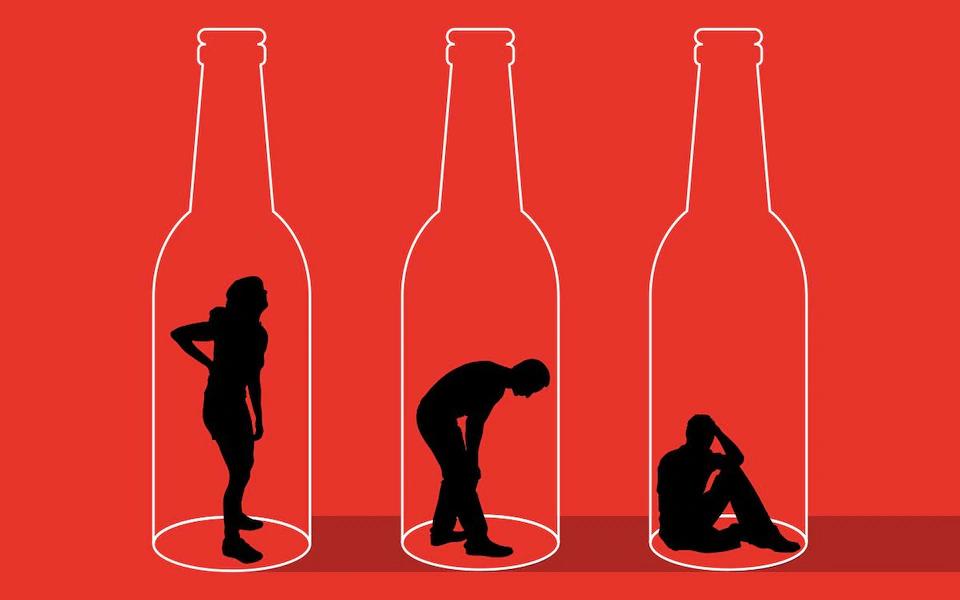
A BAD MIX: Alcohol is linked to age in lots of ways. You have to be old enough to drink it legally, and once you are, it can age you faster than normal. Heavy drinking can have a direct effect on certain parts of your body and on your mental health as you get older. And it can have some unhealthy indirect effects, as well.

IT CAN DEHYDRATE YOU: As you get older, you have less water in your body and -- for reasons that aren’t quite clear --you also feel thirsty less often. That makes seniors more likely to be dehydrated. Drinking alcohol can pull more water out of your body and make your chances of dehydration even higher.

IT CAN DRY YOUR SKIN: Our skin gets thinner and drier as we age. It’s a natural process called intrinsic aging, and it’s something you can’t control. Extrinsic aging is when your skin ages faster than it should because of your environment and how you live. That’s where alcohol comes in -- it dehydrates you and dries out your skin. You can slow that down by drinking less.

IT CAN MAKE VITAL ORGANS WEAKER: Alcohol can affect the way some vital organs work and make them age faster. While heavy drinkers are more likely to have cirrhosis (permanent damage to your liver)even moderate drinking can lead to problems like fatty liver disease. It also can make it harder for your kidneys to do their thing.

IT CAN SLOW YOUR BRAIN: Every alcoholic drink goes “straight to your head,” or at least to your brain. Heavy drinking over a long time can shrink brain cells and lead to alcohol-related brain damage (ARBD) and certain types of dementia. Symptoms of that include lack of judgment, organization, or emotional control, trouble staying focused, and anger issues.

IT CAN WEAKEN YOUR IMMUNE SYSTEM: Alcohol can affect the way your body fights off life-threatening illnesses like tuberculosis or pneumonia. This can be especially serious for older people. Researchers are also studying the possibility that alcoholic liver disease might be caused, at least in part, by your immune system attacking healthy body tissues.

IT CAN AFFECT YOUR HEART: Red wine has antioxidants called polyphenols that may help your cholesterol level and protect your blood vessels. If you drink it in moderation (about one glass a day), some studies show that it might be good for your heart. But too much can lead to an abnormal heartbeat and high blood pressure. So, if you don’t drink, this isn’t a good reason to start.

IT HITS YOU FASTER: People who drink may notice that they’re “feeling no pain” sooner as they get older. That’s mainly because our bodies gain fat and lose muscle in our senior years, and it takes longer for us to break down alcohol and get it out of our system. It also can make hangovers last longer.

IT CAN COMPLICATE THINGS: Alcohol may not only make you more likely to get sick as you age, it also can make common medical problems worse. Studies show that heavy drinkers can have a harder time with things like osteoporosis, diabetes, high blood pressure, stroke, ulcers, memory loss, and certain mood disorders.

IT CAN CHANGE HOW YOUR MEDS WORK: The older you get, the longer alcohol stays in your system. So, it’s more likely to be there when you take medicine.  And alcohol can affect the way your meds work. It can also lead to serious side effects. For example, drinking alcohol when you take aspirin can raise your chances of stomach problems or internal bleeding. Mixing it with certain sleeping pills, pain medications, or anxiety drugs can be life-threatening.

IT CAN MAKE YOU MORE LIKELY TO FALL: Broken bones from a stumble are a serious health issue for seniors. Heavy drinking can make them even more likely. It’s because alcohol can affect your balance and sense of judgment. Over time, it also can damage the cerebellum, the area in your brain that handles balance and coordination.

IT CAN KEEP YOU UP AT NIGHT: The idea of having a drink to relax before bedtime may not be a good one, especially as you get older. Instead of lulling you into a restful night, alcohol can actually keep you from getting to sleep and lead to restless slumber. That can be particularly hard on seniors, who are already more likely to wake up often or have a sleep disorder like insomnia.

YOU CAN DRINK...BUT: As with most things, moderation is key. People older than 65 who don’t take any medications should average no more than one drink a day (seven per week) and have no more than three at one sitting. (A drink is one 12-ounce can or bottle of beer, one 5-ounce glass of wine, or one 1.5-ounce shot of an 80-proof or less liquor.) Talk with your doctor to find out what’s right for you.

MEDICALLY REVIEWED BY: Smitha Bhandari, MD, WebMD, on February 02, 2021

SOURCES:

Cleveland Clinic: “Drink Up: Dehydration Is An Often Overlooked Health Risk For Seniors.”

Cleveland Clinic: “Dehydration Avoidance: Proper Hydration.”

American Academy of Dermatology: “What Causes Our Skin To Age?”

Fatty Liver Foundation: “What Is Cirrhosis?”

National Institute on Alcohol Abuse and Alcoholism: “Alcohol Metabolism: An Update,” “Alcohol and The Immune System,” “Older Adults,” “Mixing Alcohol With Medicines,” “Alcohol and the Cerebellum: Effects on Balance, Motor Coordination and Cognition.”

National Kidney Foundation: “Alcohol and Your Kidneys.”

Alzheimer’s Society: “Alcohol-Related Brain Damage,” “Symptoms of Alcoholic Dementia.”

American Lung Association: “Learn About Pneumonia.”

Oxford Academic: “Tuberculosis and Aging: A Global Health Problem.”

Mayo Clinic: “Red Wine and Resveratrol: Good For Your Heart?”

DrinkAware: “Alcohol and Heart Disease.”

Royal College of Psychiatrists: “Alcohol and Older People.”

National Institute on Aging: “Facts About Aging and Alcohol,” “Alcohol and Medicines.”

Endocrine Society: “Broken Bones Among Older People Increase Risk of Death for Up To 10 Years.”

American Family Physician: “Alcoholism In the Elderly.”

National Sleep Foundation: “Aging and Sleep.”

CDC: “Fact Sheets – Alcohol Use and Your Health.”

Much Love, Dr.Shermaine, #InformativeRead #PleaseShare #HealthyBodySoulAndSpirit #IWantYou2LiveWell #FeelFree2SignUpAndFollow

The Goal is to Always Make You Aware of What Concerns Your Body, Soul and Spirit, So You Can Have Open, Honest and Frequent Discussions With Your Physicians and Counselors. You Can’t Treat or Cure What You Don’t Know is Sick.
 
"It's Not Selfish to Love Yourself, Take Care of Yourself and to Make Your Happiness a Priority. It's a Necessity." (Mandy Hale)

"Self-Care is Not Selfish. You Cannot Serve From an Empty Vessel." (Eleanor Brown)

The contents of the WebMD and Self-Care With Dr. Shermaine Sites, such as text, graphics, images, and other material contained on the WebMD and Self-Care With Dr. Shermaine Sites ("Content") are for informational purposes only. The Content is not intended to be a substitute for professional medical advice, diagnosis, or treatment. Always seek the advice of your physician or other qualified health provider with any questions you may have regarding a medical condition. Never disregard professional medical advice or delay in seeking it because of something you have read on the WebMD and Self-Care With Dr. Shermaine Sites!

If you think you may have a medical emergency, call your doctor or 911 immediately. WebMD and Self-Care With Dr. Shermaine does not recommend or endorse any specific tests, physicians, products, procedures, opinions, or other information that may be mentioned on the Sites. Reliance on any information provided by WebMD, WebMD employees, others appearing on the Site at the invitation of WebMD, and Self-Care With Dr. Shermaine or other visitors to the Sites is solely at your own risk.  


Monday, June 27, 2022

"12 Ways to Tackle Financial Anxiety"


Between a global pandemic and skyrocketing inflation, making ends meet and staying out of debt is no small challenge for Americans. Here's how to deal with the money stress. If the thought of looking at your bank account sends you into a stress spiral, you're not alone. Finances are a common anxiety trigger, and this is especially true on the heels of a global pandemic that created massive unemployment and financial hardship. The Congressional Research Service reports that at the height of the pandemic, unemployment rose rapidly to a peak of 14.7 percent in April 2020. That figure is the highest unemployment rate this country has witnessed since the Great Depression and was worse than the peak unemployment rates of the 2007 through 2009 Great Recession.

Though we are two years on from these unemployment peaks, Americans are no less frazzled about finances—especially now that inflation is skyrocketing and making it more difficult to pay for everything from groceries to gas and monthly heating and electric bills.

One reason money can make us feel so anxiety-ridden? It's linked in our minds to our very survival. "Money is really a resource that can provide people with a sense of safety and security," Chloe Carmichael, PhD, a New York City-based psychologist, tells Health. "When we feel that resource is scarce, it can actually make people feel like their survival is in jeopardy on a very primal level."

But your finances don't have to be so scary. In fact, some financial anxiety can actually be a good motivator, Matt Lundquist, LCSW, a psychotherapist at Tribeca Therapy in New York City, tells Health.

"If a certain situation makes you feel appropriately anxious, it can be helpful in getting you to make a necessary change," he says. For example, realizing you overspent last weekend may prompt you to rethink your budget, and feeling nervous about an upcoming expense could lead you to put aside more than you need. But financial anxiety becomes a problem if it's constantly on your mind or starts to disrupt other aspects of your life, says Lundquist.

So how can you manage money worries, so they don't get out of hand? Here, the pros outline how to assuage financial stress.

CREATE A PLAN:

A psychotherapist and author of four books on mental strength, Amy Morin has delivered many talks about the link between financial health and mental health. She says being in debt puts individuals at three times greater risk of depression. What's more, those who contemplate suicide are more likely to be in debt, says Morin. One of the most fundamental ways to tackle such negative feelings is head-on and make sure they don't get the best of you. Develop a plan of action.

"Developing a clear plan can help you take control over your financial situation—and when you feel empowered, your anxiety will go down and your motivation will increase," Morin, who is also editor-in-chief of Verywell Mind, tells Health. "Your plan may include reducing your spending and increasing your income. It should also involve establishing a monthly budget and a clear plan for paying off debt."

As you figure out your plan, it's a good idea to address the stressors that are taking the biggest emotional toll on you, Celia Mion-Araoz, a licensed mental health counselor for Community Healthy of South Florida Inc. who works with patients experiencing stress from financial anxiety, tells Health.

"Create a hierarchical list of the bills, payments, or costs that need addressing—from most urgent to least urgent," Mion-Araoz says. "Prioritization is a key first step, so that you can wrap your head around a larger problem, break it down, and thereby gain a sense of control of it, which in turn will help you gather momentum for working your way through the financial stress and through the items on your list."

FOCUS ON ATTAINABLE GOALS FIRST:

Once you've developed a hierarchical list of financial priorities, create a list of attainable payment goals and a practical plan for knocking each item off your list, starting from the top and working your way down.

"Again, the idea here is to begin to break the financial stressors down into smaller parts, focusing on what's most important first and addressing concerns sequentially as opposed to all at once," says Mion-Araoz. "By achieving these incremental, attainable payment goals or wins, you gain confidence and momentum and reduce the sense of being overwhelmed."

RECOGNIZE AND TALK THROUGH YOUR EMOTIONS SURROUNDING MONEY:

Money affects every domain of our lives, and the emotions money brings up—both good and bad—have a powerful influence over us, Julie Elledge, PhD, founder and CEO of Mentor Agility, tells Health. Yet individuals are offered very little guidance to deal with these feelings, and there are few socially accepted ways for talking about the emotions surrounding finances. Learning to recognize and openly discuss money concerns is another important step toward addressing anxiety.

"Discussing money is so tied up with complex emotions: shame, success, fear of failure, status, power, control, and self-worth," Elledge says. "Learning how to recognize those emotions, then talk about them, allows us to minimize the grip that finances have on our well-being."

As for who you might talk to about these feelings, Elledge suggests either a life partner (though the discussion may bring up very strong emotions) or alternatively a financial wellness coach.

"A coach who is fluent in financial wellbeing will help you manage emotions, define your goals, plan your opportunities, and help you find the road map to getting back on the right track," explains Elledge.

This type of professional can also help you rewrite what you feel is an 'underachieving narrative,' transforming it into a motivational story, adds Elledge. This is often accomplished by storytelling techniques that help a client manage disparate and strong emotions into a cohesive narrative thread. "Then, talk to your financial advisor and let him or her help you manage the resources to bring your story to its successful outcome," suggests Elledge.

SCHEDULE TIME TO WORRY:

When it comes to life and finances, many things are out of your control. You can't control the economy, and you generally don't have much control over whether you get a raise. Furthermore, worrying about these things wastes time and energy. Rather than let concern about these challenges permeate your entire waking life, try to contain your worrying to just 15 minutes a day by actually scheduling time to worry. Yes, this may sound a bit unusual, but there's a good reason for doing so.

"With practice, research shows you can learn to train your brain to worry during your scheduled time only," says Morin. "This will free up your time and energy to focus on taking action throughout the day, rather than worrying about things you can't control."

To get started with this habit, set aside time, say 5-10 minutes tops, to sit and worry, explains Morin. Set a countdown clock on your phone, and when your time is up, force yourself to do something else.

CONTINUE CONTRIBUTING TO SAVINGS:

Speaking of worrying, it's not unusual to be anxious about longer-term goals like saving money for retirement or having enough money for a child's college fund. "People are [often] anxious about whether they've set enough aside and are living within their means," says Lundquist.

Reworking your budget, opening different types of saving accounts, and setting up direct deposits can help ease some of this anxiety. The key, says Carmichael, is to do something.

"When people feel financially dissatisfied or anxious, they can become avoidant, and then they don't even want to open up their bills or bank accounts," she explains. "It becomes a vicious cycle. Even if things aren't how you'd like them to be now, having a plan in place for how you can save over time will keep you in a better mindset."

If you still feel anxious after making (and sticking to) a savings plan, it may reflect a deeper issue about your relationship with money. "Some people have to work through what it means to deprive yourself of something or do without, which you will have to do in some sense to save money," he says. "It's all about cultivating pride in good money habits—instead of money itself."

REINFORCE YOUR SENSE OF JOB SECURITY:

Will I lose my job? Will my business be successful this year? Work worries are another element of financial stress, says Lundquist. "This fear tends to be historical," he adds. "You might be especially concerned about [your job security] if you were laid off in the past, or if your parents had job trouble when you were growing up."

Speaking to your boss about the state of your company and asking for feedback to make sure you're performing well may boost your confidence. And while counterintuitive, it might also be helpful to force yourself to imagine what it would actually be like if you lost your job.

"It gets people to think about their other career options, what their savings situation is, if they would need to move, sell something, switch industries, or ask for help from family," Lundquist says. "For most people, they recognize they are a number of levels away from actually ending up on the street, but they're operating on an emotional level as if the stakes are in fact that high."

DON'T LET SALARY DEFINE YOUR WORTH:

How much money you earn can feel like a personal reflection of your worth, says Carmichael. And when you're anxious about money, your salary can contribute to feelings of low self-esteem. "If we feel like we don't have as much money as our neighbors, that can sometimes feel like a source of shame," she says. "On some level, we might think it means we're not worth as much, literally."

If you want to stay in your current line of work, Carmichael recommends trying to focus on the other aspects of your job that are fulfilling. If your career isn't giving you that sense of fulfillment and a higher salary is a priority, pursuing a new career path is one option, as is asking for a raise.

Salary negotiations make many people anxious, and Lundquist says the key is to recognize your value to your employer. "Sometimes even going on an interview with a head hunter—even if you don't plan to change jobs—can help you realize what you're bringing to the table and know your worth going into the conversation," he says.

CHANGE UP YOUR SPENDING TO ADDRESS DEBT MORE AGGRESSIVELY:

Paying off debt is never pleasant, and it's especially scary if you don't have a plan in place. To take action, Carmichael recommends meeting with an advisor to review how you can rejigger your spending to put more money toward your debts.

Another good idea is to have an "accountability partner" who will regularly review your spending. This can be a financial counselor, therapist, or even a trusted friend. "Give them your Mint password if you have to, and take an honest look at things with them so you can face the music and not bury your head in the sand," Carmichael says.

"Clients talk to me weekly about their habits, and they'll notice what their triggers are and what prompts them to overspend or rack up credit card debt," Carmichael adds. She notes that some of the biggest issues arise when people don't plan ahead for big expenses, such as an upcoming vacation.

FIND INSPIRING STORIES OF PEOPLE GETTING OUT OF DEBT:

Your social media feed and the IRL conversations you have with people are often focused on possessions and things—like someone's new car or the new gadget they just purchased.

Hearing about these possessions can cause you to feel bad and [may even] tempt you to spend money on things you can't afford," says Morin. "Instead, look for people who are celebrating the fact that they're paying off their bills. There are plenty of online forums and communities filled with people who are intent on getting out of debt. Watching others get excited about paying off their loans—as opposed to spending more money—can help you get excited about saving."

MAKE IMPULSE SPENDING HARDER TO ACCESS:

If you're the type of person who is prone to making impulse purchases or you shop online a lot, try protecting yourself from temptation by making these behaviors harder to engage in, says Morin.

"Only carry a certain amount of cash with you in the store, or don't save your credit card information to your computer (and store your credit card out of sight)," says Morin. "These little obstacles can go a long way toward helping you stay on track with your financial goals."

AVOID TURNING TO UNHEALTHY HABITS:

Financial stress, like any form of stress, can trigger the impulse to turn to alcohol or drugs as an escape, or even to gambling in a misguided hope of solving one's financial problems. Inevitably, though, these habits cost you even more money, and of course they impact your health.

"Focus on stress-relievers that are cost-free, such as going for a walk, doing some other form of exercise, meeting up with friends who care about us, and identifying support systems that can help you manage financial stress without incurring additional costs, as unhealthy activities tend to do," says Mion-Araoz.

If you are feeling an overwhelming temptation to turn to substance abuse, then it is important to reach out to a mental health professional.

STOP COMPARING WEALTH:

For some people, simply being able to afford food and shelter is a constant concern. But for those who are living comfortably and still find themselves trying to keep up with the Joneses, Carmichael suggests taking a step back and considering all that you do have.

"Things we take for granted now, like microwaves or computers, would have been considered luxuries 30 years ago," she says. One way to gain perspective is to make a list of five or ten things (material or not) that you're thankful for.

"There's a whole industry of marketing and advertising that's designed to push our cognitive buttons and make us desire things we don't have," Carmichael says. "If we're not careful, we can get swept away in that."

Wednesday, August 11, 2021

“When Healthy Eating Becomes Unhealthy”


WHAT IS ORTHOREXIA?

Orthorexia is an unhealthy focus on eating in a healthy way. Eating nutritious food is good, but if you have orthorexia, you obsess about it to a degree that can damage your overall well-being. Steven Bratman, MD, a California doctor, coined the term in 1996. It means “fixation on righteous eating.” Since then, many medical professionals have accepted the concept. It isn’t an official diagnosis. But the basic idea is that it includes eating habits that reject a variety of foods for not being “pure” enough. Eventually, people with orthorexia begin to avoid whole meals that don’t meet their standards or that they don’t make themselves. Some experts think there are similarities in orthorexia and in eating disorders like bulimia and anorexia nervosa. All are about food and control. 

ORTHOREXIA SYMPTOMS:

If you have orthorexia, you might:

  • Worry about food quality. High levels of concern about the quality and source of foods you eat could lead to anxiety.
  • Avoid going out to eat or avoid eating food prepared by others out of fear that foods you don’t prepare yourself won’t meet your standards.
  • Fear sickness. You worry about how “clean” food is or if it’s “bad” for your health.
  • Show physical signs of malnutrition. When you limit the variety of foods you eat, you may not get all the nourishment you need. You could lose weight as a result.
  • Bury yourself in food research. It’s one thing to spend a few minutes scanning a product label or surfing the web for more information on ingredients. But with orthorexia, you may spend hours thinking about food and planning meals.
  • Refuse to eat a broad range of foods. It’s normal to avoid some foods because you don’t like the way they taste or the way they make you feel. But with orthorexia, you might decide to drop whole categories of foods from your diet. For example, you might stop eating grains; or any foods with preservatives, gluten, or sugar; or all foods that just don’t seem “healthy."
  • Fear losing control. You feel that you’re doing the right thing by eating healthy. But you may also be afraid that eating even one meal you didn’t prepare -- including dinner at a restaurant -- can be disastrous.
  • Be overly critical of your friends’ food choices. At the same time, you may have no rational explanation for your own.
  • Find yourself in a vicious circle. Your preoccupation with food causes you to bounce between self-love and guilt as you change and restrict your diet.

ORTHOREXIA CAUSES AND RISK FACTORS:

Anyone can get an eating disorder. Though the causes and risk factors vary from person to person, they fall into three main groups:

  • BIOLOGICAL: Having a close relative with an eating disorder, a history of dieting, or type 1 diabetes.
  • PSYCHOLOGICAL: Perfectionism, dissatisfaction with your body, or a history of anxiety.
  • SOCIAL/CULTURAL: Being teased or bullied about your weight, having had family trauma that spans generations, or buying into the idea of an “ideal” body.

ORTHOREXIA DIAGNOSIS:

As with bulimia and anorexia, your doctor or nutritionist may be able to help with orthorexia. Because of the emotional parts of the condition, they may ask you to see a mental health professional. Right now, there are no official criteria for making a diagnosis because orthorexia isn’t included in the DSM-5, the guidelines doctors use to diagnose mental health conditions.

In 2016, Bratman and Thomas M. Dunn, PhD, a professor at the University of Northern Colorado, proposed a two-part diagnostic criterion for the condition:

CRITERION A says the person will have an obsessive focus on healthy eating and get distressed over food choices they feel are unhealthy. They’ll lose weight as a result of food choices, but not because they’re trying to. In addition:

  • They’ll compulsively follow and be obsessed with rules about food that they believe will promote health.
  • Breaking the rules will create fear of disease along with anxiety and shame over their food choices.
  • The rules will get harsher over time. The person may do cleanses.

CRITERION B says the person may notice mental health and physical problems:

  • The restricted diet can lead to malnutrition, severe weight loss, or other medical problems.
  • Their rigid beliefs and rules can cause problems with social relationships, or at work or school.
  • Their body image and sense of self-worth could depend on how well they follow their healthy eating rules.

ORTHOREXIA TREATMENT:

The key is to recognize that even though eating healthy food is good for you, the way you’re going about it is causing harm. You’ll need to train yourself to think differently about it.

If you think you have an unhealthy relationship with eating, your doctor may suggest mindful eating strategies. Common treatments include:

  • Exposure and response prevention: The more you’re exposed to the situation that causes you anxiety, the less it’ll upset you.
  • Behavior modification: Understanding the negative effects of your actions so you can change what you’re doing
  • Cognitive restructuring or cognitive reframing, which helps you identify habits and beliefs that cause stress and replace them with less rigid thoughts and actions
  • Various forms of relaxation training, like breathing exercises, guided imagery, mindfulness meditation, yoga, and tai chi.


SOURCES:

National Eating Disorders Association: “Orthorexia Nervosa.”

Academy of Nutrition and Dietetics: “Orthorexia: An Obsession with Eating Pure.”

Palo Alto Medical Foundation: “Orthorexia Nervosa.”

Zeratsky, Katherine, RD, LD: “Orthorexia: When healthy eating becomes extreme,” Mayo Clinic Nutrition-Wise Blog, Nov. 15, 2016.

American Psychiatric Association: “Orthorexia: Can Healthy Eating Become Unhealthy?”

National Eating Disorders Association: “Orthorexia,” “Risk Factors.”

Neuropsychiatric Disease and Treatment: “The clinical basis of orthorexia nervosa: emerging perspectives.”

Bradley University: “Orthorexia.”

University of Northern Colorado: “Thom Dunn.”

Foundations Recovery Network: “Exposure and Response Prevention Therapy (ERP).”

StatPearls: “Behavior Modification.”

American Addiction Centers: “Cognitive Restructuring.”

Harvard Health Publishing: “Six relaxation techniques to reduce stress.”

MEDICALLY REVIEWED BY: Brunilda Nazario, MD, WebMD on September 09, 2020

Much Love, Dr.Shermaine, #InformativeRead #PleaseShare #HealthyBodySoulAndSpirit #IWantYou2LiveWell #FeelFree2SignUpAndFollow

The Goal is to Always Make You Aware of What Concerns Your Body, Soul and Spirit, So You Can Have Open, Honest and Frequent Discussions With Your Physicians and Counselors. You Can’t Treat or Cure What You Don’t Know is Sick.
 
"It's Not Selfish to Love Yourself, Take Care of Yourself and to Make Your Happiness a Priority. It's a Necessity." (Mandy Hale)

"Self-Care is Not Selfish. You Cannot Serve From an Empty Vessel." (Eleanor Brown)

The contents of the WebMD and Self-Care With Dr. Shermaine Sites, such as text, graphics, images, and other material contained on the WebMD and Self-Care With Dr. Shermaine Sites ("Content") are for informational purposes only. The Content is not intended to be a substitute for professional medical advice, diagnosis, or treatment. Always seek the advice of your physician or other qualified health provider with any questions you may have regarding a medical condition. Never disregard professional medical advice or delay in seeking it because of something you have read on the WebMD and Self-Care With Dr. Shermaine Sites!

If you think you may have a medical emergency, call your doctor or 911 immediately. WebMD and Self-Care With Dr. Shermaine does not recommend or endorse any specific tests, physicians, products, procedures, opinions, or other information that may be mentioned on the Sites. Reliance on any information provided by WebMD, WebMD employees, others appearing on the Site at the invitation of WebMD, and Self-Care With Dr. Shermaine or other visitors to the Sites is solely at your own risk.  

Wednesday, May 19, 2021

“Keep Your Mind Young and Sharp”


GIVE YOUR LIFE A SOUNDTRACK: Your brain gets a mental workout when you stream your favorite playlist. Not only can listening to music help you feel more alert, but it also can boost your memory and mood. One reason is that there’s a math to music and how one note relates to the other. Your brain has to work to make sense of this structure. This is especially true for music you’re hearing for the first time.

MAKE TIME TO MAKE FRIENDS: Getting to know new people boosts your brain’s “executive function” as much as doing a crossword puzzle. This set of mental skills includes your short-term memory, power to tune out distractions, and ability to stay focused. How does a friendly 10-minute chat help? Listening to someone else’s point of view and trying to put yourself in their shoes pushes your brain to think in new ways.

LAUGH IT OFF: Stress can make your brain release a hormone called cortisol, which makes it hard to think clearly. Over time, high levels of stress can cause trouble with your learning and memory. A fun way to protect your brain is to have a good laugh. It can lower cortisol levels and help keep your brain healthy.

GET OUTSIDE: Nature has a calming effect and can ease stress -- even if you’re just looking out a window. When you spend time outdoors, you give your brain a rest from the constant flow of data and stimulus it gets throughout the day. This lets it reboot its ability to focus, so you may feel more creative and better able to solve problems.

DITCH YOUR ROUTINE: There’s nothing wrong with eating the same breakfast every day or driving the same route to work. Humans are creatures of habit. But it’s good for your brain to try to mix things up. Even once a week can help. A change in routine boosts your brain’s ability to learn new info and hold onto it. Try out a new recipe or explore a different part of your city.

BECOME A STUDENT AGAIN: When you learn a new skill or subject, your brain makes new pathways between its many cells. You might try your hand at creative writing or a new hobby that interests you, like quilting or playing the guitar. If it seems hard at first, don’t give up. The tougher it is for you to get the hang of it, the better for your brain.

FOCUS ON ONE THING AT A TIME: Just because you can text, watch TV, and check your social media feed at the same time doesn’t mean it’s good for you. When your brain is hit with several streams of info at once, it has to sift through it all. This makes it harder for you to focus, manage your memory, and switch from one thing to another. Go easy on your brain and give one thing your full attention at a time.

MEDITATE: Whether you say a mantra or just focus on breathing, meditation can help with high blood pressure or high cholesterol. (Both can raise your chances of Alzheimer’s.) Studies show it also can boost your focus, memory, and ability to choose words, and it can make it easier to switch from one thought to another. The reasons for this aren’t clear, but one theory is that meditation gives your brain a break from concrete words and thoughts.

BREAK A SWEAT: Working out is as good for your brain as it is for your body. Exercise keeps your reasoning and thinking skills sharp because it ramps up the blood flow to your brain, along with certain chemicals that help protect it. Try to get moving every other day for at least 30 minutes.

GIVE IT A REST: If you don’t get enough sleep, even a simple task can take more mental effort than it would otherwise. You’ll also find it much harder to focus, and you may notice gaps in your short-term memory. To stay fresh, aim for 7 to 9 hours of sleep each night.

WATCH WHAT YOU EAT: The more calories you take in, the higher your chances of memory loss may be. The reason isn’t clear-cut, but a greater BMI (body mass index) at middle age is linked to poor brain health later in life. Small changes, like switching from whole milk to skim, will help you cut down on calories. Your doctor or a dietitian can help you with a plan that’s right for you.

FEED YOUR BRAIN: Certain foods work hard to protect your brain. These include fruits, veggies, legumes, fish, and “good” fats like the ones in canola and olive oils. A daily cup of tea or coffee also can help your brain wake up. But watch the processed foods--which can wreak havoc on your blood sugar.

STOP SMOKING: Many chemicals in cigarettes are toxic to your brain, so you might not be surprised to learn that smoking’s linked to mental decline and dementia. And the same goes for secondhand smoke. Talk to others in your family about quitting, too. You’ll all stay healthier if your house and car are smoke-free.

TAKE CARE OF YOUR HEART: If your heart’s in poor health, you’re more likely to have learning and memory problems. Being overweight and not getting enough exercise can make your blood vessels narrow. This limits the amount of blood that flows to your brain, and your arteries may start to harden. High blood pressure is the biggest sign that your brain’s health is at risk. If yours is high, talk with your doctor about how to control it.

GET HELP FOR YOUR MENTAL HEALTH: If you’re depressed, you may be more likely to have a mental decline. In addition to feelings of helplessness and losing interest in things you love, depression also can put you in a “brain fog.” Thinking, staying focused, and making decisions can be much harder. If you have some of these signs, talk to your doctor about what you can do to treat them.

REVIEWED BY: Carol DerSarkissian, MD, WebMD on October 13, 2019

ARTWORK CREDIT: www.cartoonday.com

SOURCES:

Harvard Health Publications: “Mental strain helps maintain a healthy brain,” “Back to school: Learning a new skill can slow cognitive aging,” “Overeating may reduce brain function.”

Stanford University: “Media multitaskers pay mental price, Stanford study shows.”

Frontiers in Behavioral Neuroscience: “Effect of Meditation on Cognitive Functions in Context of Aging and Neurodegenerative Disease.”

UC Berkeley Greater Good Science Center: “How Nature Can Make You Kinder, Happier and More Creative.”

University of Michigan: “Friends with Cognitive Benefits: Mental Function Improves After Socializing.”

International Psychogeriatric Association: “Recent Advances -- Smoking and Cognitive Functioning: The Dilemma.”

Johns Hopkins Medicine: “Keep Your Brain Young with Music.”

Mayo Clinic: “Alzheimer’s disease: Can exercise prevent memory loss?” “How risky is secondhand smoke?” “Overeating May Double the Risk of Memory Loss.”

Alzheimer’s Association: “10 Ways to Love Your Brain.”

American Sleep Association: “Sleep Deprivation -- Symptoms, Causes, Dangers and Treatment.”

National Sleep Foundation: “How Much Sleep Do We Really Need?”

American Psychiatric Association: “7 Tips to Help with Cognitive

Much Love, Dr.Shermaine, #InformativeRead #PleaseShare #HealthyBodySoulAndSpirit #IWantYou2LiveWell #FeelFree2SignUpAndFollow

The Goal is to Always Make You Aware of What Concerns Your Body, Soul and Spirit, So You Can Have Open, Honest and Frequent Discussions With Your Physicians and Counselors. You Can’t Treat or Cure What You Don’t Know is Sick.
 
"It's Not Selfish to Love Yourself, Take Care of Yourself and to Make Your Happiness a Priority. It's a Necessity." (Mandy Hale)

"Self-Care is Not Selfish. You Cannot Serve From an Empty Vessel." (Eleanor Brown)

The contents of the WebMD and Self-Care With Dr. Shermaine Sites, such as text, graphics, images, and other material contained on the WebMD and Self-Care With Dr. Shermaine Sites ("Content") are for informational purposes only. The Content is not intended to be a substitute for professional medical advice, diagnosis, or treatment. Always seek the advice of your physician or other qualified health provider with any questions you may have regarding a medical condition. Never disregard professional medical advice or delay in seeking it because of something you have read on the WebMD and Self-Care With Dr. Shermaine Sites!

If you think you may have a medical emergency, call your doctor or 911 immediately. WebMD and Self-Care With Dr. Shermaine does not recommend or endorse any specific tests, physicians, products, procedures, opinions, or other information that may be mentioned on the Sites. Reliance on any information provided by WebMD, WebMD employees, others appearing on the Site at the invitation of WebMD, and Self-Care With Dr. Shermaine or other visitors to the Sites is solely at your own risk.  

"13 Ways to Use Apple Cider Vinegar That Will Change Your Life!"

    Of all the well-touted natural health remedies that exist today, very few are followed quite as religiously as taking a tablespoon or tw...