Search This Blog

Showing posts with label Moderation. Show all posts

Thursday, September 8, 2022

"Mediterranean Diet Food List: How to Follow This Popular Meal Plan?"


Unlike other diets, the Mediterranean diet doesn't have strict rules or cut out any one food group. Instead, it focuses on fresh produce, healthy fats, fish, and whole grains.

For the fifth year in a row, the Mediterranean diet won best overall diet in the US News & World Report's annual ranking, and there's a reason why: research has linked the popular way of eating to a longer lifespan as well as a lower risk of type 2 diabetes, heart disease, and age-related memory decline.

Unlike other popular diets, the Mediterranean diet doesn't involve strict rules like calorie counting or macro tracking. Instead, followers consume foods that are part of the traditional diet of citizens who live in countries bordering the Mediterranean Sea—lots of vegetables, whole grains, healthy fats, and fish. If this sounds like an eating style for you, here's an overview of the specific foods that make up the bulk of the Mediterranean diet, plus the foods you should limit.

VEGETABLES AND FRUITS:

Mediterranean diet adherents eat four or more servings of vegetables a day and three or more servings of fruit, making produce a key staple. For reference, only 10% of American adults eat the recommended two to three cups of vegetables daily and just 12.3% eat the advised one and a half to two cups of fruit, according to the Centers for Disease Control and Prevention (CDC).

Produce consumed on a Mediterranean diet includes:

  • Artichokes
  • Beets
  • Broccoli
  • Brussels sprouts
  • Cabbage
  • Carrots
  • Celery
  • Cucumbers
  • Eggplant
  • Leafy Greens
  • Mushrooms
  • Onions
  • Peppers
  • Potatoes
  • Sweet Potatoes
  • Tomatoes
  • Zucchini
  • Apples
  • Apricots
  • Berries
  • Cherries
  • Citrus
  • Dates
  • Figs
  • Grapes
  • Melons
  • Peaches
  • Pears
  • Pomegranates

The vitamins, minerals, fiber, and antioxidants found in these fruits and veggies can help reduce your risk of heart disease and cancer (the two leading causes of death in the US), and they may also boost your mental health. A 2020 study in the journal Nutrients also found that adults who consumed at least five servings of produce per day saw improvement in general well-being, sleep quality, life satisfaction, mood, curiosity, creativity, optimism, self-esteem, and happiness—not to mention a reduction in stress, nervousness, and anxiety.

While that all sounds great, it can be overwhelming trying to eat that much produce in a 24-hour period. My tip? When deciding what to eat, start with produce first. Whip leafy greens and fruit into a breakfast smoothie. Swap a lunchtime sandwich for an entree salad and replace half your dinner portion of pasta with spiralized zucchini. Round out the day with snacks like fruits and nuts or veggies with hummus.

WHOLE GRAINS:

People in the Mediterranean region tend to consume three to four servings of whole grains daily, with one serving equal to a half cup of cooked whole grain or slice of bread. Whole grains found in a Mediterranean diet include:

  • Barley
  • Buckwheat
  • Corn
  • Millet
  • Oats
  • Whole wheat
  • Whole grain bread
  • Whole grain pasta
  • Whole grain rice

Even though Americans are eating more whole grains, less than 16% of total daily grain consumption comes from whole grains, per the CDC. This is concerning, given a 2018 review published in the European Journal of Clinical Nutrition that found the high consumption of whole grains was associated with a lower risk of heart disease, cancer, and overall death.

Try upgrading your refined grains to their whole counterparts. For example, swap a breakfast pastry for a bowl of oatmeal; opt for brown rice over white at dinner, or replace your white bread sandwich for a lunchtime salad made with cooked quinoa.

PULSES:

Pulses include all varieties of beans, lentils, peas, and chickpeas. On the Mediterranean diet, three or more servings of pulses are consumed per week, and for good reason: A 2021 study published in Nutrients found that people who consumed pulses also had higher intakes of fiber, folate, and magnesium compared to those who didn't eat pulses. Those who consumed 2.5 ounces—roughly a half cup of cooked chickpeas—also took in more potassium, zinc, iron, and choline, along with lower amounts of fat.

Commonly eaten pulses in the Mediterranean diet include:

  • Cannellini beans
  • Chickpeas
  • Fava beans
  • Kidney beans
  • Lentils
  • Split peas

If you're wondering how to incorporate more pulses into your diet, simply swap them in for meat. For example, instead of beef stew, try lentil soup. Or snack on roasted chickpeas over beef jerky.

HEALTHY FATS:

In the Mediterranean, people consume so much olive oil—about four tablespoons daily—that it's practically its own food group. While fat can get a bad rep, the healthy fats found in olive oil are crucial for our health. A 2019 report published in Nutrients stated, "extra virgin olive oil (EVOO) should, indeed, be the fat of choice when it comes to human health." Why? Because EVOO consumption is linked with lower incidences of heart disease, cancer, high blood pressure, autoimmune illnesses, and inflammatory conditions, such as ulcerative colitis.

Other healthful Mediterranean fats include avocado (technically a fruit, but still chock full of good fat) as well as nuts and seeds. In fact, you should eat nuts or seeds at least three times per week on the diet. For reference, a serving size would be a quarter cup of nuts or two tablespoons of nut or seed butter. Common nuts consumed in the diet include:

  • Almonds
  • Cashews
  • Hazelnuts
  • Olives
  • Pine nuts
  • Pistachios
  • Sesame seeds
  • Tahini
  • Walnuts

Work these good fats into daily meals and snacks by blending nut butter or avocado into smoothies, dressing salads with EVOO balsamic vinaigrette, and sautéing veggies in EVOO instead of butter.

FISH:

People following a traditional Mediterranean diet eat three to four ounces of fish about three times per week. Fish consumed include those rich in anti-inflammatory omega-3 fatty acids, like sardines, salmon, and mackerel. Other types of seafood to eat:

  • Clams
  • Crab
  • Eel
  • Flounder
  • Herring
  • Lobster
  • Mackerel
  • Mussels
  • Octopus
  • Oysters
  • Salmon
  • Sardines
  • Sea bass
  • Shrimp
  • Tuna

Research indicates eating fish can prolong not only the quantity but quality of life. A 2020 analysis in Nutrients found that for every additional 20 grams of fish consumed per day—aka about ¼ of a three-ounce salmon filet—the risk of dying from cardiovascular disease decreased by 4%.

Additionally, a 2018 study published in the American Journal of Epidemiology found that a higher fish intake was associated with decreased rates of cognitive decline in older adults. This was particularly so for episodic memory . Episodic memory is a type of long-term memory that involves recalling previous experiences with their context, in terms of time, place, and emotions.

HERBS AND SPICES:

Natural seasonings are a vital part of a Mediterranean diet because they offer not only aroma, color, and flavor, but also added nutrients and health benefits. A 2019 review in the Journal of AOAC International found that herbs and spices possess antioxidant, anti-inflammatory, and anti-cancer properties. They also lower blood sugar and cholesterol levels as well as positively impact mood, cognition, and the gut microbiome.

Herbs and spices used liberally in a Mediterranean eating plan include:

AniseBasilBay Leaf
ChilesClovesCumin
GarlicLavenderMarjoram
MintOreganoParsley
PepperRosemarySage
SumacTarragonThyme

Have fun experimenting with herbs and spices, say by adding fresh mint to a smoothie or hot tea; infusing water with fresh herbs and fruit; or whisking garlic and herbs to make a simple homemade vinaigrette.

FOODS TO EAT IN MODERATION ON THE MEDITERRANEAN DIET:

The food groups above make up the foundation of a Mediterranean Diet. But the eating plan also includes moderate portions of poultry, eggs, and dairy (especially fermented dairy like Greek yogurt and kefir). So, what does moderate mean? That varies depending on your personal preference. You could consume very small portions of dairy daily or eat larger amounts on a weekly basis.

Alcohol, specifically red wine, is also consumed in moderation. Although optional, red wine is traditionally enjoyed daily by Mediterranean eaters. Just stick to one five-ounce glass per day if you're a woman and up to two glasses per day if you're a man, per the USDA's 2020-2025 Dietary Guidelines for Americans.

FOODS TO LIMIT ON A MEDITERRANEAN DIET:

While the Mediterranean diet doesn't require you to cut out one food group or food entirely, it does encourage people to limit or avoid certain items like:

  • RED MEAT: Consumed regularly in small amounts, it can increase the risk of colorectal cancer, according to the American Institute of Cancer Research (AICR).
  • SWEETS: In excess, they boost the risk of obesity, type 2 diabetes, heart disease, Alzheimer's disease, high blood pressure, and more, according to the American Heart Association.
  • HIGHLY PROCESSED FOODS: A 2021 study in the journal Nutrients found that each 10% increase in calories from highly processed food was associated with a 15% higher risk of death from all causes.

SPECIFIC EXAMPLES OF FOODS TO LIMIT ON A MEDITERRANEAN DIET INCLUDE:

  • Alcohol, other than red wine in moderation
  • Bacon
  • Candy
  • Commercial baked goods
  • Fast food
  • Frozen pizza
  • Ham
  • Hotdogs
  • Lunch meat
  • Pepperoni
  • Processed cheese
  • Refined oils
  • Sausage
  • Soda and sugary drinks
  • White bread
  • White pasta
  • White rice

Simple swaps can help curb your intake of these foods. For example, try trading soda for sparkling water, vegetables in place of pepperoni on pizza, or eating low-sodium canned soups instead of fast food when you're in a pinch.

BOTTOM LINE:

People in the Mediterranean region have been enjoying this type of diet for centuries thanks to the flavors, variety, and nourishment it offers. There's also a reason why it's currently viewed as one of the best diets for overall health: It relies on foods known to reduce the risk of heart disease, obesity, and type 2 diabetes all while improving mood, cognition, and life expectancy.

The key to sticking to the Mediterranean diet is to view it as a lifestyle rather than a quick fix or strict meal plan. Remember that you don't have to give up any one food entirely—instead, try adopting the principles of the diet to fit your individual needs and food preferences.

Monday, August 1, 2022

"Alcohol and the Aging Process"


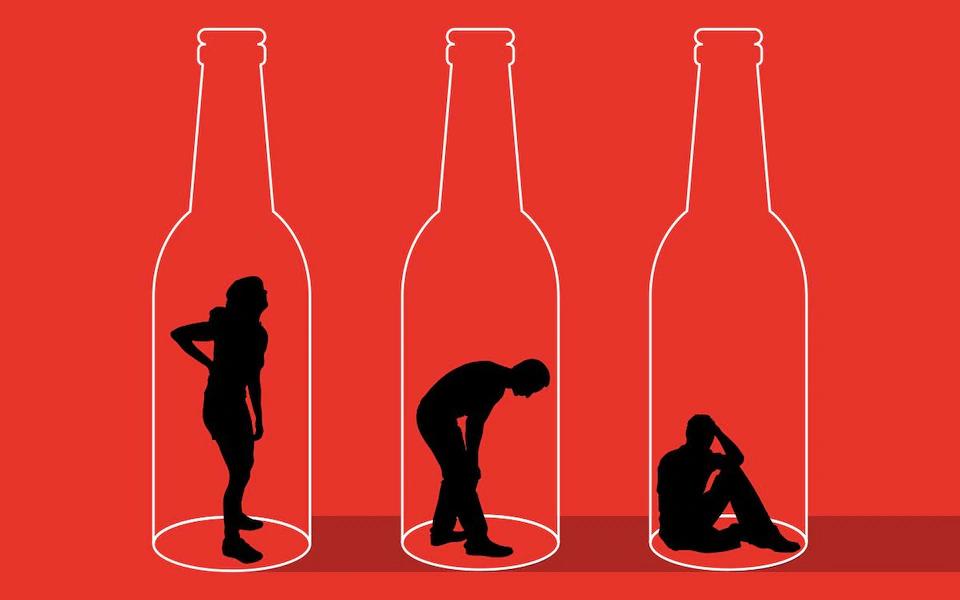
A BAD MIX: Alcohol is linked to age in lots of ways. You have to be old enough to drink it legally, and once you are, it can age you faster than normal. Heavy drinking can have a direct effect on certain parts of your body and on your mental health as you get older. And it can have some unhealthy indirect effects, as well.

IT CAN DEHYDRATE YOU: As you get older, you have less water in your body and -- for reasons that aren’t quite clear --you also feel thirsty less often. That makes seniors more likely to be dehydrated. Drinking alcohol can pull more water out of your body and make your chances of dehydration even higher.

IT CAN DRY YOUR SKIN: Our skin gets thinner and drier as we age. It’s a natural process called intrinsic aging, and it’s something you can’t control. Extrinsic aging is when your skin ages faster than it should because of your environment and how you live. That’s where alcohol comes in -- it dehydrates you and dries out your skin. You can slow that down by drinking less.

IT CAN MAKE VITAL ORGANS WEAKER: Alcohol can affect the way some vital organs work and make them age faster. While heavy drinkers are more likely to have cirrhosis (permanent damage to your liver), even moderate drinking can lead to problems like fatty liver disease. It also can make it harder for your kidneys to do their thing.

IT CAN SLOW YOUR BRAIN: Every alcoholic drink goes “straight to your head,” or at least to your brain. Heavy drinking over a long time can shrink brain cells and lead to alcohol-related brain damage (ARBD) and certain types of dementia. Symptoms of that include lack of judgment, organization, or emotional control, trouble staying focused, and anger issues.

IT CAN WEAKEN YOUR IMMUNE SYSTEM: Alcohol can affect the way your body fights off life-threatening illnesses like tuberculosis or pneumonia. This can be especially serious for older people. Researchers are also studying the possibility that alcoholic liver disease might be caused, at least in part, by your immune system attacking healthy body tissues.

IT CAN AFFECT YOUR HEART: Red wine has antioxidants called polyphenols that may help your cholesterol level and protect your blood vessels. If you drink it in moderation (about one glass a day), some studies show that it might be good for your heart. But too much can lead to an abnormal heartbeat and high blood pressure. So, if you don’t drink, this isn’t a good reason to start.

IT HITS YOU FASTER: People who drink may notice that they’re “feeling no pain” sooner as they get older. That’s mainly because our bodies gain fat and lose muscle in our senior years, and it takes longer for us to break down alcohol and get it out of our system. It also can make hangovers last longer.

IT CAN COMPLICATE THINGS: Alcohol may not only make you more likely to get sick as you age, it also can make common medical problems worse. Studies show that heavy drinkers can have a harder time with things like osteoporosis, diabetes, high blood pressure, stroke, ulcers, memory loss, and certain mood disorders.

IT CAN CHANGE HOW YOUR MEDS WORK: The older you get, the longer alcohol stays in your system. So, it’s more likely to be there when you take medicine.  And alcohol can affect the way your meds work. It can also lead to serious side effects. For example, drinking alcohol when you take aspirin can raise your chances of stomach problems or internal bleeding. Mixing it with certain sleeping pills, pain medications, or anxiety drugs can be life-threatening.

IT CAN MAKE YOU MORE LIKELY TO FALL: Broken bones from a stumble are a serious health issue for seniors. Heavy drinking can make them even more likely. It’s because alcohol can affect your balance and sense of judgment. Over time, it also can damage the cerebellum, the area in your brain that handles balance and coordination.

IT CAN KEEP YOU UP AT NIGHT: The idea of having a drink to relax before bedtime may not be a good one, especially as you get older. Instead of lulling you into a restful night, alcohol can actually keep you from getting to sleep and lead to restless slumber. That can be particularly hard on seniors, who are already more likely to wake up often or have a sleep disorder like insomnia.

YOU CAN DRINK...BUT: As with most things, moderation is key. People older than 65 who don’t take any medications should average no more than one drink a day (seven per week) and have no more than three at one sitting. (A drink is one 12-ounce can or bottle of beer, one 5-ounce glass of wine, or one 1.5-ounce shot of an 80-proof or less liquor.) Talk with your doctor to find out what’s right for you.

MEDICALLY REVIEWED BY: Smitha Bhandari, MD, WebMD, on February 02, 2021

SOURCES:

Cleveland Clinic: “Drink Up: Dehydration Is An Often Overlooked Health Risk For Seniors.”

Cleveland Clinic: “Dehydration Avoidance: Proper Hydration.”

American Academy of Dermatology: “What Causes Our Skin To Age?”

Fatty Liver Foundation: “What Is Cirrhosis?”

National Institute on Alcohol Abuse and Alcoholism: “Alcohol Metabolism: An Update,” “Alcohol and The Immune System,” “Older Adults,” “Mixing Alcohol With Medicines,” “Alcohol and the Cerebellum: Effects on Balance, Motor Coordination and Cognition.”

National Kidney Foundation: “Alcohol and Your Kidneys.”

Alzheimer’s Society: “Alcohol-Related Brain Damage,” “Symptoms of Alcoholic Dementia.”

American Lung Association: “Learn About Pneumonia.”

Oxford Academic: “Tuberculosis and Aging: A Global Health Problem.”

Mayo Clinic: “Red Wine and Resveratrol: Good For Your Heart?”

DrinkAware: “Alcohol and Heart Disease.”

Royal College of Psychiatrists: “Alcohol and Older People.”

National Institute on Aging: “Facts About Aging and Alcohol,” “Alcohol and Medicines.”

Endocrine Society: “Broken Bones Among Older People Increase Risk of Death for Up To 10 Years.”

American Family Physician: “Alcoholism In the Elderly.”

National Sleep Foundation: “Aging and Sleep.”

CDC: “Fact Sheets – Alcohol Use and Your Health.”

Much Love, Dr.Shermaine, #InformativeRead #PleaseShare #HealthyBodySoulAndSpirit #IWantYou2LiveWell #FeelFree2SignUpAndFollow

The Goal is to Always Make You Aware of What Concerns Your Body, Soul and Spirit, So You Can Have Open, Honest and Frequent Discussions With Your Physicians and Counselors. You Can’t Treat or Cure What You Don’t Know is Sick.
 
"It's Not Selfish to Love Yourself, Take Care of Yourself and to Make Your Happiness a Priority. It's a Necessity." (Mandy Hale)

"Self-Care is Not Selfish. You Cannot Serve From an Empty Vessel." (Eleanor Brown)

The contents of the WebMD and Self-Care With Dr. Shermaine Sites, such as text, graphics, images, and other material contained on the WebMD and Self-Care With Dr. Shermaine Sites ("Content") are for informational purposes only. The Content is not intended to be a substitute for professional medical advice, diagnosis, or treatment. Always seek the advice of your physician or other qualified health provider with any questions you may have regarding a medical condition. Never disregard professional medical advice or delay in seeking it because of something you have read on the WebMD and Self-Care With Dr. Shermaine Sites!

If you think you may have a medical emergency, call your doctor or 911 immediately. WebMD and Self-Care With Dr. Shermaine does not recommend or endorse any specific tests, physicians, products, procedures, opinions, or other information that may be mentioned on the Sites. Reliance on any information provided by WebMD, WebMD employees, others appearing on the Site at the invitation of WebMD, and Self-Care With Dr. Shermaine or other visitors to the Sites is solely at your own risk.  


Monday, October 25, 2021

“Frighteningly Fattening Fall Foods”


POTPIE PERILS: When fall arrives, many of us turn to hearty foods, like creamy chicken potpie. One pie from the grocery freezer case can have more than 1,000 calories. For a fraction of the calories, try a flavorful roast chicken breast and a warm, whole-wheat roll.

GAME-DAY GRUB: Favorites like chips, nachos, pizza, wings, and ribs can spoil your diet. If you're a sports fan, you may also be glued to the couch for hours every week, so you're not burning off the extra calories.

  • Serve veggies and low-fat dip as part of your spread.
  • Eat from a plate instead of grazing at the buffet. This helps you keep track of how much you're eating.

OKTOBERFEST FARE: You can expect beer, potato salads, and sausages. Bratwurst, one typical sausage, has about 97 calories per ounce, most from unhealthy animal fat. Instead:

  • Eat smaller portions.
  • Set a drink limit for yourself, and alternate with lower-calorie, non-alcoholic drinks.
  • Choose light beer over regular (110 calories vs. 150 calories in 12 ounces).

CHUBBY CHILI: You could get 500 calories in a bowl, depending on the recipe. The same goes for other meaty stews, which are often loaded with fatty beef or sausage and topped with gobs of cheese. Yet, chili and stew can be good choices when made right. Use small portions of lean meat, plenty of beans, vegetables, and spices, and just a sprinkle of low-fat cheese. In restaurants, check the calorie count before ordering.

CREAM SOUPS AND HEARTY STEWS: Warm soups and stews that are loaded with cream, cheese, or meat are also loaded with calories. If you serve them in a bread bowl or on top of rice or noodles, you add even more calories. Choose broth-based and vegetable-based soups and stews to fill you up for fewer calories.

SEASONAL BEVERAGES: Fall drinks -- hot chocolate, pumpkin-spice lattes, eggnog, apple cider, and hot toddies -- are a quick and easy way to take in lots of extra calories. An 8-ounce cup of homemade hot cocoa (without whipped cream) has 192 calories. An 8-ounce cup of eggnog packs 224 calories. Try a hot cup of green or flavored tea, rich with antioxidants and calorie-free. Or choose light beer or wine spritzers and limit yourself to one or two.

CARAMEL APPLES: An afternoon snack of apples with a thick layer of caramel and nuts can total more than 500 calories. Enjoy crisp apple slices with a small container of low-fat caramel dip for the same great taste -- with a fraction of the fat and calories.

HALLOWEEN CANDY: October brings bags of candy home to await trick-or-treaters. It's easy to get bewitched by those bite-size candies. But few of us can have just one.

  • Stash sweets out of sight.
  • Satisfy your midday hunger pangs with something nutritious, like fruit.
  • If you crave something sweet, chew a piece of sugarless gum.

MACARONI AND CHEESE: Mac and cheese is a favorite comfort food for both kids and adults. But one cup can pack 300 to 400 calories, depending on the brand. Add sausage or ham, and it's even more fattening.

  • Use low-fat cheese and milk.
  • Substitute veggies for meat to get more nutrition. It'll still taste great!

MASHED POTATOES AND GRAVY: All that butter, heavy cream, and whole milk help cram about 240 calories into one cup. Ladle on 1/4 cup of fatty gravy, and you're close to 300 calories in a side dish. For fewer calories, savor 1/2 cup of mashed potatoes, without gravy. Or experiment with newer, calorie-conscious recipes for better mashed potatoes.

ROOT VEGETABLES WITH ADDED FAT: Roots like yams and sweet potatoes are super-nutritious, but you quadruple the calories when you mix them with cheese, cream, butter, canned soups, or bacon. A sweet potato casserole can easily have 500 calories per serving: 400 more than a simple roasted sweet potato. Slash the calorie count by eating root veggies oven-roasted or grilled.

STUFFING: Most stuffing contains high-fat ingredients such as sausage and butter. With gravy, stuffing is a diet nightmare.

  • Make a low-fat stuffing using fruits, vegetables, and stock.
  • Keep the portion small and try to resist smothering it in gravy.
  • Chew slowly to enjoy each mouthful and allow your brain time to get the signal that you are full.

APPLE, PECAN, SWEET POTATO PIES: These fall favorites start with healthy ingredients such as nuts, fruits, or vegetables. But once you add buttery pie crusts, sweet fillings, and whipped cream or ice cream topping, you have decadent pies full of calories.

  • Skip the crust.
  • Add a little bit of light whipped topping.
  • Serve yourself only a sliver to enjoy these desserts without lots of extra calories.

PUMPKIN DESSERTS: Pumpkin layer cake, cheesecake, bread pudding. There are many ways to turn vitamin A-rich pumpkin into a rich dessert. Be careful: If you add tons of cream and sugar, you negate the health benefits of pumpkin. Instead, try crustless, low-fat pumpkin custard, or low-fat pumpkin muffins.

ALL THINGS IN MODERATION: All it takes is an extra 100 calories per day to pack on 10 pounds a year. The best strategy for your health is to avoid weight creep altogether, by enjoying fall comfort foods in moderation.

  • Check your portion sizes.
  • Limit alcohol.
  • Eat plenty of veggies prepared without added fat or sugar.
  • Use low-fat cooking techniques and substitutions.
  • Put candy bowls out of sight.

REVIEWED BY: Christine Mikstas, RD, LD, WebMD on February 19, 2020

REFERENCES:

Calorie Count Plus.

Calorieking.com.

Center for Science in the Public Interest.

Jayne Hurley, RD, senior nutritionist, Center for Science in the Public Interest; co-author, Restaurant Confidential, Workman Publishing, 2002.

Katherine Tallmadge, MA, RD, author, Diet Simple, Lifeline Press, 2011; past spokeswoman, Academy of Nutrition and Dietetics.

Liz Weiss, co-author, The Moms’ Guide to Meal Makeovers, Harmony, 2003.

Janice Newell Bissex, MS, RD, nutrition consultant; co-author, The Moms' Guide to Meal Makeovers.

Suzanne Farrell, MS, RD, owner, Cherry Creek Nutrition, Denver; former spokeswoman, Academy of Nutrition and Dietetics.

Yanovski, J. The New England Journal of Medicine, March 23, 2000.

USDA FoodData Central.

Much Love, Dr.Shermaine, #InformativeRead #PleaseShare #HealthyBodySoulAndSpirit #IWantYou2LiveWell #FeelFree2SignUpAndFollow

The Goal is to Always Make You Aware of What Concerns Your Body, Soul and Spirit, So You Can Have Open, Honest and Frequent Discussions With Your Physicians and Counselors. You Can’t Treat or Cure What You Don’t Know is Sick.
 
"It's Not Selfish to Love Yourself, Take Care of Yourself and to Make Your Happiness a Priority. It's a Necessity." (Mandy Hale)

"Self-Care is Not Selfish. You Cannot Serve From an Empty Vessel." (Eleanor Brown)

The contents of the WebMD and Self-Care With Dr. Shermaine Sites, such as text, graphics, images, and other material contained on the WebMD and Self-Care With Dr. Shermaine Sites ("Content") are for informational purposes only. The Content is not intended to be a substitute for professional medical advice, diagnosis, or treatment. Always seek the advice of your physician or other qualified health provider with any questions you may have regarding a medical condition. Never disregard professional medical advice or delay in seeking it because of something you have read on the WebMD and Self-Care With Dr. Shermaine Sites!

If you think you may have a medical emergency, call your doctor or 911 immediately. WebMD and Self-Care With Dr. Shermaine does not recommend or endorse any specific tests, physicians, products, procedures, opinions, or other information that may be mentioned on the Sites. Reliance on any information provided by WebMD, WebMD employees, others appearing on the Site at the invitation of WebMD, and Self-Care With Dr. Shermaine or other visitors to the Sites is solely at your own risk.  

Monday, October 18, 2021

“The Worst Exercise for Your Immunity and the Best Ways to Improve it Naturally”


Working out is a great habit for your immune system, but it can become an issue if you're pushing yourself too hard for too long. If you've been looking into how to help boost your immune system and strengthen your body's defenses against infection and disease, you've probably read by now that exercising is a good idea. Plenty of research indicates that exercise does the immune system a world of good. This study, published in the Journal of Sport and Health Science, concludes that moderate-to-intense exercise lasting under 60 minutes can kick the immune system into overdrive and "stimulate the ongoing exchange of distinct and highly active immune cell subtypes between the circulation and tissues." Additionally, another research project published in the same scientific journal reports that while growing old, putting on excess weight, and leading a sedentary lifestyle all serve to weaken the body's defenses, consistent moderate-to-intense exercise improves both "immunosurveillance against pathogens" and reduces overall mortality risk in the event of a respiratory illness. With the above findings in mind, the relationship between exercise and immune function appears to be clear cut: work out diligently and your immune system will thank you! While that is true for the most part, there's an important caveat to keep in mind. One distinct type of exercise appears to have the opposite effect, resulting in a weakened immune system and greater susceptibility to infection. Keep reading to learn about the worst exercise for your immunity. 


HIGH INTENSITY CAN BE HIGH RISK: Just like pretty much everything else in life, it's very important not to overdo it while exercising. It may be tempting to push yourself to keep going that much harder and longer, but moderation is an important aspect of fitness. Overtraining can actually backfire from an immunity perspective, leading to a weakened immune system and higher risk of coming down with an illness. "Overtraining that leads to chronic fatigue, performance decline and mood disturbances can decrease immune function, resulting in increased odds for respiratory infections," David Nieman, DrPH, FACSM, professor of health at Appalachian State University and director of the Human Performance Lab at the North Carolina Research Campus, told Runner's World. Importantly, Dr. Nieman is one of the main authors on both of the studies mentioned earlier, so he's certainly qualified to comment on the complex relationship between exercise and immune function. Another study co-authored by Dr. Nieman published in The Journal of Sports Medicine and Physical Fitness found that runners may be more likely to develop an infection after participating in a marathon. Why? Well, a marathon is about as exact a definition of intense, super-long exercise as possible. Moreover, the first study mentioned above also concludes that "high exercise training workloads, competition events, and the associated physiological, metabolic, and psychological stress are linked with transient immune perturbations, inflammation, oxidative stress, muscle damage, and increased illness risk." In summation, workouts should be kept to under 90 minutes with only short bursts of high-intensity exercise sprinkled in here and there. Affording your body enough time to rest up in between gym sessions is another important factor. "I recommend keeping exercise training at normal levels until this pandemic gets under control," Dr. Neiman told Runner's World.


ADDING SLEEP TO THE EQUATION: Besides exercise, getting enough sleep on a regular basis is another pillar of strong immune function. In short, if you’re not sleeping enough, your immune system is going to decline. So, it's important to consider the effect of exercise timing on sleep. Recent research published in Sleep Medicine Reviews finds that exercising pretty much any time prior to roughly two hours before bedtime will help you fall asleep faster and stay snoozing longer. That's all well and good from an immunity perspective but be sure not to break a sweat just before bed. The study authors add that exercising within two hours of hitting the sack often results in tossing and turning all night. If you make the mistake of exercising shortly before bed, it can result in both poorer sleep, and as a consequence, diminished immune function.


OPT FOR SOME SUN: If you can, working out during the day in an outdoor setting is a great way to reap even more immune system benefits. Soaking in some sun rays will boost your body’s natural production of Vitamin D. Vitamin D is integral to immune system regulation and functioning. A number of diseases and conditions are linked to vitamin D deficiency, and recent research even suggests that maintaining high vitamin D levels may help protect against COVID-19.


MODERATION IS KEY: If all of this has left you feeling afraid to break a sweat, don't overthink it. Exercise, in general, is a great habit for our immune systems and bodies in general, and only hinders immune function when we push ourselves too hard for too long. Something as simple as going for a walk can go a long way toward fostering improved immune protection. One research project published in Medicine & Science in Sports & Exercise reports a 30-minute walk is enough to increase white blood cell count. 

THE BEST WAYS TO IMPROVE YOUR IMMUNITY NATURALLY: Research proves you don't need supplements to give your immune system a boost. Try these natural steps. You may not notice it most of the time, but your immune system always has your back. Over the course of a typical day, we all come into contact with countless germs, bacteria, and other pathogens. Thankfully, it's the human body's immune system that keeps us happy, healthy, and productive—at least most of the time. We all know the occasional illness or infection will inevitably break through, and if the COVID-19 pandemic has taught us all anything, it's that a robust immune system is always a good idea. Hopefully, you were already taking care of your immune system long before COVID-19, but if the past two years have you thinking about your body's defenses more often, you're certainly not alone. One survey commissioned by the brand Emergen-C found that 69% of Americans "care more" about their immune health now than prior to COVID-19. Interestingly, the same poll also found that over half of Americans (52%) wrongly believe that they can't change or improve their natural immunity levels. This, of course, couldn't be farther from the truth. There are a number of ways to naturally strengthen your immune system and put yourself in the best position possible to fight off disease or infection.


SLEEP STEADILY: A lot can go wrong when we're not sleeping, but did you know that inadequate sleep will inevitably lead to a weakened immune system? Staying up all night can be fun at times, but keep in mind that regular shuteye keeps your body's defenses as strong as possible. This is supported by plenty of research. Consider this study, published in the scientific journal 


SLEEP: Researchers tracked a group of over 160 generally healthy adults and found that those who usually slept less than six hours per night were much more likely to develop a cold. Similarly, research published in Behavioral Sleep Medicine reports that young adults dealing with insomnia were more likely to develop influenza than those with normal sleep patterns—even after getting the flu shot. Why is sleep so important for robust immune functioning? When we sleep, the body has a chance to rest, recharge, and replenish—and that goes for the immune system as well. One study published in the European Journal of Physiology explains that various immune cells such as cytokines and T-cells are created and dispersed throughout the body while we venture through dreamland. Moreover, a fascinating study published in Nature Neuroscience finds that one specific type of immune cell rewires and repairs the brain during sleep. So, getting at least seven hours of sleep per night won't just keep your body healthy, it will also provide immune cells with an opportunity to patrol the brain and spinal cord for any signs of infection, injury, or dead cell buildup.


DE-STRESS: A little bit of stress isn't necessarily a bad thing. At a manageable level, short-term stress can serve to motivate. At the same time, though, we can all relate to the occasional (or frequent) moment when stress is overwhelming and debilitating. Chronic stress can have a similar effect on the immune system. As explained in this study published in Current Opinion in Psychology, long-term stress leads to a buildup of the stress hormone cortisol. When that happens, all that excess cortisol actually blocks the immune system from doing its job. Another study published in Immunologic Research concludes that "chronic stress can suppress protective immune responses and/or exacerbate pathological immune responses." Now, de-stressing is often easier said than done. Stressful situations and developments have a knack for appearing at the worst of times. Still, there are plenty of strategies that show promise in the fight against chronic stress. Some methods will be better suited for certain people, but recent research suggests meditation, yoga, or even just petting a friendly pup for a few minutes can all go a long way toward lowering stress levels.


EXERCISE REGULARLY: It's common knowledge that regular exercise will keep muscles, joints, and bones strong, but steady sweat sessions are also a great way to keep your immune system humming. Research published in the Journal of Sport and Health Science states that exercise reduces bodily inflammation, boosts immune responses, and lowers the overall risk of illness. Another study released in BMC Public Health tracked over 1,400 people and found that those working out at least three times per week were 26% less likely to develop a cold. Similarly, a report published in the British Journal of Sports Medicine tracked participants over the course of three months. Those engaging in aerobics five times weekly experienced 43% fewer upper respiratory tract infections. If you're looking to start exercising more for your immune system's sake, following the guidelines laid out by the CDC is a great starting point. Try to achieve at least 150 weekly minutes of moderate exercise, like walking or cycling, as well as two weightlifting sessions per week.


SPEND TIME IN NATURE: One surprising way to boost immunity that's especially natural is getting out in nature. Modern living is super convenient, but so many of us barely ever find ourselves surrounded by a little bit of greenery and wildlife. Consequently, many are missing out on some major immunity benefits. One review published in Frontiers in Psychology concludes spending time around nature may boost natural protection against a litany of diseases including cancer, depression, obesity, diabetes, ADHD, and heart disease. "I pulled every bit of the research in this area together that I could find and was surprised to realize I could trace as many as 21 possible pathways between nature and good health—and even more surprised to realize that all but two of the pathways shared a single common denominator," study author Ming Kuo from the University of Illinois comments. "Finding that the immune system is a primary pathway provides an answer to the question of 'how' nature and the body work in concert to fight disease." When we spend time in nature, our bodies naturally become at ease. This state of relaxation and looseness frees up the immune system to build up its disease-fighting defenses. "When we feel completely safe, our body devotes resources to long-term investments that lead to good health outcomes—growing, reproducing, and building the immune system," Kuo adds. "When we are in nature in that relaxed state, and our body knows that it's safe, it invests resources toward the immune system." Also, spending time in nature has been shown time and time again to help relieve stress and improve mental health. So, nature can also help with immunity via its stress-fighting benefits.


BY: John Anderer, Eat This, Not That, OCTOBER 5, 2021

FACT CHECKED BY: Faye Brennan

Much Love, Dr.Shermaine, #InformativeRead #PleaseShare #HealthyBodySoulAndSpirit #IWantYou2LiveWell #FeelFree2SignUpAndFollow

The Goal is to Always Make You Aware of What Concerns Your Body, Soul and Spirit, So You Can Have Open, Honest and Frequent Discussions With Your Physicians and Counselors. You Can’t Treat or Cure What You Don’t Know is Sick.
 
"It's Not Selfish to Love Yourself, Take Care of Yourself and to Make Your Happiness a Priority. It's a Necessity." (Mandy Hale)

"Self-Care is Not Selfish. You Cannot Serve From an Empty Vessel." (Eleanor Brown)

The contents of the Eat This, Not That and Self-Care With Dr. Shermaine Sites, such as text, graphics, images, and other material contained on the Eat This, Not That and Self-Care With Dr. Shermaine Sites ("Content") are for informational purposes only. The Content is not intended to be a substitute for professional medical advice, diagnosis, or treatment. Always seek the advice of your physician or other qualified health provider with any questions you may have regarding a medical condition. Never disregard professional medical advice or delay in seeking it because of something you have read on the Eat This, Not That and Self-Care With Dr. Shermaine Sites!

If you think you may have a medical emergency, call your doctor or 911 immediately. Eat This, Not That and Self-Care With Dr. Shermaine does not recommend or endorse any specific tests, physicians, products, procedures, opinions, or other information that may be mentioned on the Sites. Reliance on any information provided by Eat This, Not That, Eat This, Not That employees, others appearing on the Site at the invitation of Eat This, Not That, and Self-Care With Dr. Shermaine or other visitors to the Sites is solely at your own risk.  

"13 Ways to Use Apple Cider Vinegar That Will Change Your Life!"

    Of all the well-touted natural health remedies that exist today, very few are followed quite as religiously as taking a tablespoon or tw...