Search This Blog

Showing posts with label Dangers. Show all posts

Friday, August 12, 2022

"Over 50? These Problems Can Sneak Up on You"


OUTSMART YOUR AGE: More than nine in 10 older adults have some type of chronic disease, and almost eight in 10 have more than one. So, chances are, you'll have one sooner or later. But there are things you can do to live a healthier life.

HIGH BLOOD PRESSURE: As you age, your blood vessels get less flexible, and that puts pressure on the system that carries blood through your body. That might explain why about two out of three adults over 60 have high blood pressure. But there are other causes you can control. To do so, watch your weight, exercise, stop smoking, find ways to deal with stress, and eat healthy.

DIABETES: About one in 10 Americans have diabetes. Your chances of getting the disease go up as you get older. Diabetes can lead to heart disease, kidney disease, blindness, and other problems. Talk with your doctor about having your blood sugar checked.

HEART DISEASE: Plaque buildup in your arteries is a major cause of heart disease. It starts in childhood and gets worse as you age. In the 40-to-59 age group in the U.S., 6.3% of men and 5.6% of women have heart disease. Between ages 60 and 79, heart disease cases go up to nearly 20% of men and 9.7% of women.

OBESITY: If you weigh a lot more than is healthy for your height, you could be considered obese -- it’s not having just a few extra pounds. It’s linked to at least 20 chronic diseases, including heart disease, stroke, diabetes, cancer, high blood pressure, and arthritis. Nearly 45% of Americans ages 40 to 59 are obese.

OSTEOARTHRITIS: At one time, doctors chalked up this disease of the joints to the wear and tear of age, and that is a factor. But genetics and lifestyle probably have something to do with it as well. And previous joint injuries, a lack of physical activity, diabetes, and being overweight can all play a part, too.

OSTEOPOROSIS: Osteoporosis causes your bones to become weak and could lead to fractures. It affects about 54 million Americans age 50 or over. A couple of things that can help: a healthy diet rich in calcium and vitamin D (you need both for strong bones) and regular weight-bearing exercise, like dancing, jogging, or climbing stairs.

CHRONIC OBSTRUCTIVE PULMONARY DISEASE (COPD): This causes inflammation and blocks air from your lungs. It’s a slow-moving disease that you could have for years without knowing it -- symptoms usually show up in your 40s or 50s. It can make you have trouble breathing, and you may cough, wheeze, and spit up mucus. Exercise, a healthy diet, and avoiding smoke and pollution can help.

HEARING LOSS: Maybe nothing says “You’re getting older” more than having to ask, “What did you say?” About 2% of Americans ages 45 to 54 have hearing loss that is "disabling." That goes up to 8.5% for those ages 55 to 64.  Loud noise, disease, and your genes all play a part. Some medications can cause hearing problems, too. See your doctor if you’re not able to hear as well as you used to.

VISION PROBLEMS: That annoying blurriness when you try to read the small type on labels or menus isn’t the only threat to your vision as you age. Cataracts (which cloud the lens of your eye) and glaucoma (a group of eye conditions that damage your optic nerve) can harm your eyesight. See your eye doctor for regular exams.

BLADDER PROBLEMS: Whether you can’t go when you need to or you have to go too often, problems with bladder control tend to happen as we get older. They can be caused by nerve problems, muscle weakness, thickening tissue, or an enlarged prostate. Exercises and lifestyle changes -- drinking less caffeine or not lifting heavy things, for example -- often help.

CANCER: Age is the biggest risk factor for cancer. The disease affects young people, too, but your odds of having it more than double between ages 45 and 54. You can’t control your age or your genes, but you do have a say in things like smoking or spending too much time in the sun.

DEPRESSION: Depression is one of the most common mental disorders in the U.S. among people 18 and over. Some people get down as they age, when health problems crop up, loved ones are lost or move away, and other life changes happen.

BACK PAIN: The older you get, the more common this is. Lots of things can make you more likely to have it: being overweight, smoking, not getting enough exercise, or diseases like arthritis and cancer. Watch your weight, exercise, and get plenty of Vitamin D and calcium to keep your bones strong. And strengthen those back muscles -- you’ll need them.

DEMENTIA: Alzheimer's, a form of dementia, usually doesn’t pop up until 65 or so. Some risk factors (like age and heredity) are things you can’t control. But evidence suggests that a heart-healthy diet and watching your blood pressure and blood sugar might help.

SOURCES:

National Council on Aging: “Healthy Aging Facts.”

CDC: “Chronic Disease Overview,” “Diabetes Public Health Resource,” "Diabetes," “Osteoarthritis,” "QuickStats: Prevalence of Current Depression Among Persons Aged ≥12 Years, by Age Group and Sex -- United States, National Health and Nutrition Examination Survey, 2007–2010," “Depression is Not a Normal Part of Growing Older,”

"National Diabetes Statistics Report, 2020."

National Institute on Deafness and Other Communication Disorders: "Quick Statistics About Hearing."

National Institute on Aging: “NIH Senior Health: High Blood Pressure,” “NIH Senior Health: Hearing Loss,” “Urinary Incontinence.”

American Heart Association: “Understand Your Risk for High Blood Pressure,” "Prevalence of coronary heart disease by age and sex."

National Heart, Lung, and Blood Institute: “Who Is At Risk for Heart Disease?”

Trust for America’s Health: “The State of Obesity 2016: Better Policies for a Healthier America.”

Stop Obesity Alliance: “Fast Facts: Obesity-Related Chronic Disease.”

Arthritis Foundation: “Osteoarthritis Causes,” “Osteoarthritis Prevention: What You Can Do.”

National Osteoporosis Foundation: “What is Osteoporosis and What Causes It?”

International Osteoporosis Foundation: “Preventing Osteoporosis.”

Mayo Clinic: “COPD.”

American Optometric Association: “Adult Vision: 41 to 60 Years of Age.”

National Eye Institute: “Facts About Cataract.”

Reviews inUrology: “The Aging Bladder.”

National Cancer Institute: “Age.”

American Psychological Association: “Aging and Depression.”

National Institute of Arthritis and Musculoskeletal and Skin Diseases: “What Is Back Pain? Fast Facts: An Easy-to-Read Series of Publications for the Public.”

Alzheimer’s Association: “Risk Factors.”

REVIEWED BY: Brunilda Nazario, MD, WebMD, on August 19, 2020

Much Love, Dr.Shermaine, #InformativeRead #PleaseShare #HealthyBodySoulAndSpirit #IWantYou2LiveWell #FeelFree2SignUpAndFollow

The Goal is to Always Make You Aware of What Concerns Your Body, Soul and Spirit, So You Can Have Open, Honest and Frequent Discussions With Your Physicians and Counselors. You Can’t Treat or Cure What You Don’t Know is Sick.
 
"It's Not Selfish to Love Yourself, Take Care of Yourself and to Make Your Happiness a Priority. It's a Necessity." (Mandy Hale)

"Self-Care is Not Selfish. You Cannot Serve From an Empty Vessel." (Eleanor Brown)

The contents of the WebMD and Self-Care With Dr. Shermaine Sites, such as text, graphics, images, and other material contained on the WebMD and Self-Care With Dr. Shermaine Sites ("Content") are for informational purposes only. The Content is not intended to be a substitute for professional medical advice, diagnosis, or treatment. Always seek the advice of your physician or other qualified health provider with any questions you may have regarding a medical condition. Never disregard professional medical advice or delay in seeking it because of something you have read on the WebMD and Self-Care With Dr. Shermaine Sites!

If you think you may have a medical emergency, call your doctor or 911 immediately. WebMD and Self-Care With Dr. Shermaine does not recommend or endorse any specific tests, physicians, products, procedures, opinions, or other information that may be mentioned on the Sites. Reliance on any information provided by WebMD, WebMD employees, others appearing on the Site at the invitation of WebMD, and Self-Care With Dr. Shermaine or other visitors to the Sites is solely at your own risk.  

Monday, August 1, 2022

"Alcohol and the Aging Process"


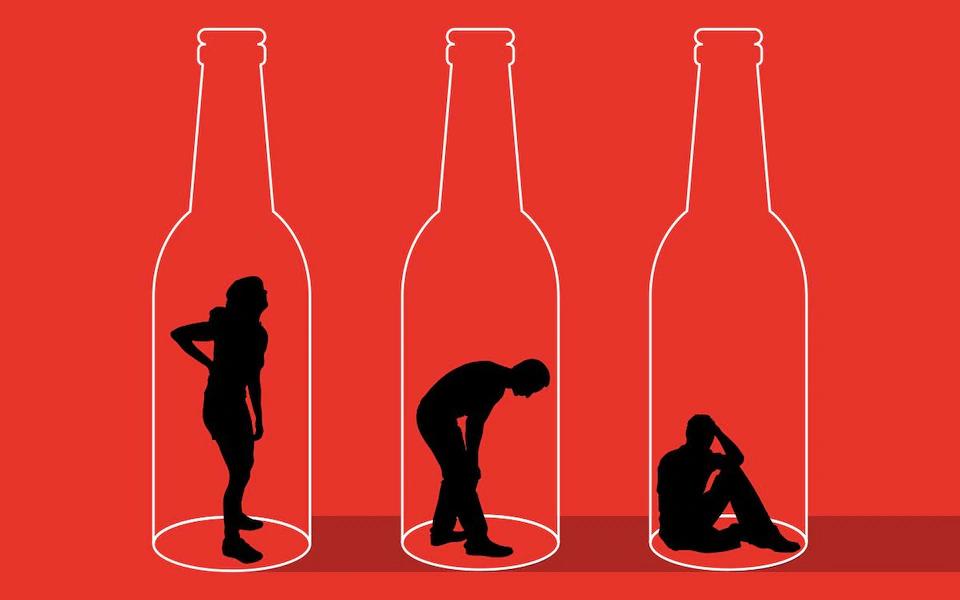
A BAD MIX: Alcohol is linked to age in lots of ways. You have to be old enough to drink it legally, and once you are, it can age you faster than normal. Heavy drinking can have a direct effect on certain parts of your body and on your mental health as you get older. And it can have some unhealthy indirect effects, as well.

IT CAN DEHYDRATE YOU: As you get older, you have less water in your body and -- for reasons that aren’t quite clear --you also feel thirsty less often. That makes seniors more likely to be dehydrated. Drinking alcohol can pull more water out of your body and make your chances of dehydration even higher.

IT CAN DRY YOUR SKIN: Our skin gets thinner and drier as we age. It’s a natural process called intrinsic aging, and it’s something you can’t control. Extrinsic aging is when your skin ages faster than it should because of your environment and how you live. That’s where alcohol comes in -- it dehydrates you and dries out your skin. You can slow that down by drinking less.

IT CAN MAKE VITAL ORGANS WEAKER: Alcohol can affect the way some vital organs work and make them age faster. While heavy drinkers are more likely to have cirrhosis (permanent damage to your liver)even moderate drinking can lead to problems like fatty liver disease. It also can make it harder for your kidneys to do their thing.

IT CAN SLOW YOUR BRAIN: Every alcoholic drink goes “straight to your head,” or at least to your brain. Heavy drinking over a long time can shrink brain cells and lead to alcohol-related brain damage (ARBD) and certain types of dementia. Symptoms of that include lack of judgment, organization, or emotional control, trouble staying focused, and anger issues.

IT CAN WEAKEN YOUR IMMUNE SYSTEM: Alcohol can affect the way your body fights off life-threatening illnesses like tuberculosis or pneumonia. This can be especially serious for older people. Researchers are also studying the possibility that alcoholic liver disease might be caused, at least in part, by your immune system attacking healthy body tissues.

IT CAN AFFECT YOUR HEART: Red wine has antioxidants called polyphenols that may help your cholesterol level and protect your blood vessels. If you drink it in moderation (about one glass a day), some studies show that it might be good for your heart. But too much can lead to an abnormal heartbeat and high blood pressure. So, if you don’t drink, this isn’t a good reason to start.

IT HITS YOU FASTER: People who drink may notice that they’re “feeling no pain” sooner as they get older. That’s mainly because our bodies gain fat and lose muscle in our senior years, and it takes longer for us to break down alcohol and get it out of our system. It also can make hangovers last longer.

IT CAN COMPLICATE THINGS: Alcohol may not only make you more likely to get sick as you age, it also can make common medical problems worse. Studies show that heavy drinkers can have a harder time with things like osteoporosis, diabetes, high blood pressure, stroke, ulcers, memory loss, and certain mood disorders.

IT CAN CHANGE HOW YOUR MEDS WORK: The older you get, the longer alcohol stays in your system. So, it’s more likely to be there when you take medicine.  And alcohol can affect the way your meds work. It can also lead to serious side effects. For example, drinking alcohol when you take aspirin can raise your chances of stomach problems or internal bleeding. Mixing it with certain sleeping pills, pain medications, or anxiety drugs can be life-threatening.

IT CAN MAKE YOU MORE LIKELY TO FALL: Broken bones from a stumble are a serious health issue for seniors. Heavy drinking can make them even more likely. It’s because alcohol can affect your balance and sense of judgment. Over time, it also can damage the cerebellum, the area in your brain that handles balance and coordination.

IT CAN KEEP YOU UP AT NIGHT: The idea of having a drink to relax before bedtime may not be a good one, especially as you get older. Instead of lulling you into a restful night, alcohol can actually keep you from getting to sleep and lead to restless slumber. That can be particularly hard on seniors, who are already more likely to wake up often or have a sleep disorder like insomnia.

YOU CAN DRINK...BUT: As with most things, moderation is key. People older than 65 who don’t take any medications should average no more than one drink a day (seven per week) and have no more than three at one sitting. (A drink is one 12-ounce can or bottle of beer, one 5-ounce glass of wine, or one 1.5-ounce shot of an 80-proof or less liquor.) Talk with your doctor to find out what’s right for you.

MEDICALLY REVIEWED BY: Smitha Bhandari, MD, WebMD, on February 02, 2021

SOURCES:

Cleveland Clinic: “Drink Up: Dehydration Is An Often Overlooked Health Risk For Seniors.”

Cleveland Clinic: “Dehydration Avoidance: Proper Hydration.”

American Academy of Dermatology: “What Causes Our Skin To Age?”

Fatty Liver Foundation: “What Is Cirrhosis?”

National Institute on Alcohol Abuse and Alcoholism: “Alcohol Metabolism: An Update,” “Alcohol and The Immune System,” “Older Adults,” “Mixing Alcohol With Medicines,” “Alcohol and the Cerebellum: Effects on Balance, Motor Coordination and Cognition.”

National Kidney Foundation: “Alcohol and Your Kidneys.”

Alzheimer’s Society: “Alcohol-Related Brain Damage,” “Symptoms of Alcoholic Dementia.”

American Lung Association: “Learn About Pneumonia.”

Oxford Academic: “Tuberculosis and Aging: A Global Health Problem.”

Mayo Clinic: “Red Wine and Resveratrol: Good For Your Heart?”

DrinkAware: “Alcohol and Heart Disease.”

Royal College of Psychiatrists: “Alcohol and Older People.”

National Institute on Aging: “Facts About Aging and Alcohol,” “Alcohol and Medicines.”

Endocrine Society: “Broken Bones Among Older People Increase Risk of Death for Up To 10 Years.”

American Family Physician: “Alcoholism In the Elderly.”

National Sleep Foundation: “Aging and Sleep.”

CDC: “Fact Sheets – Alcohol Use and Your Health.”

Much Love, Dr.Shermaine, #InformativeRead #PleaseShare #HealthyBodySoulAndSpirit #IWantYou2LiveWell #FeelFree2SignUpAndFollow

The Goal is to Always Make You Aware of What Concerns Your Body, Soul and Spirit, So You Can Have Open, Honest and Frequent Discussions With Your Physicians and Counselors. You Can’t Treat or Cure What You Don’t Know is Sick.
 
"It's Not Selfish to Love Yourself, Take Care of Yourself and to Make Your Happiness a Priority. It's a Necessity." (Mandy Hale)

"Self-Care is Not Selfish. You Cannot Serve From an Empty Vessel." (Eleanor Brown)

The contents of the WebMD and Self-Care With Dr. Shermaine Sites, such as text, graphics, images, and other material contained on the WebMD and Self-Care With Dr. Shermaine Sites ("Content") are for informational purposes only. The Content is not intended to be a substitute for professional medical advice, diagnosis, or treatment. Always seek the advice of your physician or other qualified health provider with any questions you may have regarding a medical condition. Never disregard professional medical advice or delay in seeking it because of something you have read on the WebMD and Self-Care With Dr. Shermaine Sites!

If you think you may have a medical emergency, call your doctor or 911 immediately. WebMD and Self-Care With Dr. Shermaine does not recommend or endorse any specific tests, physicians, products, procedures, opinions, or other information that may be mentioned on the Sites. Reliance on any information provided by WebMD, WebMD employees, others appearing on the Site at the invitation of WebMD, and Self-Care With Dr. Shermaine or other visitors to the Sites is solely at your own risk.  

Thursday, June 30, 2022

"What Heat Can Do to Your Body?"


SWEATING:
 It’s your natural cooling system. Your body pushes sweat out onto the surface of your skin. As the air absorbs it (evaporation), it draws heat away and cools you down. This works better in drier climates where humidity is low. You might get very tired and sometimes seriously ill if it doesn’t work quickly enough.

HEAT EXHAUSTION: It happens in extreme heat when your body can’t get cool enough and sweats away too much water and salt. You get pale and clammy, and your temperature often goes over 100 degrees. You also may be tired, weak, lightheaded, and nauseated, and have a headache. Get to a cool shaded area, lie down, and drink something with salt and sugar. Sip water if that’s all you have. If you ignore it, it could lead to heatstroke, which is an emergency. 

HEAT STROKE: This is heat at its most dangerous. You can’t control your body temperature, which can go above 104 degrees. Your skin gets warm and dry. You might get confused or agitated, and have a fast pulse, nausea, and a headache. Call 911 right away. Left untreated, it may cause seizures, coma, and can be life-threatening. Get to a cool area, sip something (if you can), and pack ice under your arms and between your legs.

DEHYDRATION: When it’s very hot, you can sweat away too much fluid, along with essential minerals like sodium and potassium. You may be thirsty and pee less than usual, and your mouth and tongue might feel dry. You could even feel dizzy, lightheaded, and confused. Head for a cool place and drink something balanced with salt and sugar (such as an oral rehydration solution). Serious cases need emergency care, including fluids you get through an IV.

HEAT RASH: It happens, often in hot humid weather, when you sweat so much that your sweat glands get blocked. When your pores can’t get rid of it, you break out in tiny red bumps. It’s more likely at your armpits, groin, neck, elbows, and under the breasts. Babies also can have the same type of reaction, especially under their chin or in their groin area, you can help prevent it and treat it if you wear light, loose, absorbent clothing like cotton. Try to stay as cool and dry as possible.

SUNBURN: Bare skin burns if it’s in the sun too long. It may get reddish, itchy, painful, and warm to the touch. If serious, you could have blisters, headache, fever, and nausea. In the long run, sunburn increases the risk of developing skin cancer, Go inside as soon as possible. Drink plenty of water, and don’t pop any blisters. A cold, damp cloth and aloe vera lotions may help soothe the pain. Better yet, prevent sunburn with clothes, hats, and broad-spectrum sunscreen of at least 30 SPF.

FAINTING: It’s more likely when you’re new to a hot place, so take care to stay hydrated. Heat can dehydrate you and make it harder for your brain to get enough blood. That may make you dizzy and pass out. It might be worse if you stand for a long time or get up suddenly. Getting used to a hotter place can take up to 2 weeks. If you feel faint, lie down and raise your legs above your head. Go to a cool area and drink fluids as soon as possible.

HEAT EDEMA: Heat can cause your fingers, toes, or ankles to swell and make your skin feel tight. It's not serious and usually goes away when you cool down and elevate your legs. Talk to your doctor if it causes pain, keeps happening, or doesn't get better.

HIGHER HEART RATE: When you get hot, your heart may beat faster. It does that in order to pump more blood to your skin, where it can release some of that extra heat. As a result, other parts of your body may not get enough blood. This could make you tired and sluggish, especially if you’re trying to do hard physical or mental work.

LOWER BLOOD PRESSURE: When you’re hot, you sweat. That makes you lose fluids and electrolytes. In addition, heat makes your blood vessels dilate to increase sweating. Together, these things can drop your blood pressure, sometimes enough to make you dizzy or even pass out. It could be even worse if your heart doesn’t pump normally and isn’t able to adjust to the greater demand.

CONFUSION: You may find it harder to concentrate and do hard tasks as things heat up. It’s usually nothing to worry about, and you can fix it with a rest in a cool place and something to drink. But if you’re already sick from the heat and you become seriously confused about where you are or what you’re doing, it could be a sign of heatstroke, which needs immediate medical care. 

SHOULD YOU EXERCISE IN THE HEAT? You might be fine exercising outside when it’s 85 degrees and the humidity is low. But if the humidity hits 80%, it’s like it’s really 97 degrees. (That’s the “effective temperature,” which you can check online.) Even if you’re healthy, that makes you more likely to get heat exhaustion. Wear loose clothing, drink plenty of water, and know the signs of heat-related illness. Or just take your workout indoors!

PRECAUTIONS: When a heat wave hits: 

  • Drink lots of water, even if you’re not thirsty.
  • Avoid caffeine and alcohol, which dehydrate you.
  • Eat lighter meals, more often.
  • Wear lightweight, light-colored clothing.
  • Check on loved ones who live alone or don’t have air conditioning.
  • Stay inside as much as possible and avoid outdoor chores.
  • Never leave a child or pet alone in a car, even if it’s not that hot outside.
EXTREME HEAT: It can be life-threatening, and heat exhaustion and heatstroke aren't the only reasons. Heat can also trigger heart issues, and even worsen breathing problems, as it boosts air pollution. Your city or local health department may have online information about where to find public pools, air-conditioned spaces, medical assistance, and other help during a heat wave.

BY: Medically Reviewed by Sabrina Felson, MD, WebMD on June 12, 2020

SOURCES:

American Academy of Dermatology: “Treating Sunburn.”

American Council on Exercise: “Considerations for Exercising in the Heat.”

Canadian Centre for Occupational Health and Safety: “Hot Environments -- Health Effects and First Aid.”

CDC: “Extreme Heat Can Impact Our Health in Many Ways,” “Warning Signs and Symptoms of Heat-Related Illness.”

Familydoctor.org: “Heat Rash.”

Harvard Health Publishing: “Heat is hard on the heart; simple precautions can ease the strain.”

Johns Hopkins Medicine: “Heat-Related Illnesses (Heat Cramps, Heat Exhaustion, Heat Stroke).”

Mayo Clinic: “Sunburn.”

NIH News in Health: “Stay Cool.”

PubMed Health: “Edema.”

The Red Cross: “Heat Wave Safety.”

University of Connecticut Korey Stringer Institute: “Heat Syncope.”

Much Love, Dr.Shermaine, #InformativeRead #PleaseShare #HealthyBodySoulAndSpirit #IWantYou2LiveWell #FeelFree2SignUpAndFollow

The Goal is to Always Make You Aware of What Concerns Your Body, Soul and Spirit, So You Can Have Open, Honest and Frequent Discussions With Your Physicians and Counselors. You Can’t Treat or Cure What You Don’t Know is Sick.
 
"It's Not Selfish to Love Yourself, Take Care of Yourself and to Make Your Happiness a Priority. It's a Necessity." (Mandy Hale)

"Self-Care is Not Selfish. You Cannot Serve From an Empty Vessel." (Eleanor Brown)

The contents of the WebMD and Self-Care With Dr. Shermaine Sites, such as text, graphics, images, and other material contained on the WebMD and Self-Care With Dr. Shermaine Sites ("Content") are for informational purposes only. The Content is not intended to be a substitute for professional medical advice, diagnosis, or treatment. Always seek the advice of your physician or other qualified health provider with any questions you may have regarding a medical condition. Never disregard professional medical advice or delay in seeking it because of something you have read on the WebMD and Self-Care With Dr. Shermaine Sites!

If you think you may have a medical emergency, call your doctor or 911 immediately. WebMD and Self-Care With Dr. Shermaine does not recommend or endorse any specific tests, physicians, products, procedures, opinions, or other information that may be mentioned on the Sites. Reliance on any information provided by WebMD, WebMD employees, others appearing on the Site at the invitation of WebMD, and Self-Care With Dr. Shermaine or other visitors to the Sites is solely at your own risk. 
 

Wednesday, February 2, 2022

“How to Make a Fire Evacuation Plan for Your Home”


When you’re busy with everyday life, the idea of your home catching on fire might seem like a distant threat. But a blaze can erupt unexpectedly, such as from a cooking mishap, a dropped cigarette, or faulty heating, lighting, or electrical appliances. The flames and smoke could spread through your home within 1 or 2 minutes, leaving you little time to escape. A fire evacuation plan can help everyone in your home escape safely.

HOW DO YOU CREATE A FIRE EVACUATION PLAN? Install smoke alarms on each level of your home. Place one in and outside every room where someone sleeps Your smoke alarms need to be interconnected -- meaning if one sounds off, they all do -- to meet safety codes. Teach everyone in your family, especially children, what your smoke alarms sound like. Explain that if an alarm goes off, it means everybody needs to go outside and stay out. Only fire crew members should go back inside a burning building for people or pets.

CHECK FOR EXITS AND ESCAPE ROUTES: Walk through your home and look for two ways (if possible) to get out of each room, like through a door and a window. If you have kids, you could draw a simple floor-plan map of your home and mark these ways out. Let your family members know that the safest escape route during a fire is the one with the least smoke and heat. Choose a place for all of you to meet outside, and mark it on your map. The meetup spot should be a safe distance from your home, like at a neighbor’s house, a light post, or a mailbox.

SET UP A FAMILY CONTACT PLAN: Tell each of your family members who they should call in case you can’t find each other once you’re outside.

DOUBLE-CHECK SECURITY DEVICES. Do your windows or doors have security bars? If so, make sure the bars have built-in emergency release devices, so you can open them right away in case a fire breaks out.

BE READY TO ASSIST LOVED ONES: You might be living with relatives who would need help getting out of the house during a fire, like:

  • Babies or children younger than 6 years old
  • Elderly adults
  • Someone who has trouble moving

Choose able-bodied family members to help these loved ones during practice fire drills and in case of a real fire. Assign backup helpers if you can, too, in case your first choices aren’t home.

LEARN THE FIRE DEPARTMENT’S PHONE NUMBER. Write it down, put it into your cellphone, and help everyone in your family memorize it. In general, call the fire department or 911 after you’ve safely escaped outside.

MAKE SURE YOUR HOME’S STREET NUMBER IS VISIBLE: It should be easy to see from the road, so fire crews and other first responders can spot it. If it isn’t visible, paint it on the curb or install numbers on the front of your home.

SHARE YOUR FIRE EVACUATION PLAN. When guests stay in your home, tell them about your plan. If you or someone in your family stays overnight at a friend’s home, ask them if they have a fire escape plan. If they don’t, you could offer to help them make one. It’s extra important to ask when your child sleeps over at a friend’s house, for example.

HOW SHOULD YOU TEST YOUR PLAN? Once you’ve written down your fire evacuation plan and discussed it with everyone in your home, take these steps to make sure it works well:

RUN A PRACTICE FIRE DRILL TWICE A YEAR: Try it once at night and once during the day. Use your smoke alarm’s test button to sound the siren -- or simply shout “fire” -- and then put your evacuation plan into motion. Have everyone who lives with you participate and practice it using different ways out of the home. Aim to have everybody get outside of your home in under 2 minutes. If it takes longer, try again. You can download the “Make Safe Happen” app for a timer to practice your evacuation plan.

TEST YOUR SMOKE ALARMS: Follow the manufacturer’s directions on how to do this. Check the alarms once a month to make sure they’re working -- many alarms come with a “test” button. Replace the batteries at least once a year, too. When you practice a fire drill at night, use your alarms’ “test” function to find out if the sound wakes up your loved ones. If it doesn’t wake them, assign someone to wake any heavy sleepers in your home in case of a real fire.

REMIND OTHERS TO CLOSE DOORS. Studies show that closed doors can create a barrier between you and harmful smoke, carbon monoxide, and flames during a fire. If someone is trapped in a burning building, closed doors can potentially save their life if they aren’t able to escape. Experts have found that during a fire, rooms with closed doors had temperatures of less than 100 F, while rooms with opened doors were over 1,000 degrees. In larger buildings (like apartments or other high-rise complexes), most fire codes require doors to be spring-loaded so that they’ll automatically close during a fire. Open doors can allow for deadly smoke to spread quickly through large buildings. If doors aren’t automatically closing behind you, close them as you exit the building during a fire.

TEACH YOUR CHILDREN. Help them get the hang of the escape plan by practicing it during the day first. Then do a fire drill at night after they’ve gone to sleep. You can tell them before bedtime that you’re going to do a drill, so they’re not scared when you wake them up. It’s also a good idea to show your children how to:

  • Escape by themselves in case you can’t help them
  • Use the back of their hand to check closed doors for heat before they open them
  • Find a different way out if a door feels hot
  • Close any doors they pass through on their way out. This can slow the fire’s spread and buy more time to escape.

Also, teach your children how to stop, drop, and roll to help put out the flames if their clothes catch fire. This means they should:

  • Stop where they are.
  • Drop to the ground and cover their eyes and mouth with their hands.
  • Roll over and over and back and forth until the flames are gone.
  • Ask a grown-up to help them cool the burn and get them medical care.

PRACTICE CRAWLING UNDER SMOKE: A real-life fire can give off thick smoke that makes it hard to breathe and see. If you need to escape through a smoky part of your home, drop to your hands and knees to get under it. Practice this during a fire drill by having everyone crawl to an exit.

KEEP ESCAPE ROUTES CLEAR: Move any items that could block a door or window and make it harder to get out. Barriers to be aware of include:

  • Furniture
  • Padlocks
  • Toys
  • Christmas trees or other decorations
  • Hurricane shutters
  • Nails or paint holding a window shut
  • Plastic window insulation for cold weather

CONSIDER ESCAPE LADDERS: If you live in a two-story home, it’s important for everyone (kids included) to be able to escape from rooms on the second floor. You could consider installing escape ladders in or near windows to make this possible. Follow the manufacturer’s directions on how to set up and use a ladder. You’ll need to do this quickly during a fire, so practice. Also have your children practice climbing down the ladder from a first-floor window, only while you or another adult watches them. Keep any escape ladder you buy near the window where you intend to use it, so you’ll know where to find it during a fire.

WHAT SHOULD YOU DO IF YOU LIVE IN A HIGH-RISE? If you live several stories off the ground in an apartment or condo unit, your fire evacuation plan should include: Learn about all the fire safety features in your building. These could include fire alarms, sprinkler systems, and an escape plan for all residents. You can ask your landlord or the building’s manager to walk you through these features. If your building doesn’t have a sprinkler system, ask your landlord or the managers to install one. Find out where all the exit stairs on your floor are. That way, if one flight of stairs is blocked by smoke or fire, you can use another one. In general, you shouldn’t use a building’s elevator unless the fire department tells you to. Still, some buildings have elevators that are meant for emergency use. If your building has one, it should have a marking or sign that specifies it’s safe to use in case of an emergency.

Check your floor’s exit and stairwell doors. They should be:

  • Clearly marked as exits
  • Not blocked by clutter
  • Not locked or sealed off by security bars

If you see flames or smoke in your unit or in the building, pull the fire alarm before you leave to alert your neighbors and the fire department. If you hear the fire alarm go off, don’t open any closed doors in your unit until you use the back of your hand to feel for heat. If the door is hot, try to find another safe way out. If it’s cool, you can open it. Close all doors behind you on your way out. If you hear an announcement through your building’s speaker system, listen carefully and follow the instructions.

WHAT IF YOU GET TRAPPED DURING A FIRE? Heavy smoke or flames might block your escape routes. Or you might be trapped in a high-rise apartment or condo with no safe way down. Use these steps to seal yourself in for safety while you wait for a fire crew.

  • Shut all doors between yourself and the fire.
  • Plug door cracks and cover air vents with duct tape or wet towels to block smoke.
  • If possible, open any windows in the room at the top and bottom so fresh air can come in. Close them if it makes the smoke worse.
  • Call the fire department or 911 and tell them exactly where you are. Once they arrive, try to flag them down by waving a flashlight or a bright cloth out the window.

BY: Evan Starkman, WebMD

SOURCES:

National Fire Protection Association: “Clear Your Escape Routes!” “Escape Planning,” “Home Structure Fires,” “How to Make a Home Fire Escape Plan,” “Know When to Stop, Drop, and Roll,” “High-rise Apartment and Condominium Safety.”

American Red Cross: “The 7 Ways to Prepare for a Home Fire.”

Ready.gov: “Practice Your Home Fire Escape Plan.”

Federal Emergency Management Agency (FEMA): “Every Second Counts: Plan 2 Ways Out!” “Smoke Alarm Outreach Materials.”

AP News: “Bronx apartment fire kills 19, including 9 children.”

International Fire Chiefs Association: “UL FSRI Survey: More Americans Close Doors for Fire Safety, But There is Still Work to Do.”

Fire Safety Research Institute: “Close Before You Doze.”

2015 International Fire Code (IFC): “Fire and Smoke Protection Features.” 

Much Love, Dr.Shermaine, #InformativeRead #PleaseShare #HealthyBodySoulAndSpirit #IWantYou2LiveWell #FeelFree2SignUpAndFollow

The Goal is to Always Make You Aware of What Concerns Your Body, Soul and Spirit, So You Can Have Open, Honest and Frequent Discussions With Your Physicians and Counselors. You Can’t Treat or Cure What You Don’t Know is Sick.
 
"It's Not Selfish to Love Yourself, Take Care of Yourself and to Make Your Happiness a Priority. It's a Necessity." (Mandy Hale)

"Self-Care is Not Selfish. You Cannot Serve From an Empty Vessel." (Eleanor Brown)

The contents of the WebMD and Self-Care With Dr. Shermaine Sites, such as text, graphics, images, and other material contained on the WebMD and Self-Care With Dr. Shermaine Sites ("Content") are for informational purposes only. The Content is not intended to be a substitute for professional medical advice, diagnosis, or treatment. Always seek the advice of your physician or other qualified health provider with any questions you may have regarding a medical condition. Never disregard professional medical advice or delay in seeking it because of something you have read on the WebMD and Self-Care With Dr. Shermaine Sites!

If you think you may have a medical emergency, call your doctor or 911 immediately. WebMD and Self-Care With Dr. Shermaine does not recommend or endorse any specific tests, physicians, products, procedures, opinions, or other information that may be mentioned on the Sites. Reliance on any information provided by WebMD, WebMD employees, others appearing on the Site at the invitation of WebMD, and Self-Care With Dr. Shermaine or other visitors to the Sites is solely at your own risk. 
 

Wednesday, October 27, 2021

“Your Eyewear Guide for Vision, Sport, and Fashion”


SCREEN FATIGUE: COMPUTER LENSES: Screen time can be a key factor in choosing eyewear today, with 70% of daily computer users reporting eye strain. Computer glasses may ease the blur.  Manufacturers say they help your eyes adapt to electronic words and images, typically viewed farther away than a book. Look for anti-reflective coating and consider a tint to reduce glare from harsh overhead lighting.

PRESBYOPIA: READERS - Fine print seems to shrink as we age. What really happens is presbyopia -- the eye loses its ability to change focus. Reading glasses can help bring blurry print into sharp focus. You can buy "readers" at many stores. But if you need different strengths for each eye, require bifocals, or have an oddly shaped eye -- called astigmatism -- see an eye care professional.

NEARSIGHTEDNESS: ON THE RISE - If it seems like more people wear glasses at younger ages, you're right. Myopia, blurry distance vision, has been on the rise since the '70s. Farsightedness, or hyperopia, is less common. Both require corrective lenses.  It's a myth that getting glasses will make your eyes weak - as long as you are wearing glasses with the proper prescription. People may need stronger vision correction as they age. But that happens whether or not you wear glasses.

COKE-BOTTLE LENSES: NEW TECHNOLOGY - Do you avoid a new prescription for fear of thick glasses and a "bug-eye" look?  Ask your eye care provider about high-index lenses, which are thinner and lighter than traditional lenses.  You also may consider aspheric lenses, which are thinned out on the sides. Lenses can be both aspheric and high index. Both can help you avoid a thick, unflattering shape.

BIFOCALS AND BEYOND: Do you need different glasses to watch TV and to read? You may be a candidate for multifocal lenses. Bifocals have an area at the bottom for reading. The rest is for distance. Trifocals add a middle zone for vision 18 to 24 inches away, handy for computers. Progressive lenses, or "no-line bifocals," offer a gradual shift in strength -- invisible to your younger co-workers.

RISKY GAMES: POLYCARBONATE LENSES - A racquetball travels between 100 and 150 mph. Imagine the force of that ball hitting you in the eye! Your best protection is sports frames with polycarbonate plastic lenses. They're 10 times stronger than other materials and polycarbonate material has the benefit of built-in UV protection as well. Sports with the most eye injuries include all racket sports, baseball/softball, ice hockey, basketball, and lacrosse. Protective eyewear could prevent 90% of sports-related eye injuries so it is strongly recommended.

ADVANTAGE: YELLOW LENSES - If you're wearing sunglasses for sports, consider colored lenses that may enhance vision for your particular sport. Yellow lenses may help in low light or haze to provide a sharper image. They're popular with skiers and snowboarders, cyclists, and indoor athletes like basketball players and racquetball players.

ADVANTAGE: GREEN LENSES - Green lenses may heighten contrast while still keeping the balance of colors. They're popular for golf and baseball. Golfers say the green lenses make the ball stand out on the green. It's not yet clear that one lens color has the edge over another, so try before you buy. Many stores have samples to try with simulated light to see what color might work for you.

WHEN DO YOU NEED AN EYE TEST? Getting the newest lens technology starts with an eye test. You should have an exam at least every two years -- to be sure your glasses are the right prescription and to look for medical issues. An exam can find cataracts and glaucoma, as well as illnesses like diabetes, heart disease, aneurysms, HIV, and cancer. Signs of disease may be visible in, on, or around the eyes long before symptoms appear.

WARNING SIGNS OF EYE TROUBLE: Call your eye doctor right away for any of the following symptoms:

  • Sudden appearance of floaters in your vision
  • Partial loss of vision
  • Sudden eye pain or redness
  • Scratchy, irritated feeling
  • Blurriness or cloudiness
  • Flashes of light

Little cobwebs or specks that move in your vision may be harmless floaters. But it's best to see a doctor with any concerns.

MATCH EYEWEAR TO YOUR LIFE: Start with practical considerations when choosing eyewear. If you tend to crush things in your purse, remember that metal frames bend (and can be repaired), but plastics break. You should never leave glasses in a hot car, but could it happen to you? Plastic frames warp and can't be fixed. Metal frames just get really hot. If you don't like glasses or need peripheral vision for sports, contacts are a great alternative.

FRAMED: FLATTER YOUR FACE - When picking glasses, have your prescription in hand and consider these guidelines:

  • Smaller frames hide a strong prescription.
  • Contrast flatters the face shape. For example, squarish frames on a round face.
  • Strong, dark frames draw attention away from features you don't like (a chubby chin).
  • Cat's-eye frames that point up at the corners can give the appearance of a mini facelift.
  • Color can blend with your hair and eyes, or contrast for a bigger statement.

FRAMED: FOR BUSINESS - If you work in a traditional field, think about titanium, stainless steel, or rimless frames for a professional look. For men, consider frames in brown, black, silver, or gunmetal. They're conservative colors and easy to match with professional clothes. For women, consider black, brown, silver, burgundy, and golden tones for the same reason. Tortoise-shell tones also are a classic.

FRAMED: GET CREATIVE - Show off your creative fashion sense with interesting metal or plastic frames in unusual colors and unique designs. Look for geometric shapes, contemporary larger frames, multi-color laminates, prints (animal and flower), or lasered details. Retro and vintage styling -- ranging from cat's-eyes to aviators to mod fashions -- also are back in style.

FRAMED: GEMS, WOOD, HORN, AND MORE - If you want your personality to shine, look for trendy frame materials. You can find frames in wood, bone, and even buffalo horn. Show flair with gold (yes, real gold) frames or frames decked out in crystals or semi-precious or precious stones. Some frames are leather or wrapped in velvet. You may even find frames adorned in feathers, for an airy statement of your personal style.

SUNGLASSES: A CLOUDY DAY MUST - Harmful ultraviolet (UV) rays can pass through clouds, so sunglasses are a must -- sunny and cloudy day alike. Sand, snow, water, and your car's windshield all reflect extra light and call for eye protection. Look for sunglasses with 99% or 100% UVA and UVB blocking. As an added benefit, sunglasses help protect the tender skin around your eyes and may help prevent cataracts. Bonus fact:  driving exposes you to a lot of UV too, so consider a clear UV film for your car‘s side windows (front shields all have good protection).

GOODBYE GLARE: POLARIZED LENSES - Sunglasses with polarized lenses are popular with people who spend time on the water or in the snow because they cut glare from reflected surfaces. And they've been adopted by many others who like a glare-free view. Anti-reflective coatings fight glare, too. Mirror-coated lenses have a purpose beyond their style: They limit light coming into the eye, great for very bright conditions.

BLUE BLOCKERS: CLARITY AND SLEEP - Blue blockers usually have amber-colored lenses. They block blue light, which has been linked to eye strain. Because they also heighten contrast, they're popular with hunters, pilots, boaters, and skiers. Blue light also suppresses melatonin, the sleep hormone. At least one study showed that people who wore blue blockers in the morning slept better at night.

SOMETHING SHADY: PHOTOCHROMIC LENSES - When you need glasses but don't want to also buy prescription sunglasses, photochromic lenses are an option. They're clear indoors and darken automatically in bright sunlight. They block 100% of harmful UV rays and are handy for kids, who play outdoors a lot. One downside: They don't darken in a car; most windshields filter out the UV rays that trigger the color change.

HOW DOES THE SUN DAMAGE YOUR EYES? As we age, the odds of developing cataracts -- cloudiness of the eye's lens -- increase. Wearing sunglasses may delay cataracts. Sunglasses also may protect against macular degeneration (a disease of aging that harms central vision) and growths on the eye, both benign and cancerous. After cataract surgery, polarized glasses -- even indoors -- may reduce discomfort from glare.

DON'T SKIMP ON KIDS' SUN PROTECTION: Children need sunglasses just as much as adults do, maybe more -- because they're outside more often than adults are and their eyes are more sensitive. Make sure kids' sunglasses offer the same UV protection that you'd look for in an adult pair. Although 2/3 of adults buy sunglasses for their children, only 13% check to make sure they protect against UV rays. Think of sunglasses like “sunscreen for your child’s eyes”

SCREEN TIME AND CHILDREN'S VISION: Do your kids have their noses glued to the computer or video game system? Get them outside. Some studies show that children who spend a lot of time on the computer or doing other up-close work, even reading, have a higher rate of myopia than other kids. And kids who spend a lot of time outside have lower rates of myopia. Pediatricians recommend no more than two hours a day of screen time for kids.

PROTECTING EYES ON THE JOB: Research shows 2,000 people each year have eye-related injuries on the job. About 90% of them might have been prevented by wearing eye protection. Eye injuries are caused by chemicals, foreign objects in the eye, steam burns, radiation exposure, and contagious diseases. Nonprescription safety eyewear offers good protection.  It must have nonremovable lenses and be permanently marked with "Z87."

UNDERWATER VISION: GOGGLES - When swimming, snorkeling, or scuba diving with beautiful undersea creatures, using prescription glasses or contact lenses can be tricky. One option: goggles or scuba masks custom-made for your vision. You may need a slightly different prescription for underwater use, because goggles can sit a little closer to your eyes than regular lenses, and a mask sits further away.

MEDICALLY REVIEWED BY: Whitney Seltman, OD on December 21, 2020, WebMD

REFERENCES:

All About Vision: "Aspheric Lenses for Better Vision and Appearance," "Bifocals and Trifocals: Solutions for 'Short Arms,' " "Choosing Eyeglasses That Suit Your Personality and Lifestyle," "Computer Glasses: Relieving Computer Eye Strain," Computer Vision Syndrome and Computer Glasses FAQ, "Eyeglass Frame Materials," "High Index Lenses are Thin and Light," "Polarized Lenses," "Reading Glasses," "Scuba Diving Masks and Swim Goggles," "Sunglasses: Frequently Asked Questions," "Ten Warning Signs of Age-Related Eye Problems," "Your Guide to Sports Sunglass Lens Tints."
American Academy of Ophthalmology: "Sunglasses: Protection from UV Damage."
American Academy of Pediatrics, Pediatrics, February 2001.
American Optometric Association: "Healthy Vision on the Job Is Everyone's Business," "Keep an Eye on Harmful UV Rays," "Protecting Your Eyes at Work."
Andrea Thau, optometrist, spokesperson for the American Optometric Association; associate clinical professor, SUNY College Optometry.
Archives of Ophthalmology, 2004.
Bryant, Gaye, LDO, ABOC, NCLEC, Eye Consultants of Atlanta.
Butson, S. Optometry, 2002.
CDC: "Skin Cancer: Prevention."
Davis, F. Championship Racquetball, Human Kinetics, 2011.
Family Doctor: "Eye Problems."
David O. Meldrum, LDO, Eye Consultants of Atlanta.
National Eye Institute, National Institutes of Health: "Sports-Related Eye Injuries: What You Need to Know and Tips for Prevention," "Facts About Aging-Related Macular Degeneration," "Facts About Cataract," "Facts About  Floaters," "Myopia on the Rise in the U.S. Population."
Rose, K. Ophthalmology, August 2008.
Sasseville, A. Chronobiology International, July 2009.
Seang-Mei, S. Investigative Ophthalmology & Visual Science, February 2002.
TASCO: "The New ANSI Z87.1-2003 Standard."
University of Illinois at Chicago: "Presbyopia, Why Bifocals?"
University of Illinois Eye & Ear Infirmary: "Vision Myths."
West, K. Journal of Applied Physiology, March 2011.
Wolffshon, J. Optometry and Vision Science, February 2000.

Much Love, Dr.Shermaine, #InformativeRead #PleaseShare #HealthyBodySoulAndSpirit #IWantYou2LiveWell #FeelFree2SignUpAndFollow

The Goal is to Always Make You Aware of What Concerns Your Body, Soul and Spirit, So You Can Have Open, Honest and Frequent Discussions With Your Physicians and Counselors. You Can’t Treat or Cure What You Don’t Know is Sick.
 
"It's Not Selfish to Love Yourself, Take Care of Yourself and to Make Your Happiness a Priority. It's a Necessity." (Mandy Hale)

"Self-Care is Not Selfish. You Cannot Serve From an Empty Vessel." (Eleanor Brown)

The contents of the WebMD and Self-Care With Dr. Shermaine Sites, such as text, graphics, images, and other material contained on the WebMD and Self-Care With Dr. Shermaine Sites ("Content") are for informational purposes only. The Content is not intended to be a substitute for professional medical advice, diagnosis, or treatment. Always seek the advice of your physician or other qualified health provider with any questions you may have regarding a medical condition. Never disregard professional medical advice or delay in seeking it because of something you have read on the WebMD and Self-Care With Dr. Shermaine Sites!

If you think you may have a medical emergency, call your doctor or 911 immediately. WebMD and Self-Care With Dr. Shermaine does not recommend or endorse any specific tests, physicians, products, procedures, opinions, or other information that may be mentioned on the Sites. Reliance on any information provided by WebMD, WebMD employees, others appearing on the Site at the invitation of WebMD, and Self-Care With Dr. Shermaine or other visitors to the Sites is solely at your own risk.  

"13 Ways to Use Apple Cider Vinegar That Will Change Your Life!"

    Of all the well-touted natural health remedies that exist today, very few are followed quite as religiously as taking a tablespoon or tw...