Search This Blog

Showing posts with label Brain. Show all posts

Wednesday, October 12, 2022

"How to Quiet Your Mind?"


BREATHE: We do this all the time, but to use your breathing to find stillness, be more careful and conscious about it. Pay attention to the rhythm. If you take short, quick breaths, try to move toward slower, deeper ones. Put your hand on your belly: You should feel it rise and expand as you draw air in and fall as you let it out. Shoot for about six breaths a minute.

WATCH FISH SWIM: People with home aquariums say they feel calmer, more relaxed, and less stressed when they gaze at their fish, and science backs it up. It isn't just the water, although that alone helps. A study using a tank hundreds of times larger found that the more types of marine life that were added, the happier people got. Heart rates and blood pressures dropped, too.

EXERCISE: Just 5 minutes of aerobic exercise, like a brisk walk, could start to calm your mind. It releases endorphins -- chemicals that make you feel good and can help improve your mood, focus, and sleep. High-intensity interval training (HIIT) can give you a big dose of them in a short time. After warming up, alternate 20- to 30-second bursts of pushing yourself hard (like doing sprints, squats, or fast weightlifting) with equal amounts of rest.

LISTEN TO MUSIC: It literally calms the activity in your brain. Fewer neurons fire in your amygdala (the part of your brain that responds to fear), which may lead to fewer signals sent to other parts of your brain. Music is a good thing to try if you're distracted by pain. Listen closely, not just as background. The more you notice, the less you'll dwell on your other thoughts.

HELP SOMEONE: It lights up parts of your brain that make you feel pleasure and connection. Doing something nice for someone lowers stress and lessens feelings of loneliness. It may even boost your heart health and immune response. Fun fact: When you spend money on other people, your body releases more endorphins (the same chemicals from exercise) than when you spend on yourself.

GO OUTDOORS: Being in and around nature often makes people think more clearly and feel more relaxed and refreshed. Your brain doesn't have to work as hard in a greener environment. In one study, after 20 minutes in a park, children with ADHD were able to concentrate better. Spending time outside can also bring down your heart rate, blood pressure, stress hormones, and even muscle tension.

PROGRESSIVE MUSCLE RELAXATION: Use the connection with your body to soothe your mind. Pick a body part -- foot, leg, mouth, eyes -- and tense it for a few seconds. Then release and relax for 10 seconds or so. Notice how that feels different. Switch to another part and keep going until you've done your whole body. This can also improve sleep and may even ease headaches and stomachaches.

HANG OUT WITH A DOG: Whether it's a member of your family or a therapy dog, a friendly pooch can make you feel less anxious, tense, confused, and restless. When you pet and play with them, it seems to lower levels of stress hormones. One reason could be that your body releases oxytocin, a hormone that plays a role in bonding and trust. (Although not studied as much, cats can calm you, too.)

GUIDED IMAGERY: Think of a favorite spot, real or imagined, that makes you calm and happy: perhaps a beach at sunset, a comfy chair in front of a fireplace, or a stream in the forest. Focus on details. Can you smell pine needles, for example? See bubbles in the water? Hear the gurgle and splashing? There are audio recordings and apps that can help you through this process.

HATHA YOGA: This mix of challenging poses and controlled breathing helps you turn your awareness to being in the present moment instead of judging yourself and others. There's also evidence that a regular practice lessens anxiety and takes the edge off your natural stress response. Plus, it's exercise that builds your strength and flexibility. Go to a class, and you'll get the benefits of socializing with other people, too.

GET CREATIVE: Activities like coloring books, knitting, scrapbooking, and pottery offer an escape for a busy mind. Simple, repetitive actions, especially -- like kneading dough -- can help you redirect your thoughts and tune out the chatter in your head. Let your inner child play! The key is to enjoy the process and not worry so much about the result.

TAKE A BREAK: When you find your mind racing full-speed or spiraling down a rabbit hole, change your focus: stretch, daydream, walk around, get a snack, or chat with a friend. Take at least 5 minutes to recharge and reset. You'll be more centered and clear-headed. If you're going to be working intently, set a timer or use an app to remind you to stop every 90 minutes or so.

DIG IN THE DIRT: It's not just the great outdoors and the exercise at work here. The soil itself has microorganisms that might help you focus and lift your mood. Gardeners are less depressed and anxious, and they feel more connected to their communities.

BIOFEEDBACK: This technique teaches you to control your reactions to stress. Working with a therapist, you're hooked up to a computer that shows your brainwaves. You could track your heart rate, skin temperature, and breathing, too. This lets you see in real time what happens when you're triggered and when you try to counteract it. Over time, you'll figure out how to calm your body's response on your own.

MEDICALLY REVIEWED BY: Stephanie S. Gardner, MD, WebMD on November 04, 2020

SOURCES:

Mindful: "A 5-Minute Breathing Meditation To Cultivate Mindfulness."

Cleveland Clinic: "Exercise: Mind-Body Exercises & Heart Health," "3 Reasons Adult Coloring Can Actually Relax Your Brain."

Seleni: "How can I stop my racing thoughts?"

National Sleep Foundation: "Relaxation Exercises for Falling Asleep."

Psychological Reports: "Benefits, Problems, and Characteristics of Home Aquarium Owners."

Anthrozoƶs: "Effect of aquariums on electroconvulsive therapy patients."

Marriage & Family Review: "Health, Aquariums, and the Non-Institutionalized Elderly."

BBC: "Aquariums 'deliver significant health benefits.' "

Journal of Environmental Psychology: "Blue space: The importance of water for preference, affect, and restorativeness ratings of natural and built scenes."

WallaceJNichols.org: "The Cognitive Benefits of Being by Water."

Environment and Behavior: "Marine Biota and Psychological Well-Being: A Preliminary Examination of Dose-Response Effects in an Aquarium Setting."

Anxiety and Depression Association of America: "Exercise for Stress and Anxiety."

Mental Health Foundation: "Physical activity and mental health," "Altruism and wellbeing."

American Council on Exercise: "8 Reasons HIIT Workouts are So Effective."

PLOS ONE: "Twelve Weeks of Sprint Interval Training Improves Indices of Cardiometabolic Health Similar to Traditional Endurance Training despite a Five-Fold Lower Exercise Volume and Time Commitment."

American Journal of Public Health: "The Connection Between Art, Healing, and Public Health: A Review of Current Literature."

The Dana Foundation: "The Amygdala: The Body’s Alarm Circuit."

British Journal of General Practice: "Music: a better alternative than pain?"

Mind: "How could relaxation help me?"

MentalHelp.net: "Socialization And Altruistic Acts As Stress Relief."

Berkeley Wellness: "The Benefits of Giving."

Ecotherapy -- the green agenda for mental health, Mind, 2007.

Peacock, J. The mental health benefits of green exercise activities and green care, Mind week report, February 2007.

Frontiers in Psychology: "The great outdoors? Exploring the mental health benefits of natural environments," "Psychosocial and Psychophysiological Effects of Human-Animal Interactions: The Possible Role of Oxytocin."

Journal of Attention Disorders: "Children With Attention Deficits Concentrate Better After Walk in the Park."

University of Minnesota, Taking Charge of your Health & Wellbeing: "How Does Nature Impact Our Wellbeing?"

Heart.org: "Spend Time in Nature to Reduce Stress and Anxiety."

AnxietyCanada: "How to do Progressive Muscle Relaxation."

Hormone Health Network: "What is Oxytocin?"

DIVERSEability: "Cats Make Great Therapy Animals."

Anxiety Canada Youth: "Visualizations: Mental Vacations."

Harvard Health Publishing: "Yoga -- Benefits Beyond the Mat," "Yoga for anxiety and depression."

National Center for Complementary and Integrative Health: "Yoga: In Depth," "Relaxation Techniques for Health."

Mayo Clinic: "Depression and anxiety: Exercise eases symptoms."

Harvard Business Review: "Quick and Easy Ways to Quiet Your Mind."

National Wildlife Federation: "It’s in the dirt! Bacteria in soil may make us happier, smarter."

Preventive Medicine Reports: "Gardening is beneficial for health: A meta-analysis."

Journal of Health Psychology: "Gardening promotes neuroendocrine and affective restoration from stress."

Mental Health in Family Medicine: "Biofeedback in medicine: who, when, why and how?"

Much Love, Dr.Shermaine, #InformativeRead #PleaseShare #HealthyBodySoulAndSpirit #IWantYou2LiveWell #FeelFree2SignUpAndFollow

The Goal is to Always Make You Aware of What Concerns Your Body, Soul and Spirit, So You Can Have Open, Honest and Frequent Discussions With Your Physicians and Counselors. You Can’t Treat or Cure What You Don’t Know is Sick.
 
"It's Not Selfish to Love Yourself, Take Care of Yourself and to Make Your Happiness a Priority. It's a Necessity." (Mandy Hale)

"Self-Care is Not Selfish. You Cannot Serve From an Empty Vessel." (Eleanor Brown)

The contents of the WebMD and Self-Care With Dr. Shermaine Sites, such as text, graphics, images, and other material contained on the WebMD and Self-Care With Dr. Shermaine Sites ("Content") are for informational purposes only. The Content is not intended to be a substitute for professional medical advice, diagnosis, or treatment. Always seek the advice of your physician or other qualified health provider with any questions you may have regarding a medical condition. Never disregard professional medical advice or delay in seeking it because of something you have read on the WebMD and Self-Care With Dr. Shermaine Sites!

If you think you may have a medical emergency, call your doctor or 911 immediately. WebMD and Self-Care With Dr. Shermaine does not recommend or endorse any specific tests, physicians, products, procedures, opinions, or other information that may be mentioned on the Sites. Reliance on any information provided by WebMD, WebMD employees, others appearing on the Site at the invitation of WebMD, and Self-Care With Dr. Shermaine or other visitors to the Sites is solely at your own risk.
 

Monday, August 1, 2022

"Alcohol and the Aging Process"


A BAD MIX: Alcohol is linked to age in lots of ways. You have to be old enough to drink it legally, and once you are, it can age you faster than normal. Heavy drinking can have a direct effect on certain parts of your body and on your mental health as you get older. And it can have some unhealthy indirect effects, as well.

IT CAN DEHYDRATE YOU: As you get older, you have less water in your body and -- for reasons that aren’t quite clear --you also feel thirsty less often. That makes seniors more likely to be dehydrated. Drinking alcohol can pull more water out of your body and make your chances of dehydration even higher.

IT CAN DRY YOUR SKIN: Our skin gets thinner and drier as we age. It’s a natural process called intrinsic aging, and it’s something you can’t control. Extrinsic aging is when your skin ages faster than it should because of your environment and how you live. That’s where alcohol comes in -- it dehydrates you and dries out your skin. You can slow that down by drinking less.

IT CAN MAKE VITAL ORGANS WEAKER: Alcohol can affect the way some vital organs work and make them age faster. While heavy drinkers are more likely to have cirrhosis (permanent damage to your liver)even moderate drinking can lead to problems like fatty liver disease. It also can make it harder for your kidneys to do their thing.

IT CAN SLOW YOUR BRAIN: Every alcoholic drink goes “straight to your head,” or at least to your brain. Heavy drinking over a long time can shrink brain cells and lead to alcohol-related brain damage (ARBD) and certain types of dementia. Symptoms of that include lack of judgment, organization, or emotional control, trouble staying focused, and anger issues.

IT CAN WEAKEN YOUR IMMUNE SYSTEM: Alcohol can affect the way your body fights off life-threatening illnesses like tuberculosis or pneumonia. This can be especially serious for older people. Researchers are also studying the possibility that alcoholic liver disease might be caused, at least in part, by your immune system attacking healthy body tissues.

IT CAN AFFECT YOUR HEART: Red wine has antioxidants called polyphenols that may help your cholesterol level and protect your blood vessels. If you drink it in moderation (about one glass a day), some studies show that it might be good for your heart. But too much can lead to an abnormal heartbeat and high blood pressure. So, if you don’t drink, this isn’t a good reason to start.

IT HITS YOU FASTER: People who drink may notice that they’re “feeling no pain” sooner as they get older. That’s mainly because our bodies gain fat and lose muscle in our senior years, and it takes longer for us to break down alcohol and get it out of our system. It also can make hangovers last longer.

IT CAN COMPLICATE THINGS: Alcohol may not only make you more likely to get sick as you age, it also can make common medical problems worse. Studies show that heavy drinkers can have a harder time with things like osteoporosis, diabetes, high blood pressure, stroke, ulcers, memory loss, and certain mood disorders.

IT CAN CHANGE HOW YOUR MEDS WORK: The older you get, the longer alcohol stays in your system. So, it’s more likely to be there when you take medicine.  And alcohol can affect the way your meds work. It can also lead to serious side effects. For example, drinking alcohol when you take aspirin can raise your chances of stomach problems or internal bleeding. Mixing it with certain sleeping pills, pain medications, or anxiety drugs can be life-threatening.

IT CAN MAKE YOU MORE LIKELY TO FALL: Broken bones from a stumble are a serious health issue for seniors. Heavy drinking can make them even more likely. It’s because alcohol can affect your balance and sense of judgment. Over time, it also can damage the cerebellum, the area in your brain that handles balance and coordination.

IT CAN KEEP YOU UP AT NIGHT: The idea of having a drink to relax before bedtime may not be a good one, especially as you get older. Instead of lulling you into a restful night, alcohol can actually keep you from getting to sleep and lead to restless slumber. That can be particularly hard on seniors, who are already more likely to wake up often or have a sleep disorder like insomnia.

YOU CAN DRINK...BUT: As with most things, moderation is key. People older than 65 who don’t take any medications should average no more than one drink a day (seven per week) and have no more than three at one sitting. (A drink is one 12-ounce can or bottle of beer, one 5-ounce glass of wine, or one 1.5-ounce shot of an 80-proof or less liquor.) Talk with your doctor to find out what’s right for you.

MEDICALLY REVIEWED BY: Smitha Bhandari, MD, WebMD, on February 02, 2021

SOURCES:

Cleveland Clinic: “Drink Up: Dehydration Is An Often Overlooked Health Risk For Seniors.”

Cleveland Clinic: “Dehydration Avoidance: Proper Hydration.”

American Academy of Dermatology: “What Causes Our Skin To Age?”

Fatty Liver Foundation: “What Is Cirrhosis?”

National Institute on Alcohol Abuse and Alcoholism: “Alcohol Metabolism: An Update,” “Alcohol and The Immune System,” “Older Adults,” “Mixing Alcohol With Medicines,” “Alcohol and the Cerebellum: Effects on Balance, Motor Coordination and Cognition.”

National Kidney Foundation: “Alcohol and Your Kidneys.”

Alzheimer’s Society: “Alcohol-Related Brain Damage,” “Symptoms of Alcoholic Dementia.”

American Lung Association: “Learn About Pneumonia.”

Oxford Academic: “Tuberculosis and Aging: A Global Health Problem.”

Mayo Clinic: “Red Wine and Resveratrol: Good For Your Heart?”

DrinkAware: “Alcohol and Heart Disease.”

Royal College of Psychiatrists: “Alcohol and Older People.”

National Institute on Aging: “Facts About Aging and Alcohol,” “Alcohol and Medicines.”

Endocrine Society: “Broken Bones Among Older People Increase Risk of Death for Up To 10 Years.”

American Family Physician: “Alcoholism In the Elderly.”

National Sleep Foundation: “Aging and Sleep.”

CDC: “Fact Sheets – Alcohol Use and Your Health.”

Much Love, Dr.Shermaine, #InformativeRead #PleaseShare #HealthyBodySoulAndSpirit #IWantYou2LiveWell #FeelFree2SignUpAndFollow

The Goal is to Always Make You Aware of What Concerns Your Body, Soul and Spirit, So You Can Have Open, Honest and Frequent Discussions With Your Physicians and Counselors. You Can’t Treat or Cure What You Don’t Know is Sick.
 
"It's Not Selfish to Love Yourself, Take Care of Yourself and to Make Your Happiness a Priority. It's a Necessity." (Mandy Hale)

"Self-Care is Not Selfish. You Cannot Serve From an Empty Vessel." (Eleanor Brown)

The contents of the WebMD and Self-Care With Dr. Shermaine Sites, such as text, graphics, images, and other material contained on the WebMD and Self-Care With Dr. Shermaine Sites ("Content") are for informational purposes only. The Content is not intended to be a substitute for professional medical advice, diagnosis, or treatment. Always seek the advice of your physician or other qualified health provider with any questions you may have regarding a medical condition. Never disregard professional medical advice or delay in seeking it because of something you have read on the WebMD and Self-Care With Dr. Shermaine Sites!

If you think you may have a medical emergency, call your doctor or 911 immediately. WebMD and Self-Care With Dr. Shermaine does not recommend or endorse any specific tests, physicians, products, procedures, opinions, or other information that may be mentioned on the Sites. Reliance on any information provided by WebMD, WebMD employees, others appearing on the Site at the invitation of WebMD, and Self-Care With Dr. Shermaine or other visitors to the Sites is solely at your own risk.  

Monday, April 4, 2022

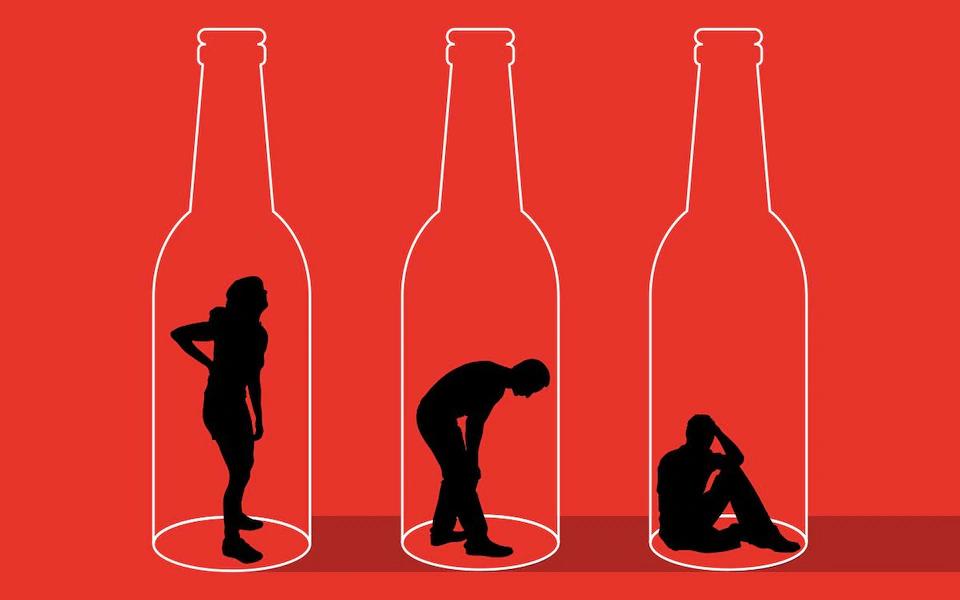
“What Happens to Your Body When You Drink Alcohol? What Happens When You Quit?”


Moderate drinking may help your health, but heavy boozing only hurts it. 

Here's how alcohol affects your body and your health. Alcohol is one of the few socially acceptable drugs that people consume regularly. When it comes to the effects of alcohol on the body, it's not all bad, but it's also not all good. Read on for the nutrition of alcohol and what alcohol does to your body, in moderation and in excess.

ALCOHOL NUTRITION: The calories in alcoholic beverages can vary based on their percentage of alcohol (and added ingredients). Higher-alcohol drinks generally have smaller serving sizes. Here are the usual calories in several common alcoholic beverages:

·                     Sparkling Wine (Champagne, prosecco): 5 oz., 125 calories

·                     White Wine: 5 oz., 125 calories

·                     Red Wine: 5 oz., 130 calories

·                     Light Beers (pilsner, helles, lager): 12 oz., 100 calories

·                     Medium Beers (IPA, APA): 12 oz., 190 calories

·                     Heavy Beers (IIPA, stout): 12 oz., 220 calories

·                     Malt Liquor: 12 oz., 210 calories

·                     Liqueurs: 1.5 oz. (1 shot), 170 calories (can vary with additional ingredients like sugar and cream)

·                     Distilled Liquors (rum, vodka, gin, whiskey): 1.5 oz. (1 shot), 100 calories


DEHYDRATION: Dehydration is more than just a parched feeling—it can contribute to neurological, urological, circulatory and gastrointestinal disorders over time. When you drink alcohol, it suppresses the hormone in your body that helps your body stay hydrated, called the antidiuretic hormone. Alcohol itself is also a diuretic, which means it draws water out of your body. When you get dehydrated from alcohol consumption, it can also lead to electrolyte imbalances. The seriousness of electrolyte imbalances depends on the severity of your dehydration. For example, sometimes rehydrating with a drink with electrolytes, like coconut water or a sports drink, can do the trick. Other times, these imbalances can be serious and require medical treatment. One way to limit the dehydrating effects of alcohol is to alternate a glass of water between alcoholic drinks. A study published in the Journal of the International Society of Sports Nutrition found that those who drank beer and water after exercising were just as hydrated as those who drank only water.


BREAST CANCER: As little as one alcoholic drink per day can raise your risk of breast cancer. Drinking alcohol can raise estrogen levels. Increased estrogen in the body is a known risk factor for breast cancer and can even result from low levels of alcohol consumption. When your body breaks down alcohol, it creates byproducts which may be carcinogenic. The more you drink, the harder it becomes for your body to clear them out. Women are particularly vulnerable to carcinogens from puberty through their first pregnancy, so the timing of alcohol consumption plays a role as well. On the bright side, eating a balanced, nutritious diet can be protective against these alcohol byproducts. For example, women who did not consume the recommended daily amount of folate (400 mcg) regularly were at a heightened risk compared to those who did.

GUT HEALTH: Drinking alcohol can influence the composition and metabolic function of your GI tract. Alcohol causes our stomach cells to produce excess amounts of gastric acid. This can cause stomach irritability and nausea. Ongoing overconsumption of alcohol has been shown to cause oxidative stress that promotes the development of alcoholic liver disease, along with other conditions. Probiotics have been shown to help repair the GI damage, once drinking stops.

PANCREATIC HEALTH: Alcohol is the second most common cause of acute pancreatitis, with risk increasing substantially when someone has more than five drinks a day. Luckily, there has been no association found between moderate wine or beer consumption (one to two drinks daily) and pancreatitis. There are a few reasons why too much alcohol doesn't agree with your pancreas. Ethanol from alcohol promotes the initial pancreatic injury by inflaming and plugging the cells around the pancreas. Continuing to consume excessive amounts of alcohol inhibits the body's ability to repair the damaged cells. Diets high in nutrients such as thiamine, folate, fiber and vitamin D have been shown to be protective against pancreatic damage.


LIVER HEALTH: The liver is the first organ many people think of when talking about alcohol. It is well-established that excessive drinking can lead to fat accumulation in your liver and, ultimately, cirrhosis. Fortunately, early stages of liver disease are reversible, but cirrhosis is not. Body fat is highly influenced by alcohol and can have a profound impact on your liver health as well. In a healthy body, fat tissue is necessary and important for longevity. However, over time, excessive alcohol consumption breaks down fat cells and sends them to the liver, where they can accumulate and lead to chronic liver disease. Obesity has been found to exacerbate this effect. Regular exercise has been found to reduce fat accumulation in the liver, and it improves body composition in general, which provides additional protection from liver disease.


BRAIN HEALTH: A 2018 study in the BMJ found that, after 23 years of follow-up, the lowest incidence of dementia was found in adults who drank between one and fourteen drinks each week (two or fewer drinks per day). Surprisingly, they found that abstainers had the highest rates of dementia; and, unsurprisingly, heavy consumption greatly increased the risk. Moderate alcohol consumption prevents gaps from forming when brain cells naturally die; however, science is still unsure of the mechanisms for this. Additionally, a study in Molecular Psychiatry found that heavy drinkers, specifically men, had significantly more behavioral and social problems than moderate drinkers or abstainers. One nightly glass of wine or beer may be the sweet spot for staying mentally sharp.


HEART HEALTH: Moderate alcohol consumption boosts the good HDL cholesterol in our blood, which promotes clean arteries while also reducing inflammation (moderate is defined as one drink per day for women, and two for men). Better yet, low amounts of alcohol can also improve blood flow and blood pressure. This reduces your risk of heart attacks, strokes, heart failure and artery disease. On the other hand, heavy drinking (five or more drinks daily) sabotages these benefits and actually increases blood pressure, which can be an additional risk for heart disease.


BONE HEALTH: Booze may boost your bone health as well, when consumed in moderation. The same increases in sex hormones (estrogen and testosterone) that can be a risk factor for reproductive cancers can increase bone density. Wine and beer may be more beneficial than spirits due to their antioxidant content. However, chronically consuming high levels of alcohol can damage your bones and deplete your body of minerals essential for bone health. In studies with rats, vitamin E has been found to improve the negative bone health outcomes associated with alcohol; however, more research is needed to form a conclusion.

BOTTOM LINE: Alcohol is widely available and consumed, someway or somehow, in many cultures. The research is promising about the health benefits of consuming moderate amounts of alcohol. However, that is not to say you should pick up the habit if you don't already drink. What is well-established is that abuse of alcohol is incredibly damaging to numerous organs in your body. Alcohol can have a place in a healthy diet when consumed responsibly and in moderation. Cheers to that!


Jessica Ball, M.S., R.D., Eating Well, Updated December 11, 2019

“What Happens to Your Body When You Quit Drinking?”

The scoop on why you'll lose weight, get better sleep and feel better overall.

Whatever your alcohol intake-whether you only indulge in a single celebratory Friday-night drink or pour yourself an Olivia Pope-size glass of wine every single night-there are a bevy of benefits to going booze-free. You already know many of them: weight loss, better sleep and a happier, healthier mood. But what, exactly, happens inside your body that makes not drinking so great?

"Alcohol is a toxin," Sal Raichbach, Psy.D., LCSW, chief of clinical compliance at Ambrosia Treatment Center points out. "As it enters the bloodstream, it impacts every organ system and takes a toll on the normal processes of the human body. So, if you stop drinking, then your body doesn't have to go through that recovery process the next day." Here's what happens to your body when you stop drinking—on the outside and inside.

YOU'LL LOSE WEIGHT: If you've ever gone even a week without your favorite cocktail, you've likely noticed your clothing fits a little more loosely. (Hello, skinny jeans!) That's because when you cut out alcohol's empty calories, your body can focus on burning the other calories you consume. "Alcohol contains empty calories, which don't offer nutrients," Raichbach explains. Those empty calories aren't as satisfying as energy from whole foods with nutrients like protein and fiber and fat, so you're likely adding alcohol's calories on top of your nutritional needs. If you eat an adequate amount to maintain your weight, any excess calories will be stored as fat. It's true that most drinks only pack 100 to 200 calories per serving, but that adds up, says David Greuner, M.D., surgical director at NYC Surgical Associates. "Though no longer considered an exact measure, 3,500 calories translates to approximately one pound of weight," he says. So: "By simply eliminating nightly cocktails or weekend binges, you can potentially shed a couple of pounds by month's end."

YOU'LL SLEEP BETTER: Even drinking once or twice a week can wreak havoc on your sleep schedule, Raichbach says. "People who quit drinking often notice that their weekends are more productive and restful because their sleep is restorative," he describes. That may seem counterintuitive-especially for people who struggle to fall asleep at night. "Even though alcohol makes you sleepy, it's not a useful sleep aid," Raichbach explains. "Moderate alcohol consumption diminishes your quality of sleep by reducing the production of melatonin, a hormone that tells our bodies when to sleep and when to wake up. It also increases another chemical that affects sleep regulation, adenosine." What's more, Greuner adds, consuming alcohol forces your brain to work in alpha waves, which is a meditative or resting wave state we typically experience when we're awake. With these hormones, chemicals and brain waves out of whack, you'll find yourself waking up in the middle of the night-or needing to nap at work. And restorative REM sleep can be elusive. Cutting out alcohol can help you sleep soundly through the night.


YOU'LL GET SICK LESS: Prone to head colds? Your nightly glass-or three-of wine could be to blame, says Greuner. While light to moderate drinking shouldn't increase your susceptibility, "even a single episode of binge drinking can lead to exertion on the immune system and cause inflammation-a common cause of many ailments." When you refrain from drinking to excess, you'll reduce and reverse inflammation. And because of that "over time, your immune system will be strengthened," Greuner explains.


YOU'LL IMPROVE YOUR DIGESTION: The liver is responsible for cleansing the body of toxins-including alcohol. When you take alcohol out of the equation, "the liver doesn't have to deal with metabolizing ethanol and can focus on being the body's filter for other toxins that we naturally encounter," Raichbach says. Drinking too much can also cause fatty liver disease, inflammation of the liver and, over time, cirrhosis and liver failure. Be sure to talk to your doctor if you're taking any medications. Some medicines interact with alcohol and can increase the risk of liver damage from drinking. Plus, our digestive system deals with alcohol differently than other toxins. Alcohol, particularly fermented beverages like beer and wine, can cause stomach cells to overproduce gastric acid, which can irritate the stomach. Excessive alcohol intake can damage the lining of the GI tract as well. "As soon as alcohol enters the body and travels into the esophagus," says Raichbach, "it's already doing damage to cells that digest our food. Studies show that it continues to affect the digestive system as it enters the stomach, where it can negatively affect the lining of the stomach and cause ulcers in the gastrointestinal tract." While you likely wouldn't see these effects with moderate alcohol consumption, stopping drinking eliminates this risk entirely.


YOU'LL STAY MORE HYDRATED: "Alcohol is a diuretic, meaning that it increases the rate at which you expel water from your body as urine," explains Raichbach. The need to go or not go to the bathroom begins in your brain, as your pituitary gland releases antidiuretic hormone (ADH) that tells your kidneys it's time to retain water. Drinking even small amounts of alcohol can have a temporary diuretic effect. "Alcohol causes ADH levels to drop, and as a result, the kidneys produce more urine and retain less water," Raichbach says. "When you stop drinking alcohol, you restore ADH levels to their natural state, and your kidneys expel the appropriate amount of water." By retaining water and staying hydrated, your whole body will feel better. “Our bodies are entirely dependent on water," he says. "Every cell in our body uses water in one way or another. It's essential for circulation, maintaining body temperature, and helps to get rid of waste. Without proper hydration, the heart must work harder to pump the same amount of blood, and your kidneys will eventually start to fail."

YOUR SKIN WILL LOOK BETTER: Another plus to rehydrating your body is that your appearance may improve. "Though moderate drinking may not present a large number of immediate life-threatening concerns, it can quickly take a noticeable toll on your appearance-even after one night of overindulging," warns Greuner. "Less water in the body leads to some immediate and visible effects, including dry and more wrinkled skin, red cheeks, eczema and blood-shot eyes." But take a night-or a month-off from drinking, and you'll likely be happier with what you see in the mirror. "With the avoidance of alcohol and proper hydration, your skin should soon return to its normal healthy state," he says.


YOU'LL FEEL LESS ANXIOUS: You likely already know that alcohol is a depressant. As such, alcohol "directly affects the brain and neural networks, impacting almost every one of the brain's processes," Raichbach says. "A healthy brain that isn't impaired by alcohol maintains a balance of neurotransmitters like GABA and dopamine." On the other hand, he says, "Alcohol throws off the levels of neurotransmitters that regulate emotions and behavior, and control cognitive abilities." When you drink, your GABA and dopamine levels deplete, and you may feel tired, anxious and depressed when the intoxicating effects of alcohol wear off, Raichbach says. But taking a break from alcohol allows your brain to restore the balance of feel-good hormones.


BOTTOM LINE: The recommendations around drinking caution not to start if you don't already drink, but say that in moderation—one glass per day for women and two for men—alcohol can be part of a healthy diet and lifestyle. Besides the above-mentioned benefits of going sober, as little as one drink a day has been linked with an increased risk of breast cancer. Plus, certain populations—including pregnant women, people under 21 and people with certain medical conditions—shouldn’t drink at all. Whether you're considering cutting back, doing a 30-day dry month or giving up alcohol entirely, you'll likely reap some benefits—but drinking in moderation can be OK too.

Jillian Kramer, Eating Well, Updated November 25, 2020

Much Love, Dr.Shermaine, #InformativeRead #PleaseShare #HealthyBodySoulAndSpirit #IWantYou2LiveWell #FeelFree2SignUpAndFollow

The Goal is to Always Make You Aware of What Concerns Your Body, Soul and Spirit, So You Can Have Open, Honest and Frequent Discussions With Your Physicians and Counselors. You Can’t Treat or Cure What You Don’t Know is Sick.
 
"It's Not Selfish to Love Yourself, Take Care of Yourself and to Make Your Happiness a Priority. It's a Necessity." (Mandy Hale)

"Self-Care is Not Selfish. You Cannot Serve From an Empty Vessel." (Eleanor Brown)

The contents of the Eating Well and Self-Care With Dr. Shermaine Sites, such as text, graphics, images, and other material contained on the Eating Well and Self-Care With Dr. Shermaine Sites ("Content") are for informational purposes only. The Content is not intended to be a substitute for professional medical advice, diagnosis, or treatment. Always seek the advice of your physician or other qualified health provider with any questions you may have regarding a medical condition. Never disregard professional medical advice or delay in seeking it because of something you have read on the Eating Well and Self-Care With Dr. Shermaine Sites!

If you think you may have a medical emergency, call your doctor or 911 immediately. Eating Well and Self-Care With Dr. Shermaine does not recommend or endorse any specific tests, physicians, products, procedures, opinions, or other information that may be mentioned on the Sites. Reliance on any information provided by Eating Well, Eating Well employees, others appearing on the Site at the invitation of Eating Well, and Self-Care With Dr. Shermaine or other visitors to the Sites is solely at your own risk.  

Tuesday, November 30, 2021

“Best/Worst Workouts, According to Science”

GO FOR IT: PILATES - It's a low-impact workout that focuses on your core -- your hips, back, and abs. It uses your own body as resistance and taps into the mind-body connection. Pilates builds strength, makes you more flexible, and helps your joints move the way they should. 

USE CAUTION: CROSSFIT - This exercise program can be an effective calorie burner -- when done right. But take on this intense workout with care, or you could get injured. Moves are meant to push you out of your comfort zone to your limit. It can be great for some, but CrossFit definitely isn’t for everyone.

GO FOR IT: TAI CHI - Studies have shown meditation is a big booster of mood and health. Tai chi takes meditation to the next level by putting it into motion. Its series of slow movements helps with balance and stress relief. It's good for all ages, too.

USE CAUTION: CRUNCHES - They aren’t all bad, but crunches aren't great if you’ve got a bad back. They put pressure on your lower spine. They can tighten the muscles you use to sit, too. That can pull at your spine even further. If it’s a six-pack you're after, ask a fitness expert for other moves you can use that won’t wreck your back.

GO FOR IT: WALKING - This oldie but goodie is top-notch for both your body and your brain. You can do it just about anywhere. It’s easy on your joints, boosts your mood, and helps you stay heart healthy.

USE CAUTION: SPOT REDUCTION - If you want to target tummy fat, you should hit the mat for some sit-ups, right? Wrong. You can’t zero in on any one area of fat when you work out. That’s a myth. A better approach, experts say, is training your whole body. It’s overall fitness, not focusing on specific areas, that burns fat best.

GO FOR IT: YOGA - When it comes to your muscles, if you don’t use them, you lose them. Yoga’s gentle stretches keep you limber so you can enjoy an active life. It can also relieve stress, improve your breathing, tone your muscles, and give you more energy.

GO FOR IT: SWIMMING - When it comes to workouts, swimming checks all the boxes: It’s kind to your joints, boosts heart health, improves your mood, and burns calories. It’s especially good if you’re dealing with an injury. The water takes the weight off your frame so you can get your heart pumping without pain.

GO FOR IT: RUNNING - If it’s calories you’re looking to burn, running will give you the most bang for your buck. An hour of it burns twice as many calories as biking or walking for the same amount of time.

GO FOR IT: WEIGHT TRAINING - Also called strength training or resistance training, exercises with weights build your muscles, burn calories, and strengthen your bones. Weight training can also help your brain as you age.

USE CAUTION: WEIGHT TRAINING - However, good technique is crucial when you pump iron. Bad form can hurt you in a hurry. Especially risky moves include:

  • Loading up with weights that are too heavy
  • Bad posture
  • Skipping a warmup
  • Lifting without a spotter

GO FOR IT: ELLIPTICAL - Not only can you get all the great benefits of walking with an elliptical machine, you can do it with less joint jarring. The moving handles it has add in arm exercises, too. You can also use it in reverse. That helps strengthen leg muscles beyond what a forward workout can do.

GO FOR IT: JUMPING ROPE - It’s not just for playgrounds. It's a powerhouse workout you can do almost anywhere, and you only need a rope to do it. It can build lower leg muscles, improve your coordination, and create more pathways in your brain. That helps you stay sharp as you get older.

USE CAUTION: PLYOMETRICS - Speaking of jumping, plyometrics is a form of exercise (also called jump training), that works on your muscle power and explosiveness with a series of jumps. When done right, it makes for strong leg muscles. But it’s easy to do it wrong, especially if you’re going it alone. Landing badly can cause injuries, including problems in your joints. Before you start, talk to a trainer to see if it’s the right choice for you.

GO FOR IT: DANCING - Your heart is happiest when it gets exercise that moves both your legs and your arms. The rhythm and constant movement of dance can do that. And it’s fun, which will have you coming back for more.

REVIEWED BY: Tyler Wheeler, MD, WebMD on February 01, 2020

SOURCES:

American Council on Exercise: “Pilates Primer,” “CrossFit -- Is the Gain Worth the Pain? ACE Experts Weigh In,” “CrossFit -- New Research Puts Popular Workout to the Test,” “Do We Really Need to Crunch? 5 Core Exercises That Don’t Require Crunching,” “Exercise Myths vs. Realities,” “Myths and Misconceptions: Spot Reduction and Feeling the Burn,” “7 Benefits of Jumping Rope,” “Plyometrics: Controlled Impact/Maximum Power

Harvard Health: “5 of the best exercises you can ever do.”

National Institute on Aging: “4 Types of Exercise.”

American Osteopathic Association: “The Benefits of Yoga.”

Mayo Clinic: “How Much Am I Burning?” “Are elliptical machines better than treadmills for basic aerobic workouts?”

American College of Sports Medicine: “Resistance Training for Health and Fitness,” “Selecting and Effectively Using Free Weights,” “The Basics of Starting and Progressing a Strength-Training Program.”

American Heart Association: “What Type of Physical Activity Is Best?”

Much Love, Dr.Shermaine, #InformativeRead #PleaseShare #HealthyBodySoulAndSpirit #IWantYou2LiveWell #FeelFree2SignUpAndFollow

The Goal is to Always Make You Aware of What Concerns Your Body, Soul and Spirit, So You Can Have Open, Honest and Frequent Discussions With Your Physicians and Counselors. You Can’t Treat or Cure What You Don’t Know is Sick.
 
"It's Not Selfish to Love Yourself, Take Care of Yourself and to Make Your Happiness a Priority. It's a Necessity." (Mandy Hale)

"Self-Care is Not Selfish. You Cannot Serve From an Empty Vessel." (Eleanor Brown)

The contents of the WebMD and Self-Care With Dr. Shermaine Sites, such as text, graphics, images, and other material contained on the WebMD and Self-Care With Dr. Shermaine Sites ("Content") are for informational purposes only. The Content is not intended to be a substitute for professional medical advice, diagnosis, or treatment. Always seek the advice of your physician or other qualified health provider with any questions you may have regarding a medical condition. Never disregard professional medical advice or delay in seeking it because of something you have read on the WebMD and Self-Care With Dr. Shermaine Sites!

If you think you may have a medical emergency, call your doctor or 911 immediately. WebMD and Self-Care With Dr. Shermaine does not recommend or endorse any specific tests, physicians, products, procedures, opinions, or other information that may be mentioned on the Sites. Reliance on any information provided by WebMD, WebMD employees, others appearing on the Site at the invitation of WebMD, and Self-Care With Dr. Shermaine or other visitors to the Sites i

Wednesday, September 8, 2021

“13 Dehydration Symptoms Everyone Should Know, According to Experts”


Dehydration does more than just make you thirsty—it can actually be quite dangerous to your health. Here's how to know when your body is telling you to drink more water, so that you don't let it get to the later stages of dehydration.


WHAT DOES IT MEAN TO BE DEHYDRATED? In general, dehydration occurs when your body loses too much fluid, or more fluid than it's taking in, according to the US National Library of Medicine's resource Medline Plus. You can become dehydrated for a number of reasons, but the main culprits include diarrhea, vomiting, sweating too much, urinating too much, having a fever, or (simply) not drinking enough. And it doesn't take much to become dehydrated: if you lose just 1.5% of the water in your body, you've reached the tipping point of dehydration. While dehydration often shows up as the standard thirsty feeling, the later stages of the condition can actually lead to a loss of consciousness, Jazmine Sutton-Oliver, MD, who works in hospital medicine at the Cleveland Clinic, tells Health. Here's what to know about common dehydration symptoms, including feeling thirsty and passing out—and all the signs in between.


BAD BREATH: Notice your breath smelling the opposite of minty fresh? It could be because you haven't been drinking enough water lately, Marshall Young, DDS, a dentist in Newport Beach, California, tells Health. "Saliva has important antibacterial properties," he says. "When dehydrated, the decreased saliva in the mouth allows bacteria to thrive, resulting in bad breath." Also, while we're talking about your mouth, dehydration can cause it to feel dry, for obvious reasons. So, drink up for your own sake—and for the people around you, too.

SUGAR CRAVINGS: Dehydration can mask itself as hunger, or more specifically as sugar cravings. This is more likely to happen if you’ve been exercising, Amy Goodson, RD, a sports dietitian, tells Health. “When you exercise in a dehydrated state, you use glycogen, or stored carbohydrates, at a faster rate, thus diminishing your stores more quickly.” So, once you finish exercising, you will likely crave carbs (aka sugar) to help you replenish those glycogen levels. Pro tip: Before reaching for a chocolate bar, drink a tall glass of water and wait five minutes. You might not be as hungry as you think. (After that, if you’re still craving something sweet, go ahead and have it.)

DRY SKIN: Your skin will let you know if you haven’t been drinking enough water, Anne Marie Tremaine, MD, a dermatologist at Skin Wellness Physicians in Naples and Marco Island, Florida, tells Health. Dehydrated skin will feel tight and appear dull when you look in the mirror. You may even notice more exaggerated wrinkles or darker-than-usual under eye circles. A quick test if you’re feeling less than hydrated: Pinch your cheek; if it wrinkles with gentle pressure instead of holding its shape, it’s begging you for water. For smooth, moisture-rich skin, Dr. Tremaine also suggests keeping showers short (less than five minutes) and using only lukewarm water, as hot water can dry your skin out even more.

TIREDNESS: That mid-afternoon slump may have more to do with dehydration than you think. A number of the symptoms of dehydration can make you feel sleepy, Luga Podesta, MD, a sports medicine specialist at Bluetail Medical Group in Naples, Florida, tells Health. Physical tasks may also feel more difficult and tiring because your muscles are lacking H2O, which is necessary for them to function properly.

IRRITABILITY: If you're feeling cranky, drink a glass of water and your mood may change. "Neurological effects of dehydration can cause irritability," Dr. Podesta says. A small 2011 study published in the Journal of Nutrition tested mood and concentration in 25 young women who were either given enough fluids to remain properly hydrated, or who became mildly dehydrated by taking diuretics and exercising. The dehydrated women—who were at a hydration level that was just 1% lower than optimal—reported headaches, loss of focus, and irritability.

CHILLS: It may seem counterintuitive, but dehydration can bring on chills. "This occurs because your body starts to limit blood flow to the skin," Dr. Podesta says. In addition, water holds heat, so if you become hydrated it can be more difficult to regulate your body temperature, which can make you get chilly faster, even when you're not in a cold environment.

MUSCLE CRAMPS: When your body isn't getting enough water, it slows down blood circulation, which can make your muscles cramp up, Ray Casciari, MD, a pulmonologist in Orange, California, tells Health. "The body will protect its vital organs, so it shifts fluid away from muscles and anything that's not vital," he says. Changes in sodium and potassium through sweat loss can also contribute to cramping. Cramps can be extremely painful and make muscles feel harder to the touch.

LIGHTHEADEDNESS AND CONFUSION: Along with your muscles, your brain also gets less blood circulation when you're low on water, which can make you dizzy, Dr. Casciari says—and this can constitute a situation when dehydration can warrant medical attention. When a person becomes so dehydrated that they're taken to the emergency room, doctors usually try to get water back into their body very quickly, Dr. Sutton-Oliver explains. "We would give them a liter over an hour" via an IV, she says.


HEADACHE: Dehydration can cause headaches in a couple of different ways. "Lack of water affects your body's serotonin levels, which can give you headaches," Dr. Casciari says. In addition, small blood vessels in the brain respond quickly to hydration levels (which is also the culprit behind those nasty hangover headaches), leading to dull aches and even full-blown migraines. Try downing a glass or two of water the next time you have a headache, and you may find it disappears. You could also eat fruit, which contains a lot of water, Dr. Casciari suggests.

CONSTIPATION: Your body needs water to keep things moving through your colon. When you're not getting enough H2O, your body compensates by withdrawing more fluid from stool, making it harder and more difficult to pass. That said, it's worth noting that drinking more water when you're already properly hydrated won't necessarily relieve constipation caused by other factors, like the medications you're taking, medical conditions, or a lack of fiber in your diet.

DARK-COLORED URINE: One telltale sign of dehydration is dark yellow urine. "A lot of people will notice their urine starts to get concentrated or dark in color," Dr. Sutton-Oliver says. When you're dehydrated, your kidneys, which filter waste, tell your body to retain water. That means you'll have less water in your urine, causing it to become more concentrated with waste products and, therefore, darker. If you notice your urine is darker than usual, reach for your water bottle.

EXCESSIVE THIRST: It might seem obvious but being thirsty is a big hint that you're not as hydrated as you should be, Dr. Sutton-Oliver says. When you get dehydrated, you'll naturally be thirsty, so listen to your body's signals and rehydrate until you've quenched your thirst.


LOW BLOOD PRESSURE: While not drinking enough water can cause a plethora of symptoms, one in particular, low blood pressure, can be especially dangerous, Eric Goldberg, MD, an internal medicine physician at NYU Langone tells Health. But low blood pressure can manifest in a few different ways, including nausea, dizziness, and blurred vision, so it's important to be aware of those, as many of us don't have blood pressure cuffs at home. Low blood pressure can be especially dangerous, as it means your blood isn't getting properly sent to critical organs, including your brain, Dr. Goldberg adds. Certain blood pressure medications act as diuretics, which make the body urinate fluid out of it much faster. People who take these medications are more susceptible to becoming dehydrated, per Dr. Goldberg. The good news? "Most people can fix that simply by drinking water," he explains.


BY: Linda Melone and Maggie O’Neill, Health Magazine, Updated June 17, 2020

Much Love, Dr.Shermaine, #InformativeRead #PleaseShare #HealthyBodySoulAndSpirit #IWantYou2LiveWell #FeelFree2SignUpAndFollow

The Goal is to Always Make You Aware of What Concerns Your Body, Soul and Spirit, So You Can Have Open, Honest and Frequent Discussions With Your Physicians and Counselors. You Can’t Treat or Cure What You Don’t Know is Sick.
 
"It's Not Selfish to Love Yourself, Take Care of Yourself and to Make Your Happiness a Priority. It's a Necessity." (Mandy Hale)

"Self-Care is Not Selfish. You Cannot Serve From an Empty Vessel." (Eleanor Brown)

The contents of the WebMD and Self-Care With Dr. Shermaine Sites, such as text, graphics, images, and other material contained on the WebMD and Self-Care With Dr. Shermaine Sites ("Content") are for informational purposes only. The Content is not intended to be a substitute for professional medical advice, diagnosis, or treatment. Always seek the advice of your physician or other qualified health provider with any questions you may have regarding a medical condition. Never disregard professional medical advice or delay in seeking it because of something you have read on the WebMD and Self-Care With Dr. Shermaine Sites!

If you think you may have a medical emergency, call your doctor or 911 immediately. WebMD and Self-Care With Dr. Shermaine does not recommend or endorse any specific tests, physicians, products, procedures, opinions, or other information that may be mentioned on the Sites. Reliance on any information provided by WebMD, WebMD employees, others appearing on the Site at the invitation of WebMD, and Self-Care With Dr. Shermaine or other visitors to the Sites is solely at your own risk. 
 

"13 Ways to Use Apple Cider Vinegar That Will Change Your Life!"

    Of all the well-touted natural health remedies that exist today, very few are followed quite as religiously as taking a tablespoon or tw...