Search This Blog

Showing posts with label Eczema. Show all posts

Wednesday, January 2, 2019

“Winter Skin Hazards and Help”


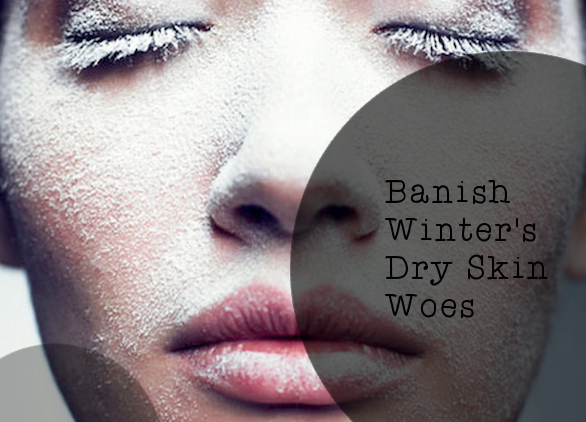
Dry Skin Woes: Is your skin feeling dry and tight -- even itchy or flaky? Any number of things can strip your skin of its protective oils. The result: Everything from chapped lips and itchy skin to cracked heels. Relief is in your grasp. Use this guide to see top cold-weather threats to your skin and what you can do about them.

SOS for Chapped Lips: No one is immune from dry lips in winter! Here’s how to cope: Drink plenty of water to stay hydrated and use a humidifier at home. Liberally apply beeswax or petroleum jelly to your lips. Put on lip balm or lipstick with sunscreen every time you go outside. Avoid being in the sun and wind too much. Don't lick your lips -- it may feel better briefly, but it only makes chapped lips worse.

Heal Cracked Heels: Painful, cracked heels are a common skin condition, especially in winter. They are often caused by dry skin. Having calluses around the rim of the heel can complicate the problem. In some cases, dry cracked feet can lead to infection or make walking painful. Keep feet healthy by marinating cracked heels in petroleum jelly, covering them with plastic wrap, and putting on a pair of socks overnight. You should see improvement in a few days.

Give Dry Hands Extra Care: Your hands may be hard hit by the cold winter air. Washing your hands frequently helps eliminate cold and flu germs, but it also increases dryness. And unless you wear gloves every time you go out, hands may be more exposed to cold than other parts of your body. Give dry hands some extra TLC by using a glycerin-based moisturizer when you wake up, before you go to bed, and any time your hands feel dry throughout the day.

Use Super-Fatted Soap: The same products that keep your face looking fresh in the spring and summer may cause skin problems during winter. Choose a gentle, super-fatted, fragrance-free soap -- bar or liquid -- for cleansing. Super-fatted means the soap is loaded with oils. Use a non-astringent toner, or just skip it altogether. If skin is dry, moisturizers that contain urea, dimethicone, glycerin, lanolin, or mineral oil can be good bets.

Choose a Winter Moisturizer: Should you change your moisturizer? Maybe. If you usually use a light lotion, try a heavier cream, at least on dry skin patches. Ointments -- like petroleum jelly -- have more oil than creams or lotions. That makes them more greasy, too, so they may be best for feet and body. Minimize the greasy feeling by using a very small amount and gently but thoroughly rubbing it into skin. Apply after a warm shower (more on that later). 

Decode Moisturizer Choices: Humectants -- like urea, glycerin, hyaluronic acid, propylene glycol -- absorb water from the air. They are oil-free. Emollients -- like baby or mineral oil, plant oils (like jojoba oil), petroleum jelly, lanolin, stearic acid – help replace oils in the skin. Many moisturizers contain a combination. You may want to skip some anti-aging moisturizers in winter. Those that contain retinoids can further irritate already dry, sensitive skin.

Clear Away Dead Skin First: To get the most out of your moisturizer, exfoliate. Clearing away dead skin cells lets a moisturizer better penetrate dry skin. Exfoliate gently with a moisturizer that contains lactic acid or salicylic acid. Some exfoliants can be irritating -- especially in winter -- so try them on a small patch of skin first. If your skin is really dry or irritated, ask your doctor before starting a new skin care product or regimen.

Winter Showers: A shower can add water to your skin -- as long as you keep it short and sweet. Long, hot showers can actually draw moisture from your skin. Appealing as a hot shower on a cold morning may be, lukewarm water is a better choice. It won't strip away skin's natural oils.

Lock in Moisture After Your Bath: Right after you step out of the tub, pat skin dry and apply moisturizer to retain the water your skin just absorbed. A glycerin- or hyaluronic acid-based moisturizer can increase the amount of water that’s drawn into your skin. Baby oil (mineral oil) is also a good choice, because it prevents water from evaporating from your skin. Don't stop there: Liberally re-apply moisturizer throughout the day, especially to troublesome dry skin patches.

Plug in a Humidifier: It's cold outside! So you're staying inside, with the heat on. That warm, dry air can mean parched, dry skin. Use a humidifier to restore moisture to the air. You can find inexpensive models at most drug stores. Put one in your bedroom; better yet, invest in two or three and place them strategically around your home to stave off irritated, itchy skin this winter.

Lube Your Locks: Protect your hair this winter by shampooing every other day instead of daily. Shampoos and excess shampooing can strip hair of moisture. Use warm water and a mild shampoo with sunscreen. Apply extra conditioner to keep your hair hydrated, shiny, and soft. Don't over-style with the blow dryer or flat iron. And protect your hair from the elements by wearing a hat.

Winter Sunscreen Required: Think you can't get a sunburn in winter? Wrong. Skiers and other winter athletes are at special risk of sunburn because snow reflects sunlight. In fact, it bounces 80% of the sun's rays back to us, compared to less than 20% for sand and surf. Even if you're not hitting the slopes, you still need the protection of a sunscreen with an SPF of 30 or more. Apply daily, and reapply at least every two hours if you're outside.

Bundle Up Against Frostnip: Frostnip -- a mild form of frostbite -- tends to affect the earlobes, cheeks, nose, fingers, and toes. Signs of frostnip include pale skin, numbness, or tingling in the affected area. Avoid frostnip by dressing warmly -- including a hat, earmuffs, and gloves. The best treatment is to re-warm the affected areas. Although frostnip is uncomfortable, it doesn't cause any damage to skin.

Be Alert for Frostbite: Frostbite is more serious and can cause lasting damage. Deeper tissues freeze, causing skin to become hard, pale, and cold. It may ache but lack sensitivity to touch. As the area thaws, it becomes red and painful. Hands, feet, nose and ears are most vulnerable, but any body part can be affected. Treat frostbite by getting to a warm place, wrapping affected areas in sterile dressings (separate fingers and toes) and going to an emergency department immediately. Don't rewarm affected areas if there's a chance they could freeze again.

Beat the Itch of Winter Skin: Dry winter skin can be incredibly itchy. Beat itchy skin by taking a lukewarm bath with oatmeal or baking soda, reapplying your moisturizer frequently, and steering clear of wool and other rough fabrics. If these techniques don't make a difference, see a dermatologist. You may have an underlying condition such as eczema or psoriasis that requires different treatment.

Show Eczema the Exit: Eczema is an umbrella term for different kinds of skin inflammation. It is marked by dry, reddened skin that itches or burns. When skin becomes dry and irritated in winter, eczema can flare.  Stay one step ahead by moisturizing frequently with an oil-based ointment that contains sunscreen. Sweating and overheating can also trigger the itch/scratch cycle, so dress in easy-to-peel-off layers. Ask your dermatologist about prescription treatments.

Put Psoriasis in its Place: Psoriasis is more than dry skin. It's caused when the immune system misfires and speeds up the growth cycle of skin cells. Dry air, lack of sunlight, and colder temperatures can make psoriasis worse. Follow tips for dry skin: short, lukewarm showers, lots of moisturizer, and humidifiers throughout the house. Ask your dermatologist about phototherapy, which uses ultraviolet light B (UVB) rays to slow the growth of skin cells, and about the best treatments for you.

Reviewed by: Neha Pathak, MD on December 10, 2018

REFERENCES:
American Academy of Dermatology.
American Melanoma Foundation.
British Columbia Health Guide.
Cary M. Golub, DPM, podiatrist, Long Beach, NY.
Duke University.
Environmental Protection Agency.
Harvard Health Report.
Merck Manual.
Mitchell Goldman, MD, medical director, La Jolla Spa MD, La Jolla, CA.
National Psoriasis Foundation.
University of Iowa Hospitals & Clinics.

Much Love, Dr.Shermaine #InformativeRead #PleaseShare #HealthyBodySoulAndSpirit #IWantYou2Live

The Goal is to Always Make You Aware of What Concerns Your Body, Soul and Spirit, So You Can Have Open, Honest and Frequent Discussions With Your Physicians and Counselors. You Can’t Treat or Cure What You Don’t Know is Sick.

"It's Not Selfish to Love Yourself, Take Care of Yourself and to Make Your Happiness a Priority. It's a Necessity." (Mandy Hale)

"Self-Care is Not Selfish. You Cannot Serve From an Empty Vessel." (Eleanor Brown)

The contents of the WebMD and Self-Care With Dr. Shermaine Sites, such as text, graphics, images, and other material contained on the WebMD and Self-Care With Dr. Shermaine Sites ("Content") are for informational purposes only. The Content is not intended to be a substitute for professional medical advice, diagnosis, or treatment. Always seek the advice of your physician or other qualified health provider with any questions you may have regarding a medical condition. Never disregard professional medical advice or delay in seeking it because of something you have read on the WebMD and Self-Care With Dr. Shermaine Sites!

If you think you may have a medical emergency, call your doctor or 911 immediately. WebMD and Self-Care With Dr. Shermaine does not recommend or endorse any specific tests, physicians, products, procedures, opinions, or other information that may be mentioned on the Sites. Reliance on any information provided by WebMD, WebMD employees, others appearing on the Site at the invitation of WebMD, and Self-Care With Dr. Shermaine or other visitors to the Sites is solely at your own risk. 

Wednesday, May 30, 2018

“22 Strange Ways the Sun May Affect Your Body”


Skin cancer isn't the only health consequence of sun exposure—and in fact, in some ways, soaking up some rays may actually improve your wellbeing.

THE GOOD, THE BAD, AND THE SUNNY: You know that the sun's ultraviolet (UV) rays can cause skin cancer and premature aging, and that wearing sunscreen (year-round!) is an important way to protect yourself. But research has shown that sunlight also seems to affect health in a lot of other ways, both positively and negatively. "One American dies every hour from skin cancer, and the overwhelming majority of these cancers are caused by overexposure to UV light—there's no question about that," says Darrell Rigel, MD, clinical professor of dermatology at New York University Langone Medical Center. "But that doesn't mean you should stay inside all day or that there aren't plenty of health benefits to being outdoors. You just have to balance everything and use common sense to protect yourself." Here's what you need to know so you can make smart choices when you step outside.

MOOD: Sunlight triggers the release of the feel-good brain chemicals serotonin, so spending time outdoors has been shown to boost mood and relieve stress. And for some people, not getting enough sun during winter months can even trigger a type of depression known as seasonal-affective disorder. (In rare cases, sunlight can trigger depression.) Luckily, you can fight the effects of SAD, or even a bad mood, without exposing yourself to harmful UV rays, says Dr. Rigel. "You don't need ultraviolet light to feel better, you just need visible light," he says. "Just being in a bright room can help." Special light boxes, which don't give off UV rays, may also help.

VITAMIN D LEVELS: Sunlight helps the body make vitamin D—an important nutrient for healthy bones, brains, and more. Vitamin D is found naturally in very few food sources, so people need to get it either from sun exposure, supplements, or fortified foods, like milk. (Fatty fish, such as salmon, naturally contain vitamin D.) You don't need much sunlight to get adequate vitamin D, especially if you have pale skin or red hair; for most people, just 5 to 30 minutes twice a week, with your face, arms, legs, or back exposed without sunscreen is enough. But still, many Americans don’t get enough. And because of very real skin-cancer concerns, the American Academy of Dermatology recommends getting your vitamin D from a healthy diet and/or supplements—not from the unprotected sun exposure.

HEART HEALTH: Many studies have suggested that Vitamin D deficiency is linked to cardiovascular disease. And in 2013, scientists in Denmark found that sun exposure—even when it also causes skin cancer—may actually protect the heart: When they analyzed more than 4 million medical records, they discovered that people who'd been diagnosed with skin cancer were less likely to have had a heart attack (or to have died from any cause) over the course of the study. "As skin cancer is a marker of a substantial sun exposure, these results indirectly suggest that sun exposure might have beneficial effects on health," the study authors wrote. However, they caution that this does not prove a cause-and-effect relationship, and that sunlight's effects on heart health should be studied more directly.

STRONG BONES AND MUSCLES: In that same Danish study, researchers also found that having a history of skin cancer was linked to a lower risk of hip fractures in people younger than 90. That may be because vitamin D helps the body absorb calcium, which is important for healthy bones. Vitamin D is also important to muscle health, and people with low levels are more likely to experience muscle cramps and joint pain. Sunscreen blocks the body's ability to make vitamin D, though, so taking supplements or eating fortified foods are still the safest way to get your fill.

MULTIPLE SCLEROSIS: Getting high levels of vitamin D, either from sun exposure or food, may decrease your risk of developing multiple sclerosis (MS). There is strong evidence that people who live at higher latitudes, and therefore get less exposure to UV rays, have a higher risk of the disease than those who live closer to the equator. A 2014 study also found that correcting vitamin D deficiency may slow the progression of MS and related brain lesions, but the researchers only looked at dietary supplementation—not access to sunlight.

PANCREATIC CANCER: Rates of pancreatic cancer—the 12th most common cancer in the world and the seventh most deadly—are highest in countries with the least amount of sunlight, found a 2015 study from the University of California San Diego School of Medicine. "If you're living at a high latitude or in a place with a lot of heavy cloud cover, you can't make vitamin D most of the year, which results in a higher-than-normal risk of getting pancreatic cancer," said lead author Cedric F. Garland, DrPH, in a university press release.

BREAST CANCER: Sunlight exposure may also be associated with lower risk for another common cancer, according to a 2014 study published in the journal Environmental Health Perspectives. Women who reported spending an hour or more outside every day for the last 10 years were less likely to have had breast cancer than those who reported less time in the sun. As with other studies, the authors suspect that vitamin D production is responsible for the link—although they weren't able to find proof on a genetic level. The authors were also surprised to find that sunscreen use did not seem to affect cancer risk, but they point out that it could be because SOF is often applied too sparingly or infrequently.

BLOOD PRESSURE: Rates of hypertension tend to be higher in the winter and in countries farther from the equator, and a 2014 study published in the Journal of Investigative Dermatology provides a possible explanation: Exposure to sunlight causes nitric oxide in the skin to be absorbed into the bloodstream, which can help widen blood vessels and lower the pressure inside them. "Our results add to an increasing body of evidence suggesting beneficial effects of sunlight above and beyond those afforded by vitamin D," says study co-author Martin Feelisch, PhD, professor of experimental medicine at the University of Warwick in the U.K. He also adds that spending more time in nature may have psychological effects on stress reduction (which can also help control blood pressure).

LUNG HEALTH: If you live in an urban area that's dense with cars or factories, the sunshine may be making the air you breathe even dirtier. That's because UV rays can trigger the release of smog-forming chemicals from polluted air and the grime that settles on buildings and outdoor surfaces, according to a study presented at the American Chemical Society's 2015 annual meeting. Air pollution has been linked to asthma and early mortality, and possibly a higher risk of stroke, heart disease, and other health problems. Aside from moving away, you may not be able to do much about this problem. But you can keep track of ozone levels in your community, and avoid unnecessary outdoor activity on days that are rated unhealthy. Exercising outside in the mornings can also help, since smog gets worse throughout the day as pollution mixes with sunlight.

ARTHRITIS: A 2013 study published in the Annals of Rheumatic Diseases found that exposure to ultraviolet B radiation—one of two types of rays (UVA and UVB) found in natural sunlight—may reduce women's risk of rheumatoid arthritis. Study participants who lived in the sunniest areas of the United States (like Hawaii and Arizona) were 21% less likely to have developed the degenerative disease than those that got the least sun (like Alaska and Oregon). Interestingly, though, the link was only found among older women. This may be because people have become more careful about sun protection in recent years, and the younger participants likely spent more of their lives wearing sunscreen or actively avoiding the sun.

DIGESTIVE HEALTH: Another study, published in the journal Gut, looked at that same group of women and their levels of inflammatory bowel disease. It found a similar pattern: Participants living in sunny, southern parts of the country were less likely to develop Crohn’s disease and ulcerative colitis than those in northern, less sunny states. The authors believe that vitamin D levels play a role in the body's immune response, and its regulation of inflammation in the body.

ALLERGIES: Children who live in low-sunlight areas are more likely to be allergic to eggs and peanuts than those who get plenty of rays, according to a 2012 Australian study. Other research has found a link between low vitamin D levels and various types of allergies (both food and non-food), as well as asthma. In a 2012 review of previous studies, the authors note that modern-day lifestyle patterns like "indoor occupation, 'screen time,' and active sun avoidance" leave people susceptible to inadequate vitamin D levels—"a factor that may be playing a role in the current allergy epidemic," they wrote.

ECZEMA AND PSORIASIS: The same Australian study that found a link between food allergies and latitude also found that kids in the south of the country (who get less sunlight) were twice as likely to develop eczema as those in the north. And, in fact, both eczema and psoriasis—another itchy-skin disease—are sometimes treated with UV light, through a process called phototherapy. However, more sunlight is not necessarily a cure for either condition. According to the UK-based National Eczema Foundation, sun exposure can improve some people's eczema, but it can exacerbate others'. And skin damaged caused by sunburn (or tanning beds) can make psoriasis worse, warns the National Psoriasis Foundation.

SLEEP: Exposure to light during the day—and darkness at night—can help you maintain a healthy circadian rhythm, so you feel alert during your waking hours and tired at bedtime. That's why it's a good idea to open the curtains as soon as you wake up in the morning, and to avoid too much artificial light once the sun goes down. People with irregular schedules, like shift workers, can miss out on daytime sun exposure and often have trouble sleeping. Shift work has also been shown to affect metabolism, and has been linked to health problems including diabetes, memory decline, and heart disease.

EYE HEALTH: Sunglasses aren't just a fashion statement; they also protect against harmful UV rays that can damage your vision. Direct exposure to sunlight can damage your retinas, and too much sun over time can lead to macular degeneration, glaucoma, and cataracts. It's not all bad news, though: A 2009 study from the New England College of Optometry found that kids who spend more time outdoors are less likely to develop myopia, also known as nearsightedness. To protect your peepers, wear sunglasses with 99 to 100% UV protection, even when it's cloudy outside. (Wearing shades without UV protection is even more dangerous than wearing nothing at all, since your pupils will dilate behind dark lenses, letting in more light.)

HEADACHES: For people who get migraines, sun glare or flickering lights—like sunlight filtering through the trees as the wind blows—can trigger headaches. Avoiding bright light can help; so can taking preventative medicine if you know you're at risk and you'll be spending time outdoors. Sun-induced headaches can also be a sign of heat exhaustion or dehydration, especially if you've been outside for a while on a hot summer day. Staying hydrated, seeking out shade, and keeping cool can help you stay safe and pain-free.

PREGNANCY AND FERTILITY: Women who have low vitamin D levels during pregnancy are more likely to experience complications like gestational diabetes and preeclampsia, and to develop multiple sclerosis in the years after giving birth. Their babies are also more likely to be born underweight, and to carry their own increased risk for multiple sclerosis. And if a couple is trying to get pregnant in the first place, the sunshine vitamin may help with that, too. A 2008 Australian study found that when D-deficient men improved their levels through sun exposure and supplements, they decreased their levels of "sperm fragmentation" and had more success conceiving with their partners.

MELANOMA: While sun exposure is the clear cause of the most common types of skin cancer—basal cell carcinoma and squamous carcinoma—it also plays a role in the more rare and dangerous melanoma. Melanomas can develop on parts of the body that rarely see the sun, like the mouth, and in the past, the role of sunlight was unclear. Research now shows that frequent sunburns in childhood and the use of tanning beds can increase the risk of melanoma. The use of tanning beds before age 30 ups the lifetime melanoma risk by 75%.

RICKETS: In the past, children with poor diets who did not get adequate exposure to sunlight often developed a bone deformity known as rickets. Much less common in modern times thanks to vitamin-D fortified foods, rickets brings on symptoms like delayed growth, bowed legs, muscle weakness, and pain in the back, pelvis, and legs. Children with dark skin (which blocks sunlight), who live in countries far from the equator (and thus get less sun), are exclusively breastfed (breast milk lacks vitamin D), or who take medication or have a condition that interferes with vitamin D absorption can be at risk.

 JAUNDICE: Babies who are born with jaundice, a condition that can lead to brain damage or even death, can be treated with sunlight, according to a 2015 Stanford University study. Jaundice occurs when newborns haven't yet developed an enzyme needed to get rid of waste products in the blood stream, and it can cause a yellowish tint to their skin and eyes. Not just any sunlight should be used to treat jaundiced babies, however. This study specifically looked at sunlight that passed through special canopies, which filtered out harmful UV rays. The babies were also monitored for overheating and sunburn throughout their treatment.

SUN ALLERGY: It's extremely rare, but for some people, spending just a few minutes in the sun can cause itching, burning, and debilitating pain. This condition, called erythropoietic protoporphyria and sometimes described as an "allergy to the sun," affects about 500 to 600 people in the United States. Luckily, a new drug currently in development has shown promise in treating people with this disorder. The medication, called afamelanotide, works by stimulating the production of melanin—the pigment that gives skin color, and that protects against sun damage in healthy people.

SKIN DAMAGE (HOURS LATER!): Lastly, it's a well-known fact that sunlight causes skin damage—but did you know it continues to destroy cells for hours after exposure, even once you're indoors or in the dark? That's what Yale University researchers found when they studied the effects of UV light on both human and mouse skin-pigment cells. Dr. Rigel says that skin damage is an obvious sign you're spending too much time in the sun without protection. "Skin cancer is the extreme of skin aging, but before that you can certainly get lines, wrinkles, freckles, broken capillaries—all signs of damage," says Dr. Rigel. "You're aging your skin faster every time you go outdoors without sunscreen."

WHAT’S THE SOLUTION? While skin cancer (not to mention premature skin aging) is a very real danger, some experts—like Feelisch—say that avoiding the sun entirely may be an even bigger one. "Balancing beneficial with harmful effects of anything starts with the realization that there may be more to the beneficial side than previously considered," he says. "Considering how humans evolved—being exposed to natural light for almost half of the day—sunlight can't possibly be that bad, can it?" Feelisch believes that increased rates of skin cancer are likely due to people "swinging between extremes" of spending most time indoors, then getting way too much sun on vacations and holidays. His suggestion for balancing it all? "Get as much sunshine as you can regularly, while avoiding getting a sunburn."


Dr. Rigel, on the other hand, takes a cautious approach—an approach that's echoed by the
American Academy of Dermatology and the World Health Organization. "You can safely get vitamin D from supplements, so why expose yourself to a known carcinogen when you don't have to?" he asks. His advice is to play it safe: "Wear protective clothing, avoid the mid-day sun when UV rays are strongest, and regularly use sunscreen. Those three things will lower your risk of skin cancer, and allow you to enjoy your time outside."

Amanda MacMillan, Health, June 28, 2017


"It's Not Selfish to Love Yourself, Take Care of Yourself and to Make Your Happiness a Priority. It's a Necessity." (Mandy Hale)

"Self-Care is Not Selfish. You Cannot Serve From an Empty Vessel." (Eleanor Brown)

The contents of the Health Magazine and Self-Care With Dr. Shermaine Sites, such as text, graphics, images, and other material contained on the Health Magazine and Self-Care With Dr. Shermaine Sites ("Content") are for informational purposes only. The Content is not intended to be a substitute for professional medical advice, diagnosis, or treatment. Always seek the advice of your physician or other qualified health provider with any questions you may have regarding a medical condition. Never disregard professional medical advice or delay in seeking it because of something you have read on the Health Magazine and Self-Care With Dr. Shermaine Sites!

If you think you may have a medical emergency, call your doctor or 911 immediately. Health Magazine and Self-Care With Dr. Shermaine does not recommend or endorse any specific tests, physicians, products, procedures, opinions, or other information that may be mentioned on the Sites. Reliance on any information provided by Health Magazine, Health Magazine employees, others appearing on the Site at the invitation of Health Magazine, and Self-Care With Dr. Shermaine or other visitors to the Sites is solely at your own risk. 

"13 Ways to Use Apple Cider Vinegar That Will Change Your Life!"

    Of all the well-touted natural health remedies that exist today, very few are followed quite as religiously as taking a tablespoon or tw...