Search This Blog

Wednesday, November 2, 2022

"Top Concentration Killers"


CULPRIT: SOCIAL MEDIA - Whether you're living with ADHD or just have trouble focusing from time to time, today's world is full of concentration killers. Psychologist Lucy Jo Palladino, PhD offers a few tips to manage distractions, starting with social media. It's easy to connect with friends -- and disconnect from work -- many times an hour. Every status update zaps your train of thought, forcing you to backtrack when you resume work.

SOCIAL MEDIA FIX: Avoid logging in to social media sites while you're working. If you feel compelled to check in every now and then, do it during breaks, when the steady stream of posts won't interrupt your concentration. If you can't resist logging in more frequently, take your laptop someplace where you won't have Internet access for a few hours.

CULPRIT: EMAIL OVERLOAD - There's something about an email -- it shoots into your inbox and itches to be answered immediately. Although many emails are work-related, they still count as distractions from your current project. You won't make much progress if you constantly stop what you're doing to reply to every message.

EMAIL OVERLOAD FIX: Instead of checking email continuously, set aside specific times for that purpose. During the rest of the day, you can actually shut down your email program. This allows you to carve out blocks of time when you can work uninterrupted.

CULPRIT: YOUR CELL PHONE - Perhaps even more disruptive than the ping of an email is the ringtone on your cell phone. It's a sound few of us can ignore. But taking a call not only costs you the time you spend talking -- it can also cut off your momentum on the task at hand.

CELL PHONE FIX: Put caller ID to good use. If you suspect the call is not urgent, let it go to voicemail. If you're working on a particularly intense project, consider silencing your phone so you're not tempted to answer. Choose specific times to check voicemail. Listening to all your messages at once can be less disruptive than taking every call as it comes in.

CULPRIT: MULTITASKING - If you've mastered the art of multitasking, you probably feel you're getting more done in less time. Think again, experts say. Research suggests you lose time whenever you shift your attention from one task to another. The end result is that doing three projects simultaneously usually takes longer than doing them one after the other.

MULTITASKING FIX: Whenever possible, devote your attention to one project at a time, particularly if you're working on an intense or high-priority task. Save your multitasking skills for chores that are not urgent or demanding -- it probably won't hurt to tidy up your desk while talking on the phone.

CULPRIT: BOREDOM - Some of the tasks we have to do each day are more interesting than others. The boring ones may burn through your attention span in minutes, making you extremely vulnerable to distractions. Your phone, the Internet, even the prospect of dusting your workspace can seem tempting if you're bored.

BOREDOM FIX: Make a deal with yourself: If you stay on task for a certain period of time, you earn a 10-minute break. Reward yourself with coffee, a favorite snack, or a walk outside. Boring tasks are easier to accomplish when you have something to look forward to. This is also one case where multitasking may work well. Listening to the radio while filing receipts could help you stay put long enough to finish the job.

CULPRIT: NAGGING THOUGHTS - It's hard to focus on the work in front of you if you're worrying about errands you need to run or housework to be done. Or perhaps you're hung up on a conversation you had yesterday, and you keep replaying it in your mind. Nagging thoughts of any sort can be a powerful distraction.

NAGGING THOUGHTS FIX: One way to keep nagging thoughts from buzzing around in your brain is to write them down. Make a list of errands, housework, or other tasks you plan to complete later. Vent frustrations over an unpleasant confrontation in your journal. Once these thoughts are on paper, you may be able to let them go for a while.

CULPRIT: STRESS - When you feel like you have too much on your plate, it can be hard to focus on individual tasks. To make matters worse, stress takes a noticeable toll on the body. You may develop tight shoulders, headaches, or a racing heart, all of which can chip away at your ability to concentrate.

STRESS FIX: Learn stress reduction techniques, such as meditation. This can help you rein in stressful thoughts, so they don't demand so much of your attention. In one study, researchers found that people who took an eight-week meditation course improved their ability to focus. If you can't find a meditation class locally, look for one online.

CULPRIT: FATIGUE - Fatigue can make it tough to concentrate, even when you have few distractions. Studies suggest too little sleep can sap your attention span and short-term memory. 

FATIGUE FIX: Most adults need 7-9 hours of sleep per night. Instead of burning the midnight oil, make sleep a priority. This will help you get more done during your waking hours. Also, pay attention to which times of day you feel most alert. Then you'll know when to schedule your most intense tasks.

CULPRIT: HUNGER - The brain can't focus without fuel, so skipping meals, especially breakfast, is a top concentration killer. Research indicates short-term memory and attention suffer when you rise and shine but do not dine.

HUNGER FIX: Keep hunger at bay and give your brain a steady source of fuel with these habits:

  • Always eat breakfast.
  • Eat high-protein snacks (cheese, nuts)
  • Skip simple carbs (sweets, white pasta)
  • Choose complex carbs (whole grains)
CULPRIT: DEPRESSION - Most people tend to think of sadness as the hallmark of depression. But the National Institute of Mental Health says difficulty concentrating is one of the most common symptoms. If you're having trouble focusing, and you also feel empty, hopeless, or indifferent, you may be experiencing depression.

DEPRESSION FIX: If you think you might be depressed, the first step is to talk with a doctor or counselor. Depression is highly treatable. Many studies have shown the effectiveness of antidepressant medications and certain types of talk therapy. 

CULPRIT: MEDICATION - Unfortunately, some of the medications used to treat depression can interfere with concentration. The same is true of many other drugs. Talk to your doctor or pharmacist to check if a medication or supplement you are taking may be affecting your concentration.

MEDICATION FIX: If you suspect your meds are clouding your concentration, don't assume there are no other options. Talk to your doctor about adjusting your dosage or switching to a different class of medication. Do not stop taking your medicine unless your doctor tells you to.

CULPRIT: ADHD - Attention deficit hyperactivity disorder (ADHD) is not just a problem for children. More than half of kids with ADHD continue to experience symptoms as adults. The classic signs are a short attention span and trouble focusing on tasks.

ADHD FIX: If you have consistent trouble focusing, and you had attention problems as a child, ask a doctor or counselor about ADHD. There are ways to manage the condition, including behavioral therapy and medications.

MEDICALLY REVIEWED BY:  Sabrina Felson, MD, WebMD on June 12, 2020

REFERENCES: 

American Academy of Family Physicians.
American Psychiatric Association. Diagnostic and Statistical Manual of Mental Disorders: DSM-IV-TR, American Psychiatric Pub, 2000.
American Psychological Association.
Centers for Disease Control and Prevention.
Daniel Kegan, PhD, JD, organizational psychologist, attorney, and president of Elan Associates.
Feingold Association of the United States.
Gordon Logan, PhD, professor of psychology, Vanderbilt University.
Jha, A. Cognitive, Affective, and Behavioral Neuroscience, June 2007.
McCann, D. Lancet, Nov. 3, 2007.
Michael J. Baime, MD, clinical associate professor of medicine, University of Pennsylvania School of Medicine; director, Penn Program for Mindfulness, University of Pennsylvania Health System.
National Institute of Mental Health.
National Women's Health Information Center.
Palladino, L. Find Your Focus Zone: An Effective New Plan to Defeat Distraction and Overload, Free Press, 2007.
Rubinstein, J. Journal of Experimental Psychology: Human Perception and Performance, August 2001.
Schonwald, A. AAP Grand Rounds, February 2008.

Much Love, Dr.Shermaine, #InformativeRead #PleaseShare #HealthyBodySoulAndSpirit #IWantYou2LiveWell #FeelFree2SignUpAndFollow

The Goal is to Always Make You Aware of What Concerns Your Body, Soul and Spirit, So You Can Have Open, Honest and Frequent Discussions With Your Physicians and Counselors. You Can’t Treat or Cure What You Don’t Know is Sick.
 
"It's Not Selfish to Love Yourself, Take Care of Yourself and to Make Your Happiness a Priority. It's a Necessity." (Mandy Hale)

"Self-Care is Not Selfish. You Cannot Serve From an Empty Vessel." (Eleanor Brown)

The contents of the WebMD and Self-Care With Dr. Shermaine Sites, such as text, graphics, images, and other material contained on the WebMD and Self-Care With Dr. Shermaine Sites ("Content") are for informational purposes only. The Content is not intended to be a substitute for professional medical advice, diagnosis, or treatment. Always seek the advice of your physician or other qualified health provider with any questions you may have regarding a medical condition. Never disregard professional medical advice or delay in seeking it because of something you have read on the WebMD and Self-Care With Dr. Shermaine Sites!

If you think you may have a medical emergency, call your doctor or 911 immediately. WebMD and Self-Care With Dr. Shermaine does not recommend or endorse any specific tests, physicians, products, procedures, opinions, or other information that may be mentioned on the Sites. Reliance on any information provided by WebMD, WebMD employees, others appearing on the Site at the invitation of WebMD, and Self-Care With Dr. Shermaine or other visitors to the Sites is solely at your own risk.
 

Wednesday, October 19, 2022

"What You Can Do to Prevent Cancer and Why It Works?"


DITCH THE SMOKES: Every puff of tobacco is packed with 250 harmful chemicals. Nearly 70 of them cause cancer. And it's more than just lung cancer. Cigarettes are linked to 12 other kinds, including stomach, bladder, kidney, mouth, and throat. The sooner you stop, the better. Ask your doctor for advice on quit-smoking methods.

EAT MORE BROCCOLI: Fruits and veggies pack an anti-cancer punch because they're high in nutrients and fiber, and low in fat. Try broccoli, Brussels sprouts, cabbage, kale, watercress, or other cruciferous vegetables. They protect against DNA damage that can turn cells cancerous. Or eat colorful berries. Studies show they have cancer-fighting chemicals that ward off damage to cells.

TRIM A FEW POUNDS: Extra weight around your middle could add up to a greater chance of having cancer, especially of the breast, colon, uterus, pancreas, esophagus, and gallbladder. Researchers say one reason may be that fat cells release substances that encourage cancer cells to grow.

GO EASY ON ALCOHOL: Tip back too many martinis each day, and your odds of cancer go up. Alcohol is linked to cancers of the mouth, breast, liver, esophagus, and others. The more you drink, the higher your risk. If you drink, do it in moderation. Women should stick to one drink a day, men up to two.

CUT BACK ON HOT DOGS: Think twice before you throw some on the grill. Studies show that processed meats, like hot dogs, bacon, and sausage, have chemicals called nitrites and nitrates that may be linked to cancer. And research suggests too much red meat like steak and burgers could be a long-term risk for colorectal cancer. Choose safer alternatives for your backyard cookout, like chicken breast or fish.

GET OFF THE COUCH: Do you spend too much time lounging around? Cancer prevention is one more reason to get moving. Exercise fights obesity and lowers levels of hormones like estrogen and insulin, which have been linked to cancer. Aim for 30 minutes of aerobic exercise -- the kind that gets your heart pumping -- on most days of the week.

PUT ON SUNSCREEN: Baking in the sun might give you a healthy-looking glow, but under the surface, UV rays cause skin damage that could lead to cancer. Because you can burn in just 15 minutes, rub on sunscreen before you go outside. Pick a broad-spectrum product with an SPF of 30 or higher. Reapply whenever you sweat or swim. And when you're out in the sun, wear a wide-brimmed hat and wraparound sunglasses.

PRACTICE SAFER SEX: Sexually transmitted diseases (STDs) aren't your only worry during unprotected sex. Some of these infections also increase your odds of having cancer. About 70% of cervical cancers start with human papillomavirus (HPV) types 16 and 18. Some types of hepatitis can cause liver cancer. To stay safe, use a latex condom every time you have sex.

GET VACCINATED: When it comes to vaccines, think beyond your annual flu shot. Some can protect against cancer, too. Certain HPV vaccines prevent cancers of the cervix, vulva, vagina, and anus. The time to get vaccinated is between ages 9 and 26. The hepatitis B vaccine wards off the virus that causes liver cancer. It's part of the childhood vaccination schedule.

AVOID TOXIC CHEMICALS: Chemicals called carcinogens damage DNA in your cells and raise your chance of having cancer if you touch, eat, or breathe them in. Asbestos, radon, and benzene are a few that some people come into contact with at work or home. Chemicals in weedkillers, plastics, and some home products may also be risky. You can't avoid every chemical, but know which ones are in products you use and switch to safer options if you can.

KNOW YOUR FAMILY HISTORY: You inherited more than your mother's eyes or your father's grin. They may also have shared their chances for having diseases like cancer. Some genes that parents pass down to their kids have flaws. They don't repair damaged DNA the way they should, which lets cells turn into cancer. Learn about your family's medical history and ask your doctor if a genetic test is a good idea for you.

STAY UP TO DATE WITH SCREENINGS: Screening tests catch cancer early -- sometimes even before it starts. A colonoscopy often finds polyps in the colon and rectum before they turn into cancer. The Pap test locates pre-cancerous and cancerous cells in a woman's cervix. Mammograms and low-dose computed tomography (LDCT) look for early breast and lung cancers. Ask your doctor when to start getting these tests, and how often you need them.

TAKE MEDS IF YOU NEED THEM: Some drugs lower your odds of getting certain cancers. Tamoxifen (Nolvadex, Soltamox) and raloxifene (Evista) can reduce breast cancer risk but may have serious side effects. Aspirin may protect against colorectal and prostate cancers. Be wary, though, of supplements that promise to keep you cancer-free. Many haven't been proven, and some have side effects.

BE CAUTIOUS ABOUT HORMONE THERAPY: It can ease menopause symptoms like hot flashes and fatigue, and protect your bones. But hormone therapy may raise your chances of breast cancer and make cancer harder to detect. Ask your doctor about your risks before you try this treatment.

MEDICALLY REVIEWED BY: Carol DerSarkissian, MD, WebMD, on February 10, 2021

SOURCES:

Pharmaceutical Research: "Cancer is a preventable disease that requires major lifestyle changes."

National Cancer Institute: "Harms of Cigarette Smoking and Health Benefits of Quitting," "Alcohol and Cancer Risk," "Obesity and Cancer Risk," "HPV and Cancer," "Cancer Vaccines."

Johns Hopkins Medicine: "Former Smokers: What's Your Risk for Lung Cancer?"

The New England Journal of Medicine: "21st-Century Hazards of Smoking and Benefits of Cessation in the United States."

American Cancer Society: "Cruciferous Vegetables and Cancer Prevention," "Does body weight affect cancer risk?" "World Health Organization Says Processed Meat Causes Cancer," "Alcohol and Cancer," "Medicines to Reduce Breast Cancer Risk."

The American Institute for Cancer Research: "Berries Seem to Burst With Cancer Protection."

Harvard T.H. Chan School of Public Health: "WHO repport says eating processed meat is carcinogenic: Understanding the Findings."

Fred Hutchinson Cancer Center: "Trim Your Cancer Risk With Exercise."

Skin Cancer Foundation: "Sunscreen."

National Institute of Child Health and Human Development: "Can a sexually transmitted disease or sexually transmitted infection (STD/STI) lead to cancer?"

CDC: "Chemicals, Cancer, and You," "What Should I Know About Screening?" "Cancer Screening Tests."

National Health Service: "Everyday chemicals may contribute to cancer," "Can vitamin and mineral supplements prevent cancer?"

Cancer Research UK: "Family history and inherited cancer genes."

MD Anderson Cancer Center: "Can a daily aspirin lower your cancer risk?"

Mayo Clinic: "Hormone therapy: Is it right for you?"

Much Love, Dr.Shermaine, #InformativeRead #PleaseShare #HealthyBodySoulAndSpirit #IWantYou2LiveWell #FeelFree2SignUpAndFollow

The Goal is to Always Make You Aware of What Concerns Your Body, Soul and Spirit, So You Can Have Open, Honest and Frequent Discussions With Your Physicians and Counselors. You Can’t Treat or Cure What You Don’t Know is Sick.
 
"It's Not Selfish to Love Yourself, Take Care of Yourself and to Make Your Happiness a Priority. It's a Necessity." (Mandy Hale)

"Self-Care is Not Selfish. You Cannot Serve From an Empty Vessel." (Eleanor Brown)

The contents of the WebMD and Self-Care With Dr. Shermaine Sites, such as text, graphics, images, and other material contained on the WebMD and Self-Care With Dr. Shermaine Sites ("Content") are for informational purposes only. The Content is not intended to be a substitute for professional medical advice, diagnosis, or treatment. Always seek the advice of your physician or other qualified health provider with any questions you may have regarding a medical condition. Never disregard professional medical advice or delay in seeking it because of something you have read on the WebMD and Self-Care With Dr. Shermaine Sites!

If you think you may have a medical emergency, call your doctor or 911 immediately. WebMD and Self-Care With Dr. Shermaine does not recommend or endorse any specific tests, physicians, products, procedures, opinions, or other information that may be mentioned on the Sites. Reliance on any information provided by WebMD, WebMD employees, others appearing on the Site at the invitation of WebMD, and Self-Care With Dr. Shermaine or other visitors to the Sites is solely at your own risk.  
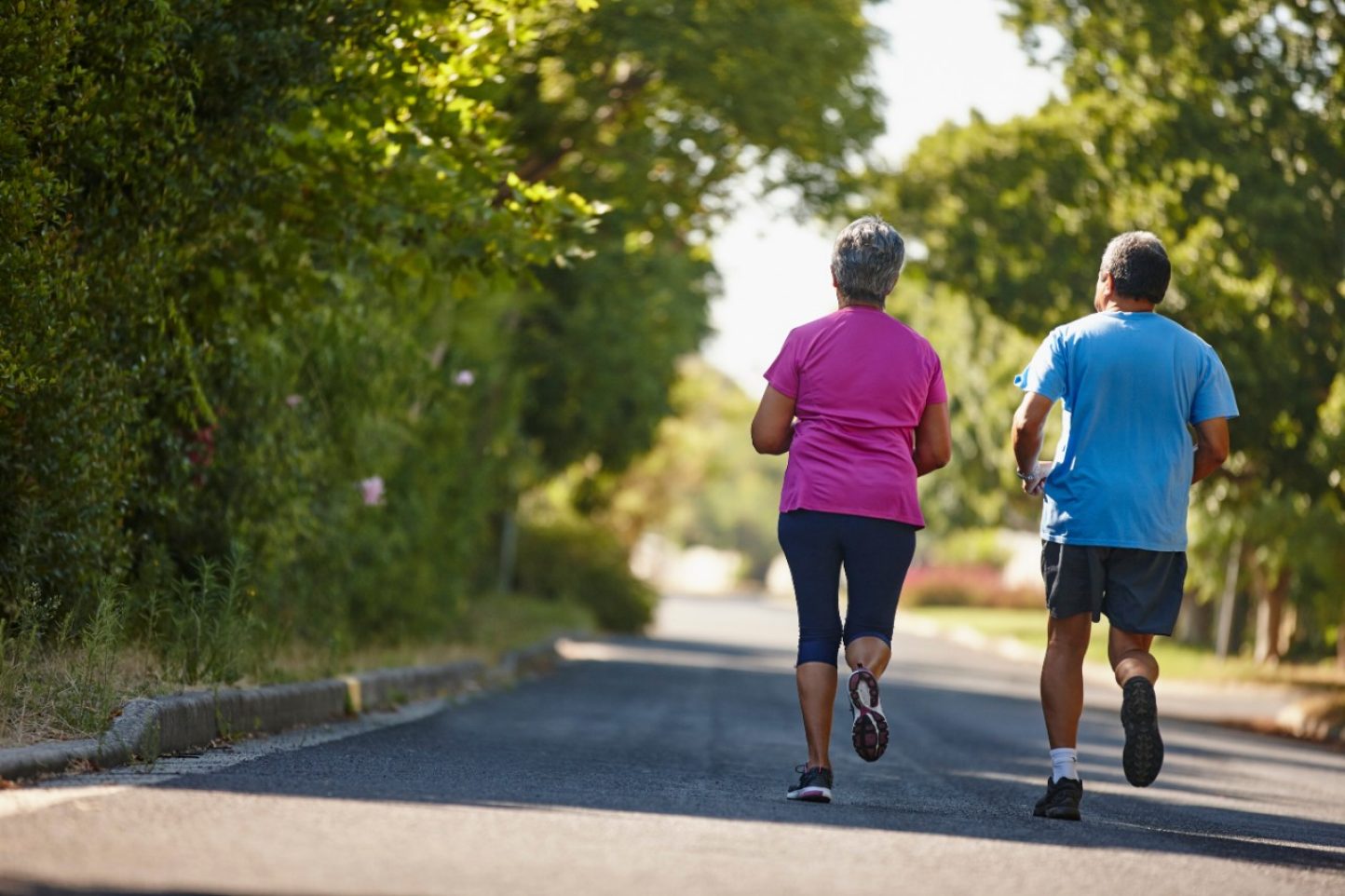
Monday, October 17, 2022

"Worst Habits for Belly Fat"


EATING WHILE DISTRACTED: Instead of scrolling through your smartphone while you snack, pay attention to your meals and savor the flavors. The more mindful you can be while eating, the less likely you are to overeat. Notice your food, chew with care, and be present in your body as you nosh. Your waist will thank you.

EATING TOO FAST: It takes about 20 minutes for your brain to get the message from your stomach that it’s full. If you’re cramming food in too quickly, you’ll keep eating past the point your body needs. Slow eaters take in fewer calories -- and prevent extra pounds.

GETTING POOR SLEEP: In one study, adults under 40 who slept less than 5 hours a night gained more belly fat than those who got more ZZZs. But if you’re sleep-deprived, don’t go overboard to correct it -- sleeping more than 8 hours a night can have the same gut-expanding effect.

EATING LATE: Give your digestive system time to do the work of burning off your meal by eating on the earlier side of the evening. The later you take in calories, the fewer hours your body has to use them up.

EATING WHITE BREAD: The refined grains in white bread and other processed foods are stripped of slow-digesting fiber, so your body digests it faster, raising your blood sugar. Over time, this can lead to weight gain. Choose whole-grain carbs instead.

DRINKING DIET SODA: You may think swapping full-sugar soda for the diet version would keep your calorie count low and therefore curb weight gain. But scientists say that’s not true at all: Aspartame, the artificial sweetener in many diet sodas, actually increases belly fat. Skip soda altogether and quench your thirst with water.

SKIPPING MEALS: Did you know opting out of breakfast makes you 4½ times more likely to be obese? Going without a meal slows down your metabolism, which makes it more probable you’ll overeat later on when you’re hungry.

EATING 'LOW-FAT' OR 'FAT-FREE' FOOD: It’s good to watch your fat intake, but foods that take out fat and sugar can often be higher in carbs. High-carb foods can raise your triglycerides, increase your insulin sensitivity, and increase fat in your midsection.

SMOKING: You already know smoking is terrible for health, but one of the many bad effects of smoking centers on your belly. The more you light up, the more fat you store in your stomach, as opposed to your hips and thighs.

EATING ON A BIG PLATE: Yep, it’s that simple: Put your food on a smaller plate (and use smaller utensils!) and trick your brain into thinking you’re eating more than you are. If you go for the huge platter, you’re more likely to finish it all and eat more than you need.

NOT MOVING ENOUGH: The science is certain: Physical activity is the key to health. Aim for 30 minutes of moderate-intensity movement every day, and your waistline will shrink (and your muscles will grow), even if your weight stays the same.

BEING STRESSED OUT: Stress releases a hormone called cortisol into your body. Higher cortisol levels can lead to weight gain, especially the visceral weight you hold in your belly. Practice regular relaxation techniques, such as deep breathing and meditation, to help keep calm and curb stress levels.

REVIEWED BY: Brunilda Nazario, MD, WebMD, on August 26, 2021

SOURCES:

PLOS One: “Association between Mindfulness and Weight Status in a General Population from the NutriNet-Santé Study.”

Journal of the American Dietetic Association: “Eating slowly led to decreases in energy intake within meals in healthy women.”

Harvard Medical School: “Taking aim at belly fat,” “Abdominal fat and what to do about it.”

Nutrition Reviews: “High-glycemic index foods, hunger, and obesity: is there a connection?”

Journal of the American Geriatrics Society: “Diet Soda Intake Is Associated with Long-Term Increases in Waist Circumference in a Biethnic Cohort of Older Adults: The San Antonio Longitudinal Study of Aging.”

American Journal of Epidemiology: “Energy Intake at Breakfast and Weight Change: Prospective Study of 6,764 Middle-aged Men and Women.”

University of Chicago Medical Center: “Is full-fat food better for you than low-fat or fat-free food?”

The Journal of Nutrition: “A Lower-Carbohydrate, Higher-Fat Diet Reduces Abdominal and Intermuscular Fat and Increases Insulin Sensitivity in Adults at Risk of Type 2 Diabetes.”

Obesity: “Eating Behavior and Obesity at Chinese Buffets.”

Cleveland Clinic: “Want to Lose the Belly Fat?”

Much Love, Dr.Shermaine, #InformativeRead #PleaseShare #HealthyBodySoulAndSpirit #IWantYou2LiveWell #FeelFree2SignUpAndFollow

The Goal is to Always Make You Aware of What Concerns Your Body, Soul and Spirit, So You Can Have Open, Honest and Frequent Discussions With Your Physicians and Counselors. You Can’t Treat or Cure What You Don’t Know is Sick.
 
"It's Not Selfish to Love Yourself, Take Care of Yourself and to Make Your Happiness a Priority. It's a Necessity." (Mandy Hale)

"Self-Care is Not Selfish. You Cannot Serve From an Empty Vessel." (Eleanor Brown)

The contents of the WebMD and Self-Care With Dr. Shermaine Sites, such as text, graphics, images, and other material contained on the WebMD and Self-Care With Dr. Shermaine Sites ("Content") are for informational purposes only. The Content is not intended to be a substitute for professional medical advice, diagnosis, or treatment. Always seek the advice of your physician or other qualified health provider with any questions you may have regarding a medical condition. Never disregard professional medical advice or delay in seeking it because of something you have read on the WebMD and Self-Care With Dr. Shermaine Sites!

If you think you may have a medical emergency, call your doctor or 911 immediately. WebMD and Self-Care With Dr. Shermaine does not recommend or endorse any specific tests, physicians, products, procedures, opinions, or other information that may be mentioned on the Sites. Reliance on any information provided by WebMD, WebMD employees, others appearing on the Site at the invitation of WebMD, and Self-Care With Dr. Shermaine or other visitors to the Sites is solely at your own risk.  


Wednesday, October 12, 2022

"How to Quiet Your Mind?"


BREATHE: We do this all the time, but to use your breathing to find stillness, be more careful and conscious about it. Pay attention to the rhythm. If you take short, quick breaths, try to move toward slower, deeper ones. Put your hand on your belly: You should feel it rise and expand as you draw air in and fall as you let it out. Shoot for about six breaths a minute.

WATCH FISH SWIM: People with home aquariums say they feel calmer, more relaxed, and less stressed when they gaze at their fish, and science backs it up. It isn't just the water, although that alone helps. A study using a tank hundreds of times larger found that the more types of marine life that were added, the happier people got. Heart rates and blood pressures dropped, too.

EXERCISE: Just 5 minutes of aerobic exercise, like a brisk walk, could start to calm your mind. It releases endorphins -- chemicals that make you feel good and can help improve your mood, focus, and sleep. High-intensity interval training (HIIT) can give you a big dose of them in a short time. After warming up, alternate 20- to 30-second bursts of pushing yourself hard (like doing sprints, squats, or fast weightlifting) with equal amounts of rest.

LISTEN TO MUSIC: It literally calms the activity in your brain. Fewer neurons fire in your amygdala (the part of your brain that responds to fear), which may lead to fewer signals sent to other parts of your brain. Music is a good thing to try if you're distracted by pain. Listen closely, not just as background. The more you notice, the less you'll dwell on your other thoughts.

HELP SOMEONE: It lights up parts of your brain that make you feel pleasure and connection. Doing something nice for someone lowers stress and lessens feelings of loneliness. It may even boost your heart health and immune response. Fun fact: When you spend money on other people, your body releases more endorphins (the same chemicals from exercise) than when you spend on yourself.

GO OUTDOORS: Being in and around nature often makes people think more clearly and feel more relaxed and refreshed. Your brain doesn't have to work as hard in a greener environment. In one study, after 20 minutes in a park, children with ADHD were able to concentrate better. Spending time outside can also bring down your heart rate, blood pressure, stress hormones, and even muscle tension.

PROGRESSIVE MUSCLE RELAXATION: Use the connection with your body to soothe your mind. Pick a body part -- foot, leg, mouth, eyes -- and tense it for a few seconds. Then release and relax for 10 seconds or so. Notice how that feels different. Switch to another part and keep going until you've done your whole body. This can also improve sleep and may even ease headaches and stomachaches.

HANG OUT WITH A DOG: Whether it's a member of your family or a therapy dog, a friendly pooch can make you feel less anxious, tense, confused, and restless. When you pet and play with them, it seems to lower levels of stress hormones. One reason could be that your body releases oxytocin, a hormone that plays a role in bonding and trust. (Although not studied as much, cats can calm you, too.)

GUIDED IMAGERY: Think of a favorite spot, real or imagined, that makes you calm and happy: perhaps a beach at sunset, a comfy chair in front of a fireplace, or a stream in the forest. Focus on details. Can you smell pine needles, for example? See bubbles in the water? Hear the gurgle and splashing? There are audio recordings and apps that can help you through this process.

HATHA YOGA: This mix of challenging poses and controlled breathing helps you turn your awareness to being in the present moment instead of judging yourself and others. There's also evidence that a regular practice lessens anxiety and takes the edge off your natural stress response. Plus, it's exercise that builds your strength and flexibility. Go to a class, and you'll get the benefits of socializing with other people, too.

GET CREATIVE: Activities like coloring books, knitting, scrapbooking, and pottery offer an escape for a busy mind. Simple, repetitive actions, especially -- like kneading dough -- can help you redirect your thoughts and tune out the chatter in your head. Let your inner child play! The key is to enjoy the process and not worry so much about the result.

TAKE A BREAK: When you find your mind racing full-speed or spiraling down a rabbit hole, change your focus: stretch, daydream, walk around, get a snack, or chat with a friend. Take at least 5 minutes to recharge and reset. You'll be more centered and clear-headed. If you're going to be working intently, set a timer or use an app to remind you to stop every 90 minutes or so.

DIG IN THE DIRT: It's not just the great outdoors and the exercise at work here. The soil itself has microorganisms that might help you focus and lift your mood. Gardeners are less depressed and anxious, and they feel more connected to their communities.

BIOFEEDBACK: This technique teaches you to control your reactions to stress. Working with a therapist, you're hooked up to a computer that shows your brainwaves. You could track your heart rate, skin temperature, and breathing, too. This lets you see in real time what happens when you're triggered and when you try to counteract it. Over time, you'll figure out how to calm your body's response on your own.

MEDICALLY REVIEWED BY: Stephanie S. Gardner, MD, WebMD on November 04, 2020

SOURCES:

Mindful: "A 5-Minute Breathing Meditation To Cultivate Mindfulness."

Cleveland Clinic: "Exercise: Mind-Body Exercises & Heart Health," "3 Reasons Adult Coloring Can Actually Relax Your Brain."

Seleni: "How can I stop my racing thoughts?"

National Sleep Foundation: "Relaxation Exercises for Falling Asleep."

Psychological Reports: "Benefits, Problems, and Characteristics of Home Aquarium Owners."

Anthrozoös: "Effect of aquariums on electroconvulsive therapy patients."

Marriage & Family Review: "Health, Aquariums, and the Non-Institutionalized Elderly."

BBC: "Aquariums 'deliver significant health benefits.' "

Journal of Environmental Psychology: "Blue space: The importance of water for preference, affect, and restorativeness ratings of natural and built scenes."

WallaceJNichols.org: "The Cognitive Benefits of Being by Water."

Environment and Behavior: "Marine Biota and Psychological Well-Being: A Preliminary Examination of Dose-Response Effects in an Aquarium Setting."

Anxiety and Depression Association of America: "Exercise for Stress and Anxiety."

Mental Health Foundation: "Physical activity and mental health," "Altruism and wellbeing."

American Council on Exercise: "8 Reasons HIIT Workouts are So Effective."

PLOS ONE: "Twelve Weeks of Sprint Interval Training Improves Indices of Cardiometabolic Health Similar to Traditional Endurance Training despite a Five-Fold Lower Exercise Volume and Time Commitment."

American Journal of Public Health: "The Connection Between Art, Healing, and Public Health: A Review of Current Literature."

The Dana Foundation: "The Amygdala: The Body’s Alarm Circuit."

British Journal of General Practice: "Music: a better alternative than pain?"

Mind: "How could relaxation help me?"

MentalHelp.net: "Socialization And Altruistic Acts As Stress Relief."

Berkeley Wellness: "The Benefits of Giving."

Ecotherapy -- the green agenda for mental health, Mind, 2007.

Peacock, J. The mental health benefits of green exercise activities and green care, Mind week report, February 2007.

Frontiers in Psychology: "The great outdoors? Exploring the mental health benefits of natural environments," "Psychosocial and Psychophysiological Effects of Human-Animal Interactions: The Possible Role of Oxytocin."

Journal of Attention Disorders: "Children With Attention Deficits Concentrate Better After Walk in the Park."

University of Minnesota, Taking Charge of your Health & Wellbeing: "How Does Nature Impact Our Wellbeing?"

Heart.org: "Spend Time in Nature to Reduce Stress and Anxiety."

AnxietyCanada: "How to do Progressive Muscle Relaxation."

Hormone Health Network: "What is Oxytocin?"

DIVERSEability: "Cats Make Great Therapy Animals."

Anxiety Canada Youth: "Visualizations: Mental Vacations."

Harvard Health Publishing: "Yoga -- Benefits Beyond the Mat," "Yoga for anxiety and depression."

National Center for Complementary and Integrative Health: "Yoga: In Depth," "Relaxation Techniques for Health."

Mayo Clinic: "Depression and anxiety: Exercise eases symptoms."

Harvard Business Review: "Quick and Easy Ways to Quiet Your Mind."

National Wildlife Federation: "It’s in the dirt! Bacteria in soil may make us happier, smarter."

Preventive Medicine Reports: "Gardening is beneficial for health: A meta-analysis."

Journal of Health Psychology: "Gardening promotes neuroendocrine and affective restoration from stress."

Mental Health in Family Medicine: "Biofeedback in medicine: who, when, why and how?"

Much Love, Dr.Shermaine, #InformativeRead #PleaseShare #HealthyBodySoulAndSpirit #IWantYou2LiveWell #FeelFree2SignUpAndFollow

The Goal is to Always Make You Aware of What Concerns Your Body, Soul and Spirit, So You Can Have Open, Honest and Frequent Discussions With Your Physicians and Counselors. You Can’t Treat or Cure What You Don’t Know is Sick.
 
"It's Not Selfish to Love Yourself, Take Care of Yourself and to Make Your Happiness a Priority. It's a Necessity." (Mandy Hale)

"Self-Care is Not Selfish. You Cannot Serve From an Empty Vessel." (Eleanor Brown)

The contents of the WebMD and Self-Care With Dr. Shermaine Sites, such as text, graphics, images, and other material contained on the WebMD and Self-Care With Dr. Shermaine Sites ("Content") are for informational purposes only. The Content is not intended to be a substitute for professional medical advice, diagnosis, or treatment. Always seek the advice of your physician or other qualified health provider with any questions you may have regarding a medical condition. Never disregard professional medical advice or delay in seeking it because of something you have read on the WebMD and Self-Care With Dr. Shermaine Sites!

If you think you may have a medical emergency, call your doctor or 911 immediately. WebMD and Self-Care With Dr. Shermaine does not recommend or endorse any specific tests, physicians, products, procedures, opinions, or other information that may be mentioned on the Sites. Reliance on any information provided by WebMD, WebMD employees, others appearing on the Site at the invitation of WebMD, and Self-Care With Dr. Shermaine or other visitors to the Sites is solely at your own risk.
 

Wednesday, September 28, 2022

"The Ups and Downs of Being Disconnected"


You brought your computer home from work “for 2 weeks” in March 2020 and stayed home for 2 years. Schools went virtual. Club meetings got canceled. Gyms closed. Friends and family became off-limits. Remember avoiding other people on the street? It’s gotten better since the outbreak, but we’ve remained in relative isolation far longer than expected. And that’s a little sad – and bad for us. Turns out avoiding a virus can harm your health, because togetherness and connection are foundations of our well-being. “We as humans are engineered by evolution to crave contact with other humans,” says Richard B. Slatcher, PhD, a professor of psychology at the University of Georgia. “This has been called the ‘need to belong,’ and it’s up there as a basic need with food and water.” Makes sense: Primitive humans who banded with others were more likely to find food, protect each other, and survive to pass along their genes, he says.

When we were suddenly thrust into isolation in 2020, social ties were already fraying. The book Bowling Alone came out 2 decades earlier. Author Robert D. Putnam lamented the decline in “social capital,” the value we get from connections and our sense of community support. The Atlantic ran a story called "Why You Never See Your Friends Anymore" months before any of us heard of COVID-19. The pandemic sped up those feelings of isolation. Even after getting vaccinated and boosted, many of us feel we’re not connecting as we would like. And for some, politics has deepened that divide.

Should we care? Yes, say the experts. Social relationships are strongly linked to health and longevity. A famous study published in 2010 in PLOS Medicine concluded that social connections were as important to health as not smoking and more impactful than exercise. That review, which drew on data from 148 studies, found that people with stronger social relationships were 50% more likely to survive over the 7.5-year follow-up (that is, not die from such causes as cancer or heart disease), compared to those with weaker ties. Evidence continues to come in. The American Heart Association published a statement this August saying social isolation and loneliness are associated with a 30% increased risk of heart attack and stroke.

“Given the prevalence of social disconnectedness across the U.S., the public health impact is quite significant,” Crystal Wiley Cené, MD, chair of the group that wrote the statement, said in a news release. The organization said data supports what we suspected: Isolation and loneliness have increased during the pandemic, especially among adults ages 18 to 25, older adults, women, and low-income people.

YOUR SHRINKING CIRCLE

In the first year of the pandemic, there was a slight uptick in loneliness and psychological distress and a slight decrease in life satisfaction, according to a 2022 study in the Journal of Epidemiology & Community Health. For about 1 in 4 people, social circles shrank, says study author Emily Long, PhD, “even after lockdown restrictions were eased.” When your circle shrinks, you tend to keep those closest to you – the people who probably are most like you. You lose the diversity in opinion and point of view that you might get chatting with someone in your pickleball league, say, or even a stranger. “Our exposure to diverse people, lifestyles, and opinions dropped significantly,” says Long. Many of us have seen ties with others weaken or sever altogether over disagreements about COVID restrictions and vaccinations. This happened with acquaintances, once-close pals, or family members as their views on hot-button topics came to the forefront – topics we may have avoided in the past to keep the peace. Some of these relationships may not be rebuilt, Long says, though it’s too early to say.

HOW TO MAKE BETTER CONNECTIONS ONLINE

Many of us jumped online for our social interaction. Did Zoom and Instagram and Facebook help us connect? Sure, in a way. “It might be more difficult at times, but people can establish meaningful relationships without being physically close,” says John Caughlin, PhD, head of the Communication Department at the University of Illinois Urbana-Champaign, who studies “computer-mediated communication.” It all depends on how you use it. Late-night “doom scrolling” is not relationship-building. But you can forge new or stronger connections via social media if you’re “treating each other as people,” he says. Here’s one way: Don’t tap a lazy “like” on a post, but instead leave a thoughtful comment that adds value to the conversation. Maybe chime in with your experience or offer words of support. Give a restaurant recommendation if they’re traveling. But remember that social media became a minefield during the pandemic, Caughlin says. People blasted out their views on staying home, vaccinations, and masks. You quickly learned who shared your views and rethought your relationship with others. It’s tempting to view social media as a scourge. But that may just be our inherent panic-button reaction to newish technology, Caughlin says. Surprisingly, overall research – and there has been a lot – has shown that social media has little impact on well-being, he says. A recent meta-analysis from Stanford University on 226 studies from 2006 to 2018 looked for a link between social media use and well-being. What they found: zero. Some studies show a link between social media and anxiety and depression, true, but that may be because those who have depression or anxiety are more likely to spend more time on social media as a way to distract themselves.

MAKE SOMEONE HAPPY, INCLUDING YOU

Does this sound familiar? You tend to keep up with friends as a social media voyeur rather than, say, calling, texting, or meeting face-to-face. If that sounds like you, you’re not alone. But if you reverse course and start reaching out again, it’s likely that both you and the other person will benefit. New research from the American Psychological Association on nearly 6,000 people found that when someone reaches out to us – even if it’s with a quick text – we deeply appreciate it. The study was not only about the pandemic, but researchers say that the results could help people rebuild relationships, especially if they’re not confident about trying. At the same time, Slatcher, the Georgia professor, notes that more screen time “is not the solution” to loneliness or separation. “All the work out there has shown that social media use isn’t associated with people being happier or less depressed,” he says. According to Slatcher, the two key parts of building and maintaining relationships are:

  • Self-disclosure, which means sharing something about yourself or being vulnerable by letting others know personal information.
  • Responsiveness, which simply means reacting to what someone is saying, asking follow-up questions, and maybe gently sharing something about yourself, too, without taking over the conversation.

These happen in person all the time. On social media, not so much.

“Both men and women feel happier when they feel emotionally close with another person, and that’s more difficult to do online,” Slatcher says. Turns out the strongest connections – those best for your well-being – happen when you put the phone down. 

A SURPRISING BRIGHT SPOT IN PANDEMIC CONNECTION

We felt more divided than ever during the pandemic, something affirmed by Pew research. By some measures, Americans have the lowest levels of social trust since World War II, says Frederick J. Riley, executive director of Weave: The Social Fabric Project at The Aspen Institute. If neighbors within a community don’t trust each other, they can’t trust society at large. But it’s not all bad news. Researchers have seen connections within communities get stronger during the pandemic, Riley says. These are the people who run errands for elderly neighbors, donate supplies and clothes, set up family-friendly meetups, build community gardens, and more. The “we’re all in this together” mindset arose early in the pandemic, Long and colleagues found. A meta-analysis in 2022 in Psychological Bulletin found that there’s been more cooperation among strangers. This may be due to greater urbanization or living alone – distance from our close-knit crew forces some to cooperate with others when they wouldn’t otherwise. This, too, is healthy: A sense of belonging in your community, or “neighborhood cohesion,” as a 2020 study from Canadian researchers points out, has been linked to a lower risk of strokes, heart attacks, and early death. It also helps with mental health. You can tap into this by, say, volunteering at your child’s school, attending religious services, joining a fitness group, or going to festivals in your city. These deliver a sense of identity, higher self-esteem, and can lower stress and make you feel less lonely, the study authors say. It also fosters a sense that we can make meaningful change in our towns. Certainly, we’ve all been arguing a lot these days – gun control, abortion, politics. Riley says deeper issues, such as a sense of community safety and creating a better place for kids to grow up, help us transcend these hot-button issues. Sharing goals brings people together, he says, and that’s fueled by that innate urge for connection and togetherness. “I am really optimistic for what the future will hold,” he says. “We’ve been in this place [of social distrust] before, and it’s the people in local communities showing that anyone can stand up and make the place they live in better.”

BY: Jessica Migala, WebMD, September 16, 2022

SOURCES:

Richard B. Slatcher, PhD, professor of psychology, University of Georgia.

Emily Long, PhD, research fellow, Social and Public Health Sciences Unit, University of Glasgow.

John Caughlin, PhD, Communication Department chief, University of Illinois Urbana-Champaign.

Frederick J. Riley, executive director, Weave: The Social Fabric Project, The Aspen Institute.

Much Love, Dr.Shermaine, #InformativeRead #PleaseShare #HealthyBodySoulAndSpirit #IWantYou2LiveWell #FeelFree2SignUpAndFollow

The Goal is to Always Make You Aware of What Concerns Your Body, Soul and Spirit, So You Can Have Open, Honest and Frequent Discussions With Your Physicians and Counselors. You Can’t Treat or Cure What You Don’t Know is Sick.
 
"It's Not Selfish to Love Yourself, Take Care of Yourself and to Make Your Happiness a Priority. It's a Necessity." (Mandy Hale)

"Self-Care is Not Selfish. You Cannot Serve From an Empty Vessel." (Eleanor Brown)

The contents of the WebMD and Self-Care With Dr. Shermaine Sites, such as text, graphics, images, and other material contained on the WebMD and Self-Care With Dr. Shermaine Sites ("Content") are for informational purposes only. The Content is not intended to be a substitute for professional medical advice, diagnosis, or treatment. Always seek the advice of your physician or other qualified health provider with any questions you may have regarding a medical condition. Never disregard professional medical advice or delay in seeking it because of something you have read on the WebMD and Self-Care With Dr. Shermaine Sites!

If you think you may have a medical emergency, call your doctor or 911 immediately. WebMD and Self-Care With Dr. Shermaine does not recommend or endorse any specific tests, physicians, products, procedures, opinions, or other information that may be mentioned on the Sites. Reliance on any information provided by WebMD, WebMD employees, others appearing on the Site at the invitation of WebMD, and Self-Care With Dr. Shermaine or other visitors to the Sites is solely at your own risk.  

Friday, September 9, 2022

"Best and Worst Late-Night Snacks for Your Health"


WORST: LEFT OVER PIZZA - It might look tempting, but anything that’s too greasy can cause heartburn, especially if you lie down soon after indulging. A snack that has fewer than 200 calories is a much safer bet.

BEST: HALF A TURKEY SANDWICH - When you want something to fill you up, half a sandwich on whole wheat bread is a good pick. Your body digests whole grains more slowly so you'll feel satisfied longer. And turkey has tryptophan, an amino acid that helps to make you sleepy. If you're not into turkey, try peanut or almond butter on whole wheat toast. Nut butter has healthy fats that raise your levels of serotonin, a feel-good mood chemical that helps you relax.

WORST: BEAN AND CHEESE BURRITO - Chowing down on something fatty and spicy isn't a great idea close to bedtime. Not only could you end up with heartburn, but you might also have lots of uncomfortable gas thanks to the beans (which would be a healthy add-in earlier in the evening).

BEST: WHOLE-GRAIN CRACKERS WITH CHEESE - If you're craving something cheesy, try a small amount with a few whole-grain crackers. Or go for a scoop of cottage cheese, which also has tryptophan.

WORST: CHIPS - The fat and salt are a bad combo, especially as bedtime nears. Plus, it’s easy to have too many, so what starts out as a small treat could turn into a binge that's bad for your mood and your waistline.

BEST: POPCORN - As long as it's not drenched in butter or super salty, popcorn's a pretty good choice. It's a whole grain and it has fiber, so it’ll be more satisfying than chips and tide you over for longer.

WORST: COOKIES AND CHOCOLATE - Too much sugar will perk you up -- at least for a bit -- when you should be slowing down. Plus, a sugar high is often followed by a crash that can leave you feeling lousy.

BEST: A LOW-SUGAR GRANOLA BAR - This can be a good stand-in for a cookie, as long as you check the nutrition label. Make sure your bar has some protein and fiber and not too much sugar. Or reach for half a banana and a handful of almonds -- both good sources of magnesium, a mineral that can help you wind down. This fruit and nut combo has some tryptophan, too.

WORST: ICE-CREAM - Ben and Jerry might be calling your name but try to resist. The fat and sugar can make it harder to snooze. And if you choose a flavor with chocolate, you'll get caffeine you don't want at a late hour.

BEST: GREEK YOGURT - When you want a creamy treat, protein-packed Greek yogurt is a better idea. Top it with some cherries or raspberries, which have melatonin, a hormone that helps lull you into dreamland.

WORST: SUGARY CEREAL - It's loaded with empty carbs, so it won't satisfy you for long. If you're in the mood for cereal, swap your fruity, frosty, or coco flakes for a low-sugar, high-fiber variety.

BEST: OATMEAL - It's not just for breakfast. The warmth can be soothing, and the fiber will help fill you up. Oatmeal also has melatonin, which promotes sleep.

WORST: SODA - You probably know to stay away from coffee in the wee hours but watch out for tea and soda with caffeine as well. Try to cut off all caffeine at least 6 hours before bedtime. And carbonated drinks can be a problem even if they're caffeine-free. The bubbles can make you feel bloated and trigger heartburn. A nightcap isn't a good idea, either. While alcohol can make you feel sleepy, it can also make it harder to stay asleep.

BEST: HERBAL TEA - A cup of herbal (caffeine-free) tea can help you unwind before bed. Try chamomile, passionflower, or valerian. Peppermint can be a relaxing choice, too, as long as you don’t tend to get heartburn.

AVOID MINDLESS MUNCHING: If you find yourself craving something while watching late-night TV, pause and ask yourself if you're really hungry. Maybe you're just bored, restless, or ready to turn in for the night? But if you are truly hungry, don't ignore your body's signals: It's hard to fall asleep when your tummy's rumbling or your blood sugar is low. Choosing the right nighttime snack may help you fall asleep faster and sleep more soundly.

THINK SMALL AND SATISFYING: Even if you feel ravenous, don't overdo it. Going to bed with a too-full stomach can lead to heartburn and bloating, which will make it much harder to rest. Instead, aim for a "mini meal," ideally one that has a little protein and some complex carbs.

REVIEWED BY: Christine Mikstas, RD, LD, WebMD, on September 08, 2020

SOURCES:

Cleveland Clinic: "4 Late-Night Snacks that Wreck Your Diet (and Sleep)."

MIT Medical: "Late-Night Eating."

National Sleep Foundation: "Beverages to Avoid to Sleep Soundly While Traveling;" "Food and Drink that Promote a Good Night's Sleep;" "Foods for a Good Night's Sleep;" "Food and Sleep," “Sweet Dreams: How Sugar Impacts Your Sleep.”

UPMC Health Beat: "Is Eating Before Bed Okay?"

Much Love, Dr.Shermaine, #InformativeRead #PleaseShare #HealthyBodySoulAndSpirit #IWantYou2LiveWell #FeelFree2SignUpAndFollow

The Goal is to Always Make You Aware of What Concerns Your Body, Soul and Spirit, So You Can Have Open, Honest and Frequent Discussions With Your Physicians and Counselors. You Can’t Treat or Cure What You Don’t Know is Sick.
 
"It's Not Selfish to Love Yourself, Take Care of Yourself and to Make Your Happiness a Priority. It's a Necessity." (Mandy Hale)

"Self-Care is Not Selfish. You Cannot Serve From an Empty Vessel." (Eleanor Brown)

The contents of the WebMD and Self-Care With Dr. Shermaine Sites, such as text, graphics, images, and other material contained on the WebMD and Self-Care With Dr. Shermaine Sites ("Content") are for informational purposes only. The Content is not intended to be a substitute for professional medical advice, diagnosis, or treatment. Always seek the advice of your physician or other qualified health provider with any questions you may have regarding a medical condition. Never disregard professional medical advice or delay in seeking it because of something you have read on the WebMD and Self-Care With Dr. Shermaine Sites!

If you think you may have a medical emergency, call your doctor or 911 immediately. WebMD and Self-Care With Dr. Shermaine does not recommend or endorse any specific tests, physicians, products, procedures, opinions, or other information that may be mentioned on the Sites. Reliance on any information provided by WebMD, WebMD employees, others appearing on the Site at the invitation of WebMD, and Self-Care With Dr. Shermaine or other visitors to the Sites is solely at your own risk.  

"13 Ways to Use Apple Cider Vinegar That Will Change Your Life!"

    Of all the well-touted natural health remedies that exist today, very few are followed quite as religiously as taking a tablespoon or tw...